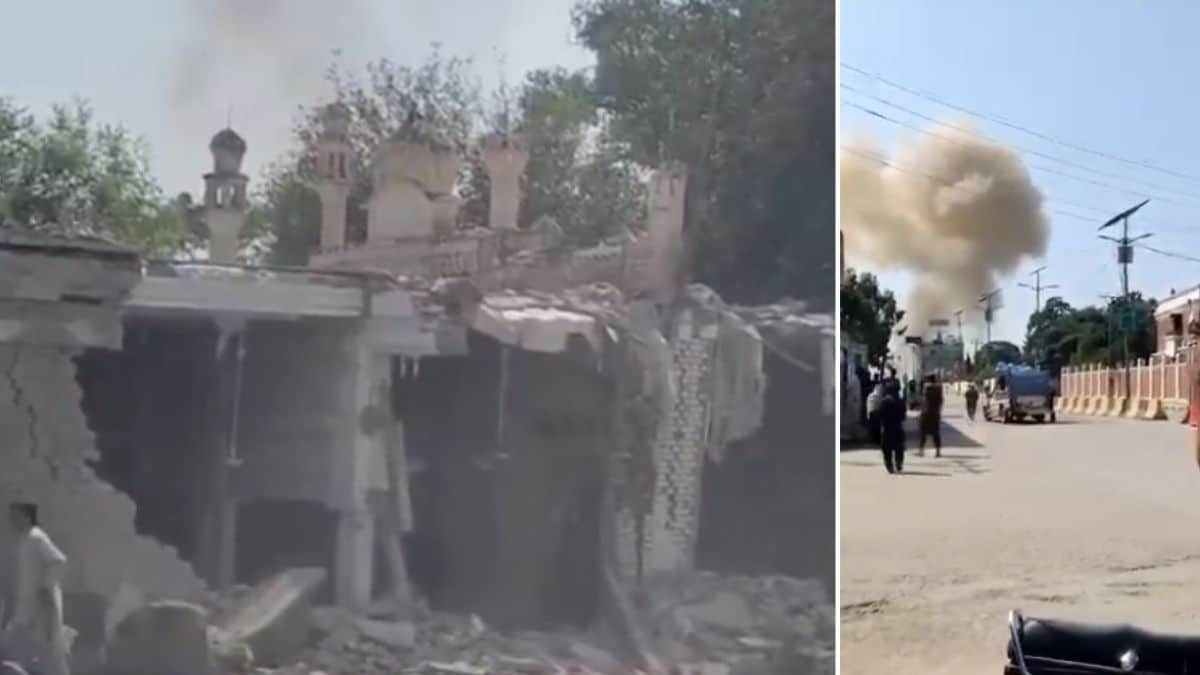
Security failures in northwest Pakistan hit a grim new milestone when a coordinated assault tore through the Kohat Police Lines. Friday prayers inside a heavily fortified compound turned into chaos when an explosives-laden vehicle breached the gate. At least 16 people died instantly in the initial blast, shattering any illusion that enclosed government facilities remain safe havens during active insurgency spikes.
Inside the Kohat Compound Assault
The operation wasn't a simple drive-by bombing. It was a multi-phased tactical strike that exploited the predictable rhythms of a security installation. At roughly 13:15 local time, a suicide bomber rammed a car packed with high explosives directly into the entrance of the mosque located within the Old Police Lines.
Worshippers gathered for Friday prayers included both law enforcement personnel and civilian employees. The timing maximized casualties among the Counter Terrorism Department and local police elite forces who routinely operate out of the facility.
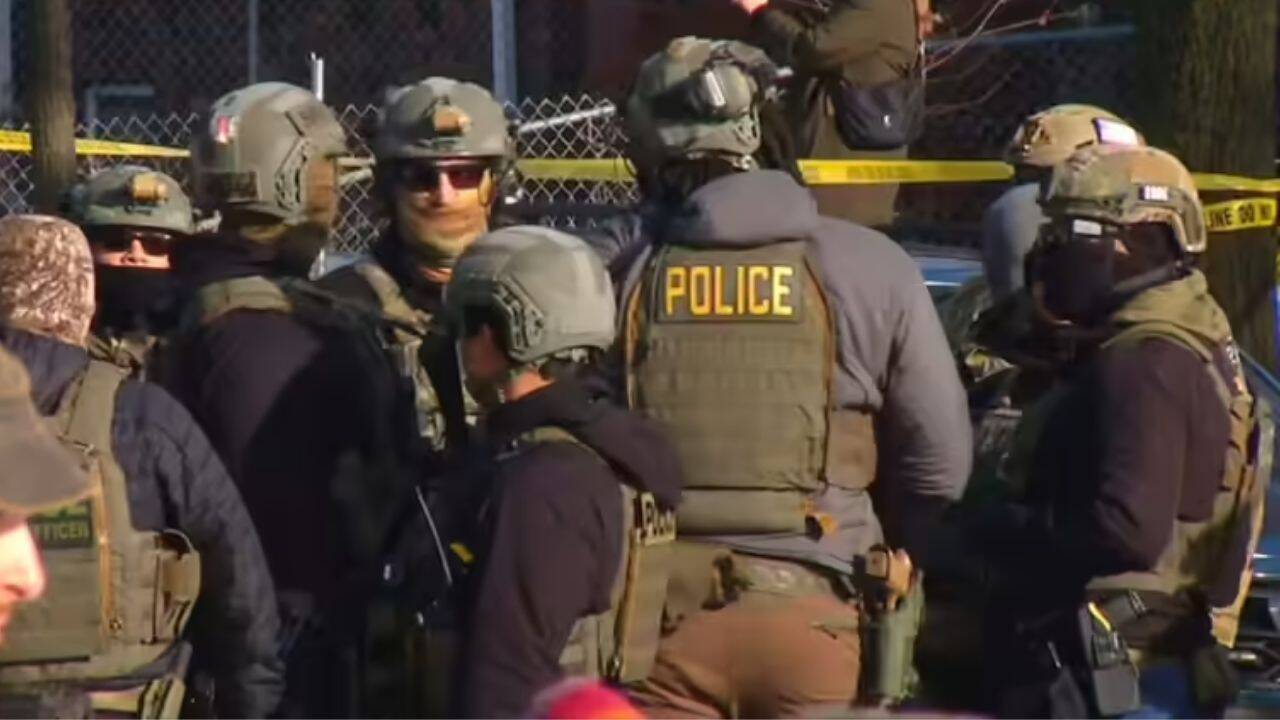
Following the initial vehicle detonation, heavily armed militants poured into the complex. Equipped with hand grenades and automatic weapons, they occupied the Special Branch building. A second suicide bomber triggered an explosive vest during the ensuing firefight, stretching emergency response teams to their absolute limits.
The Rising Tide of Khyber Pakhtunkhwa Violence
Khyber Pakhtunkhwa isn't a stranger to militant activity, but the sophistication of the Kohat raid highlights a worsening security deficit. Border regions near Afghanistan have seen a steep escalation in targeted ambushes against police posts, district courts, and military patrols.
Responsibility for the carnage was tied to Ittehad-ul-Mujahideen Pakistan, a coalition of militant factions formed to consolidate operational reach in the rugged borderlands. When local police posts and administrative courts face simultaneous probing attacks, the strain on provincial defense structures becomes unsustainable.
Local hospitals in Kohat, including the DHQ Hospital and Liaqat Memorial Hospital, were quickly overwhelmed as the casualty count climbed past fifty, and eventually over a hundred injured. Critical patients required immediate emergency interventions, turning administrative corridors into triage zones.
Broader Strategic Fallout
The attack triggered immediate retaliatory air strikes and prolonged joint clearance operations involving the Pakistan Army and elite provincial units. Utilizing drone surveillance, security forces engaged entrenched combatants over a twenty-two-hour siege before clearing the complex.
Yet, kinetic responses miss the deeper administrative rot. When compounds housing elite counter-terrorism personnel can be breached by a vehicle-borne improvised explosive device during congregational prayers, intelligence sharing and perimeter defense protocols require a complete overhaul.
Islamabad routinely points fingers across the border, blaming safe havens in neighboring Afghan territory for harboring the architects of these raids. Kabul rejects those claims, framing the violence as an internal governance and security crisis. Meanwhile, local officers on the ground bear the brunt of the intelligence failures.
Fixing this dynamic demands more than temporary curfews and emergency court closures. Until police infrastructure receives genuine reinforcement and intelligence networks penetrate local insurgent cells before they strike, compounds like Kohat will remain sitting ducks.
16 Killed, Over 30 Injured In Suicide Attack In Kohat
This video provides on-the-ground news coverage and visual context regarding the casualties and emergency response following the Kohat Police Lines bombing.