The era of the untouchable Australian television star officially died this week. When Nine Entertainment announced that Karl Stefanovic was exiting the Today show with immediate effect, it wasn't just another casual media firing. It was a massive collision between old-school broadcast rules and the unfiltered wilderness of independent podcasting.
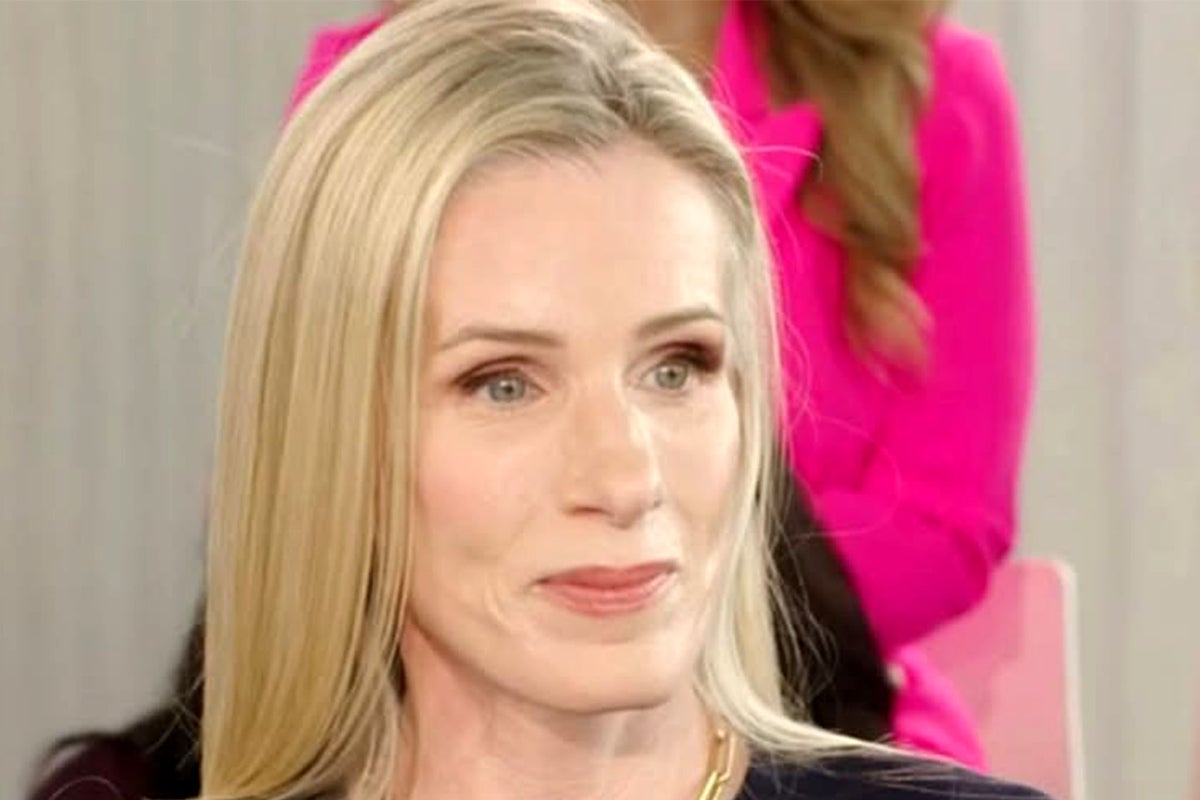
You probably know the backstory by now. Stefanovic sat down with British far-right figure Tommy Robinson for an episode of his independent venture, The Karl Stefanovic Show. He walked side-by-side with Robinson, praised his tenacity and courage, and even agreed with a crude description of the UK Prime Minister. Within hours, the internet exploded. Advertisers threatened boycotts. Nine executives panicked in crisis meetings. By Friday morning, co-host Sarah Abo was fighting back tears on live TV while announcing that Karl was gone. Expanding on this idea, you can find more in: Inside the Oscar Voting Crisis Nobody is Talking About.
Stefanovic immediately hit back with a YouTube video declaring himself free and truly independent, wrapping his defense in the flag of freedom of speech. He told his followers that the public deserves to hear different perspectives, whether they wind people up or not. But let's look past the corporate press releases and the standard freedom of speech talking points. This sudden departure reveals a massive shift in how media power works in Australia.
The Myth of the Side Hustle for Network Stars
Mainstream media networks used to turn a blind eye to outside projects if the ratings stayed high. Not anymore. The core issue is that you can't be a friendly, safe-for-breakfast larrikin at 6:00 AM and a provocative, edgy online interviewer at night. Experts at GQ have shared their thoughts on this situation.
Nine made its position clear. A spokesperson noted that it was no longer possible for Stefanovic to host Today at the same time as running his independent podcast. He was already scheduled to leave at the end of the year, but this interview accelerated that timeline to zero.
The corporate reality is simple. Legacy media relies heavily on corporate advertisers who want absolutely nothing to do with polarizing political figures. When campaign groups like MFW started pushing for an ad boycott of Nine immediately after the podcast dropped, Stefanovic became a commercial liability. You can claim independence all you want, but if your side project threatens the flagship show's revenue, the network will drop you.
What Corporate Media Gets Wrong About Free Speech
Following the axing, Nine news executive Fiona Dear sent an internal note to staff claiming that protecting freedom of speech is core to the network. She argued that journalists have an obligation to ask difficult questions and hold people to account.
That sounds great on paper, but it misses what actually happened. Critics didn't blast Stefanovic for simply talking to a controversial figure. They blasted him because he failed to challenge Robinson during the near hour-long discussion. He threw his arm around him. He flattered him.
When prominent media figures confuse a soft, chummy chat with hard journalism, they alienate mainstream audiences. Prime Minister Anthony Albanese pointed this out directly, stating that prominent people in public discourse need to conduct themselves responsibly because words matter. Stefanovic drifted far outside the mainstream debate, and the network decided the brand damage was too high to tolerate.
Where Traditional Broadcasters Go Next
The fall of a 21-year morning TV veteran leaves a massive hole in Australian commercial broadcasting. Audiences are already migrating away from traditional TV toward on-demand audio and video platforms. If you look at the strategy Stefanovic is pursuing, he's building a business model that doesn't rely on network executives approving his guest list.
Other high-profile broadcasters have successfully built massive businesses by catering directly to right-wing or alternative media audiences. They trade the mass reach of free-to-air television for a smaller, highly loyal, and monetizable digital fanbase. Stefanovic admitted on YouTube that he doesn't know exactly what he will do next, but the path is already written. He still has his radio commitments with ARN, though he pulled out of his broadcast with Eddie McGuire right after the firing to let the dust settle.
Legacy networks now face a tough choice. They can either tie their remaining stars to incredibly strict exclusivity contracts that ban independent content creation entirely, or they can watch more talent walk away to build their own digital brands. If you're a media executive today, the risk of a star's personal podcast blowing up your morning show's commercial viability is simply too high. Traditional TV contracts will have to change permanently to survive this shift.