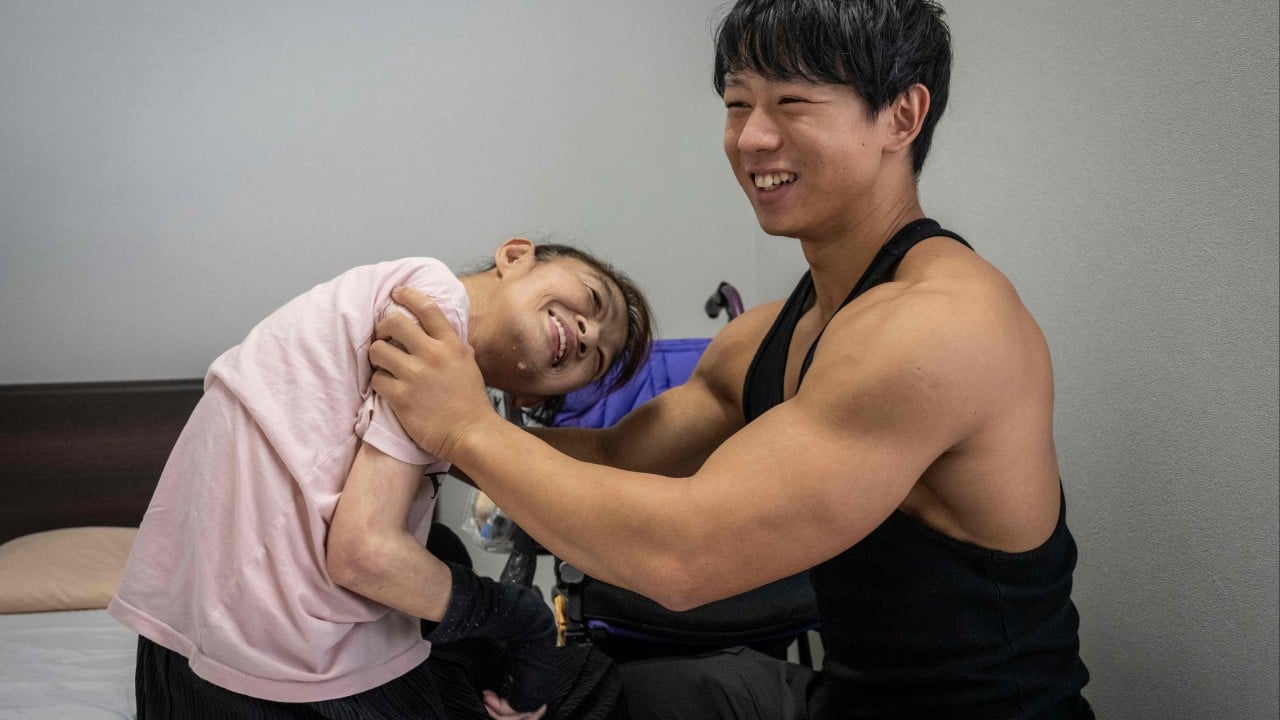
Japan is getting old. Fast. You probably already know that. But you might not know the physical toll this shift takes on the people doing the heavy lifting. I'm talking about the caregivers. The system is buckling under the weight of an unprecedented demographic winter. To keep up, a unique group of fitness enthusiasts and bodybuilders stepped up. They're using their muscle to reinvent elder care.
Let's cut to the chase. The caregiving industry is notorious for low wages and extreme physical burnout. Back injuries are common. Turnover is high. When you're lifting an aging body out of bed multiple times a day, your lower back takes a beating.
What most people get wrong about elder care is assuming it's just about empathy and patience. It's a highly physical job. It requires serious mechanical leverage and physical conditioning. The emergence of the "macho carers" movement in Japan proves this point beautifully. It's not just about looking good at the gym. It's about functional strength used to assist disabled and elderly individuals safely.
The Reality of an Aging Workforce
We're looking at a nation where over thirty percent of the population is sixty-five or older. The Ministry of Health, Labour and Welfare projects that this number will only climb over the next decade. There simply aren't enough young people to take over traditional nursing roles.
I've seen firsthand how grueling this work can be. A standard care facility operates with a skeleton crew. You're constantly bending, lifting, and transferring patients from wheelchairs to beds. Without proper form and muscle mass, you're looking at a career-ending injury within months.
That's where the fitness enthusiasts come in. These caregivers treat their bodies like high-performance machines. They bring gym discipline into the care facility.
How Functional Strength Changes the Game
You don't need to be a competitive bodybuilder to make a difference. But you do need a solid core. You need upper-body strength to perform safe transfers. When you lack muscle, you rely on momentum. Momentum causes accidents for both the caregiver and the patient.
Here's exactly how dedicated fitness enthusiasts transform the care dynamic:
- Injury prevention: They use safe lifting mechanics. They engage their core. This minimizes the risk of falls during transfers.
- Dignity for the patient: Quick, smooth lifts feel secure. The patient doesn't feel like they're being dropped or dragged.
- Reduced caregiver burnout: When your body is conditioned, the physical fatigue drops dramatically. You can maintain a positive attitude during long shifts.
The Broader Cultural Shift
For a long time, caregiving in Japan was viewed as a low-status job. It was underpaid and undervalued. The macho carer movement is changing that perception.
Young men and women are taking pride in their physical capabilities. They show that caregiving is a rigorous profession requiring both brains and brawn. Organizations such as the Care Fitness Trainers Association in Japan actively teach care staff how to combine physical fitness with nursing techniques. It's an intersection of disciplines that makes perfect sense.
Debunking the Stereotypes
Some critics argue that emphasizing physical strength takes away from the emotional and psychological aspects of care. I call nonsense on that.
A caregiver who isn't distracted by lower back pain or physical exhaustion has much more mental energy to devote to their patients. The two go hand in hand. Physical strength acts as an enabler for better, more compassionate care.
Practical Steps for Caregivers
If you're stepping into the caregiving space, don't just jump into the work without preparation. You need to train your body for the demands of the job.
Start with basic resistance training. Focus on the core and lower back. Deadlifts, squats, and farmer's walks build the kind of functional strength you'll use every day.
Next, focus on mobility. You need flexible hips and strong shoulders to navigate tight spaces in private homes or crowded nursing facilities.
Finally, learn proper ergonomics. Never lift with your back. Always use your legs. Consult with occupational therapists to learn the safest transfer techniques.
The care crisis isn't going to fix itself. It takes creative solutions and strong bodies to support an aging generation.