Fresh produce safety has a glaring blind spot. Every few years, a seemingly harmless pepper brings major food chains to a screeching halt.
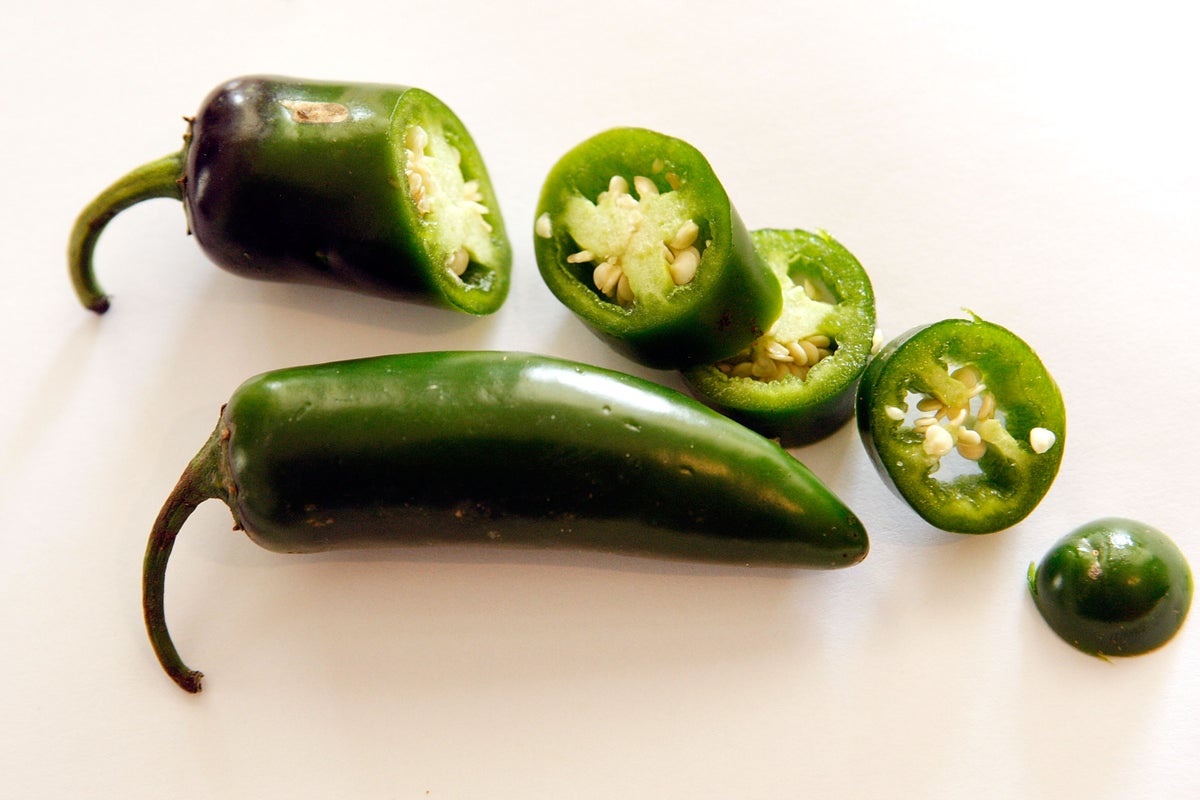
Right now, public health officials are tracking a multistate salmonella outbreak linked directly to imported jalapeño peppers. At least 345 people across 27 states have fallen ill. Thirty-six individuals required hospitalization. No deaths have been reported so far, but the economic and operational fallout for the restaurant industry is entirely real.
If you ate at a popular Mexican-style restaurant chain between mid-June and mid-July, you might understand why federal agencies are sounding alarms.
Tracing the Contamination Back to Sinaloa
The Centers for Disease Control and Prevention alongside the Food and Drug Administration traced the outbreak strain to jalapeños grown in Sinaloa, Mexico. These peppers entered U.S. supply chains through Coast Citrus Distributors.
The numbers tell a clear story of exposure. Investigators interviewed 191 patients early in the tracking process. Out of those, 177 people—about 93 percent—reported eating at a Mexican-style restaurant before getting sick. Major national chains like Chipotle Mexican Grill and Qdoba immediately pulled the affected hot peppers from their recipe rotations once notified.
Minnesota and Colorado bore the brunt of the infections, reporting over 110 cases each. Other impacted states stretch from Alabama and Georgia up to Washington and Wyoming.
Legal fallout has already begun. Some affected diners have filed lawsuits against restaurant chains after suffering severe medical complications, including high fevers and sepsis.
Why Hot Peppers Remain Vulnerable
Produce safety is notoriously difficult to manage. Unlike beef or poultry, which undergo strict cooking kill-steps and intense federal oversight at slaughterhouses, fresh vegetables grow in open fields. They face exposure to wildlife, contaminated irrigation water, and human handlers before ever reaching a packing plant.
Jalapeños present an extra layer of complexity. Once a pepper gets diced into a massive batch of salsa or pico de gallo, identifying the exact ingredient source becomes nearly impossible for an average consumer.
Public health data shows this isn't an isolated incident. Fresh hot peppers and salmonella share a documented history stretching back decades. A massive 2008 outbreak sickened over 1,400 people. Investigators eventually found the outbreak strain in irrigation water on a Mexican farm. When supply chains rely heavily on centralized distribution from international growers, a single contaminated field can quickly seed products across dozens of states.
Protecting Yourself When Outbreaks Hit
Navigating fresh food safety risks requires practical steps. Regulatory bodies rarely catch these issues before people start eating the food. By the time a distributor issues a recall, the contaminated batch has usually cleared out of restaurant kitchens and home refrigerators.
Spotting contaminated produce by eye is impossible. Salmonella doesn't change the smell, color, or taste of a jalapeño.
If you're eating out during an active advisory, skip raw garnishes. Cooked foods pose far fewer risks because high heat destroys foodborne pathogens instantly. Wash your hands thoroughly after handling raw produce at home, and sanitize cutting boards immediately to prevent cross-contamination in your kitchen. Keep an eye on official FDA recall pages if you buy fresh peppers directly from grocery retailers. Stay informed, watch for persistent gastrointestinal symptoms, and seek medical care if a fever or severe cramping hits a few days after eating out.