Winter in the Siberian taiga does not merely arrive; it occupies. The cold presses down with a physical weight, frosting the inside of windowpanes and turning breath into sudden, brittle shards of ice. In a small kitchen in Tomsk, old Pyotr sits by a wood-burning stove, his calloused hands wrapped around a chipped enamel mug of black tea. Outside, the thermometer reads minus thirty-six. Inside, the heat is steady, sustained by a yellow flame dancing quietly behind a cast-iron grate.
Pyotr does not think about geopolitics. He does not track foreign exchange reserves, nor does he parse the dry communiques issued by ministries thousands of miles away in Moscow or Beijing. But his life—and the lives of millions like him—is anchored to a subterranean reality. Deep beneath the frozen mud and the endless stands of larch pine runs a continuous artery of pressurized gas, pulsing eastward.
Now, that artery is about to get a twin.
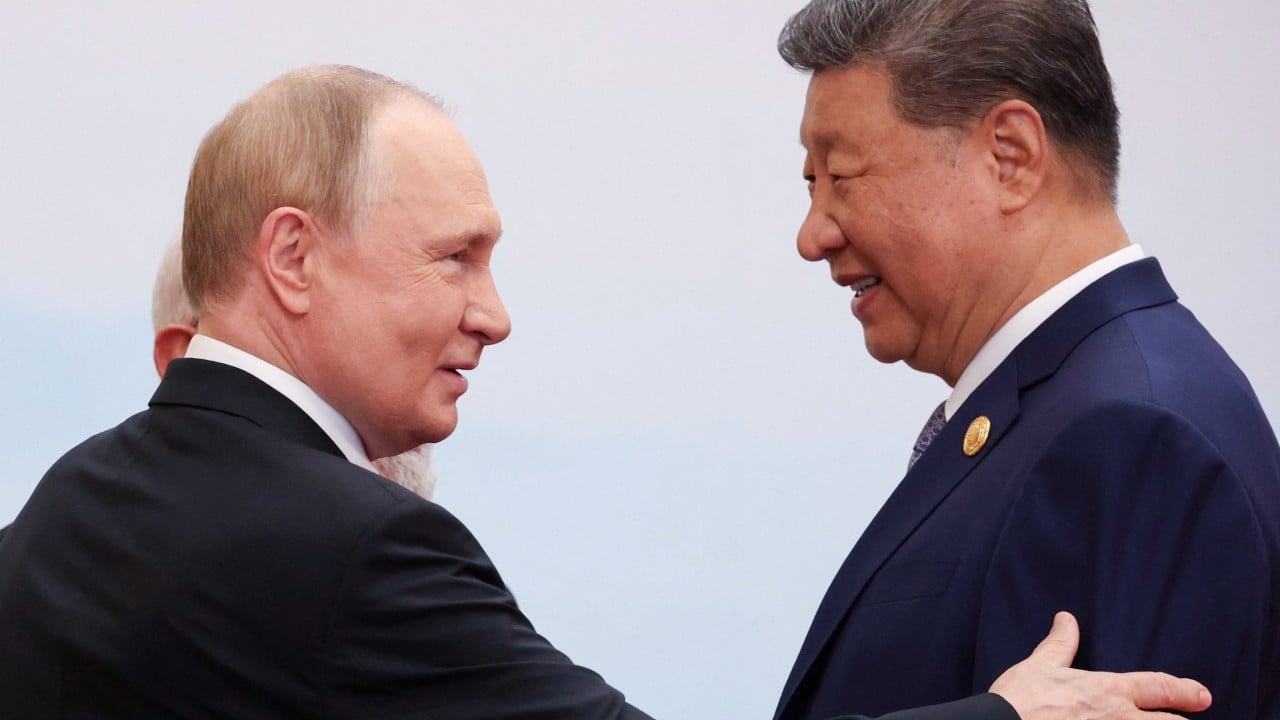
Xi and Putin are scheduled to meet in Bishkek, and at the center of their hurried handshakes and closed-door conferences lies a single, massive undertaking: the Power of Siberia 2 pipeline. (Note: This scenario and the upcoming summit details reflect current diplomatic reports from the Kremlin regarding ongoing energy negotiations.)
To understand why two world leaders are carving a path through thousands of miles of frozen wilderness, you have to look away from the grand halls of power and stare directly into the furnace.
The Geography of Necessity
Pipelines are the quiet giants of the modern world. They do not roar like jet engines or flash like neon tickers on Wall Street. They lie buried, invisible, humming beneath the frost, carrying the invisible blood of industry and survival.
For decades, the energy map of Eurasia pointed one way. Russia pumped its vast natural wealth westward, heating the homes of Berlin, Paris, and Rome. It was a relationship forged during the Cold War, tested by crises, and ultimately bound by the simple laws of geography: fuel sits in the East, mouths and factories wait in the West.
History has a way of violently rewriting maps.
When the Western markets slammed shut following geopolitical convulsions, Moscow faced a stark, unforgiving choice. Leave the gas in the ground to freeze, or turn the valves toward the rising sun. The original Power of Siberia pipeline was the first major pivot, a colossal engineering feat feeding China's insatiable industrial appetite. But it was only a beginning. Power of Siberia 2—often discussed in diplomatic circles as the Altai pipeline project—proposes something far grander. It is designed to pull gas directly from the Yamal Peninsula, the same massive Siberian fields that once supplied Europe, and reroute them straight through Mongolia into northern China.
It is a monumental shift in the center of gravity of global commerce.
The Blueprint and the Barriers
Building a pipeline through the Siberian interior is an exercise in defying nature. Imagine trying to weld steel pipes thick enough to withstand tectonic shifts while standing on permafrost that turns into an impassable swamp every summer. Equipment breaks. Steel shatters like glass under extreme thermal contraction. Workers labor in shifts where skin exposed to the air for sixty seconds risks permanent damage.
Yet, the physical difficulty is only half the puzzle. The real friction is political and economic.
When Xi Jinping and Vladimir Putin sit down in Bishkek, they carry vastly different calculations in their briefheads. For Russia, this pipeline is an economic lifeline, a massive capital funnel that secures a primary buyer for decades to come, replacing the lucrative European revenue streams lost to history. For China, it is an exercise in energy security and strategic diversification. Beijing wants guaranteed supplies, but it also holds immense leverage at the negotiating table. China knows Russia has fewer options now. The pricing formulas, the financing terms, and the sheer geopolitical cost of alignment are all weighed on invisible scales during these summits.
Mongolia, too, waits in the wings. Trapped geographically between two colossal neighbors, Ulaanbaatar stands to transform from a silent transit corridor into a vital hub, collecting transit fees and watching the steel veins cross its pristine grasslands.
The Human Equation
Back in Tomsk, Pyotr throws another split birch log into the stove. The flames crackle, throwing a warm, orange glow across his weathered face. He does not care about export tariffs or bilateral trade surpluses. He cares that his home stays warm, that the local factory keeps its shifts running, and that the country keeps moving forward despite the frost.
Every macro-economic shift eventually trickles down to a kitchen table. The decisions made in Bishkek will dictate whether industrial towns across Siberia thrive or wither. They will determine whether Beijing's bustling manufacturing hubs can keep their turbines spinning without interruption through the next decade.
We often talk about international relations as a game of chess played by cold, unfeeling masters. We analyze gross domestic product and export volumes as if they exist in a vacuum. But behind every meter of welded steel and every signed memorandum of understanding lies the raw, pulsing heartbeat of human survival and ambition.
The iron vein is stretching further east. The frost cannot stop it. And as the leaders shake hands beneath the high-altitude skies of Kyrgyzstan, the invisible engine of the modern world quietly shifts its gears, preparing to pump life through a brand-new path in the snow.