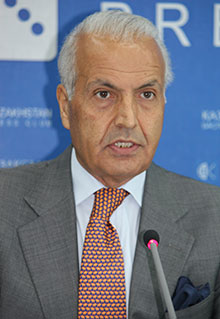
Diplomacy in the Middle East rarely hinges on a single election cycle, yet Tehran just hit the brakes on Washington because of one. Iranian Foreign Minister Abbas Araghchi has publicly stated that Iran has held zero peace talks with the United States since what he described as the "shock" of the American midterm elections. If you're watching global oil markets, regional security, or nuclear non-proliferation, this isn't just another diplomatic jab. It's a calculated freeze.
Let's get straight to the point. Washington analysts love to assume that Tehran is desperate for sanctions relief and will jump at any backchannel olive branch. They're wrong. Araghchi's refusal to engage shows that Iran's leadership views the current US political environment as far too volatile to guarantee any long-term agreement. Why sign a deal today if the political ground in Washington shifts beneath your feet every two years?
What Abbas Araghchi Actually Said About the US Midterms
When Araghchi addressed the lack of dialogue between Tehran and Washington, he didn't mince words. He pointed directly to the aftermath of the US midterm elections as a turning point that stalled any diplomatic momentum. According to Araghchi, there have been no peace negotiations or direct diplomatic breakthroughs since that political "shock" hit the American system.
To understand why a veteran diplomat like Araghchi would use the word "shock," you have to look at his background. Araghchi isn't some hardline outsider shouting slogans from the sidelines. He was Iran's chief nuclear negotiator during the 2015 Joint Comprehensive Plan of Action (JCPOA) talks. He spent years sitting across the table from American officials in Vienna and Geneva. He knows how Washington operates.
When someone with his specific experience calls a US election outcome a shock that halts diplomacy, he's signaling two things to the rest of the world:
- Tehran believes the American domestic political consensus on foreign policy has fractured beyond repair.
- Iran sees no credible partner in Washington capable of delivering on promises without facing immediate domestic sabotage.
Why US Elections Paralyze Middle East Diplomacy
You don't need a doctorate in international relations to see the pattern here. Every two to four years, American foreign policy undergoes a massive stress test. For countries like Iran, negotiating with the United States feels like trying to build a house on a fault line.
Think back to May 2018. The US unilaterally withdrew from the 2015 nuclear deal, reimposing crushing economic sanctions despite international inspectors confirming Iran was complying with the agreement's technical limits. That single decision left permanent scar tissue in Tehran.
Honestly, it completely destroyed the credibility of Iranian moderates who argued that compromising with the West would bring economic prosperity. Hardliners in Tehran got the ultimate "I told you so" moment. Since then, any Iranian official—even a seasoned pragmatist like Araghchi—has to prove they won't fall for the same trap twice.
When the US midterm elections produce sharp political swings or gridlock, Tehran reads it as proof that the White House's hands are tied. Why would Araghchi expend political capital at home to negotiate a truce or a nuclear framework if Congress is going to block sanctions relief anyway? He wouldn't. Nobody in his position would.
The Trap of the Two-Year Political Clock
American presidents operate on a four-year clock, interrupted at the halfway mark by the midterms. Once those midterms happen, the White House immediately pivots toward the next presidential race.
For Tehran, that window is way too narrow. Complex diplomacy—especially involving regional ceasefires, frozen assets, and nuclear oversight—takes years to implement. If an agreement isn't locked in well before the midterm shakeup, it becomes a political football. Araghchi's comments reflect a cold, realistic calculation that the window for meaningful US-Iran engagement slammed shut the moment the midterm results rolled in.
The Broader Regional Context Behind the Silence
It's a mistake to view Araghchi's statement purely through the lens of Washington politics. The Middle East itself is burning through old alliances and deterrence models at breakneck speed.
Over the past couple of years, the shadow war between Iran, Israel, and US forces in the region broke out into direct confrontations. From shipping disruptions in the Red Sea to direct missile exchanges and proxy conflicts across Lebanon, Gaza, Syria, and Iraq, the stakes have never been higher. In this environment, "peace talks" with the US aren't just about centrifuges and enriched uranium anymore. They're about regional survival and deterrence.
Araghchi has spent months traveling across the Middle East—visiting capitals from Beirut and Damascus to Riyadh and Baghdad—trying to build a regional diplomatic firewall. Notice the pattern. Tehran is prioritizing regional diplomacy with its Arab neighbors while keeping Washington at arm's length.
By stating clearly that there are no peace talks with the US, Araghchi is sending a dual message:
- To regional neighbors: Don't expect Washington to broker a grand bargain that settles regional disputes for you. You have to talk directly to Tehran.
- To domestic hardliners: The Foreign Ministry isn't begging the Americans for a meeting behind closed doors.
Misconceptions About Backchannel Diplomacy
Whenever an Iranian official publicly rules out talks with the United States, pundits on cable news immediately chime in with the same lazy take: "They're just posturing. There's definitely a secret backchannel in Oman or Qatar."
Let's clear that up. Indirect message-passing is not the same thing as peace talks.
Yes, intermediaries like Oman, Qatar, and Switzerland routinely pass messages between Washington and Tehran to prevent accidental wars or arrange prisoner swaps. That happens all the time. Passing a note through an Omani diplomat saying "don't strike our bases and we won't strike yours" is basic crisis management. It's de-escalation, not diplomacy.
Araghchi is drawing a sharp line between tactical crisis management and actual peace negotiations. When he says there have been no peace talks since the midterms, he means there is zero active negotiation toward a comprehensive settlement, a new nuclear deal, or a broader regional truce. Confusing a hotline for a peace process is how analysts get blindsided by regional escalations.
What This Diplomatic Freeze Means for Global Markets and Security
If you're tracking geopolitical risk—whether for business, energy markets, or policy analysis—a formal freeze in US-Iran peace talks carries immediate, tangible consequences.
First, forget about near-term sanctions relief. Without active negotiations, Iranian oil exports remain under heavy US legal pressure, even as Tehran continues to move crude through shadow fleets to Asian buyers. Any tightening of enforcement by Washington—especially under a shifting post-midterm political dynamic—could inject instant volatility into Brent crude prices.
Second, nuclear oversight remains in a dangerous gray zone. According to regular quarterly reports from the International Atomic Energy Agency (IAEA), Iran has continued expanding its enrichment capacity and stockpiling uranium enriched up to 60 percent—a short technical step away from weapons-grade levels. Without diplomatic talks, there's no mechanism to cap or roll back that stockpile. The IAEA is left monitoring a program that grows more advanced every month while the diplomatic track sits frozen.
Third, regional proxy groups operate with fewer constraints when Tehran sees no diplomatic upside to holding them back. During periods when serious talks are underway, Iran often pressures allied militias to dial down attacks on US personnel so as not to ruin the negotiating atmosphere. When peace talks are off the table entirely, that incentive vanishes.
How to Read Iranian Diplomatic Signals Going Forward
If you want to stay ahead of the curve instead of reacting to sensationalist headlines, stop listening to anonymous Washington sources claiming a "breakthrough is imminent" and watch what Tehran actually does.
Pay close attention to three specific indicators over the coming months:
- IAEA access levels: Watch whether Tehran grants or restricts visas for senior UN nuclear inspectors. When Iran wants to signal openness to talks, it eases technical friction with the IAEA. When it slams the door, inspector access shrinks.
- Gulf state diplomacy: Track Araghchi's meetings with Saudi, Emirati, and Omani officials. If Gulf leaders suddenly start flying to both Tehran and Washington within the same week, an intermediary push is underway. If those shuttle trips stop, the freeze is holding.
- Rhetoric from the Supreme Leader's office: Araghchi executes foreign policy, but Supreme Leader Ayatollah Ali Khamenei sets the boundaries. When Araghchi's public statements mirror Khamenei's speeches about American untrustworthiness, the policy is locked in stone.
Right now, every single one of those indicators points in the exact same direction. The midterm shock reinforced Tehran's deepest suspicion: Washington cannot be relied upon as a stable negotiating partner. Until the political math changes in either capital, expect cold deterrence, indirect warnings, and zero peace talks.