When rhetoric at the United Nations crosses from standard diplomatic posturing into threats of total destruction, the room changes instantly. That is precisely what happened when U.S. President Donald Trump used his General Assembly address to warn Tehran of outright annihilation, demanding that global powers isolate the country and squeeze its energy exports.
It was a staggering escalation on an international stage already reeling from months of open conflict, trade blockades, and maritime flashpoints in the Strait of Hormuz. But what followed from the Iranian side wasn't the cowed silence Washington expected. It was a direct, unapologetic doubling down.
Stepping Up to the Podium
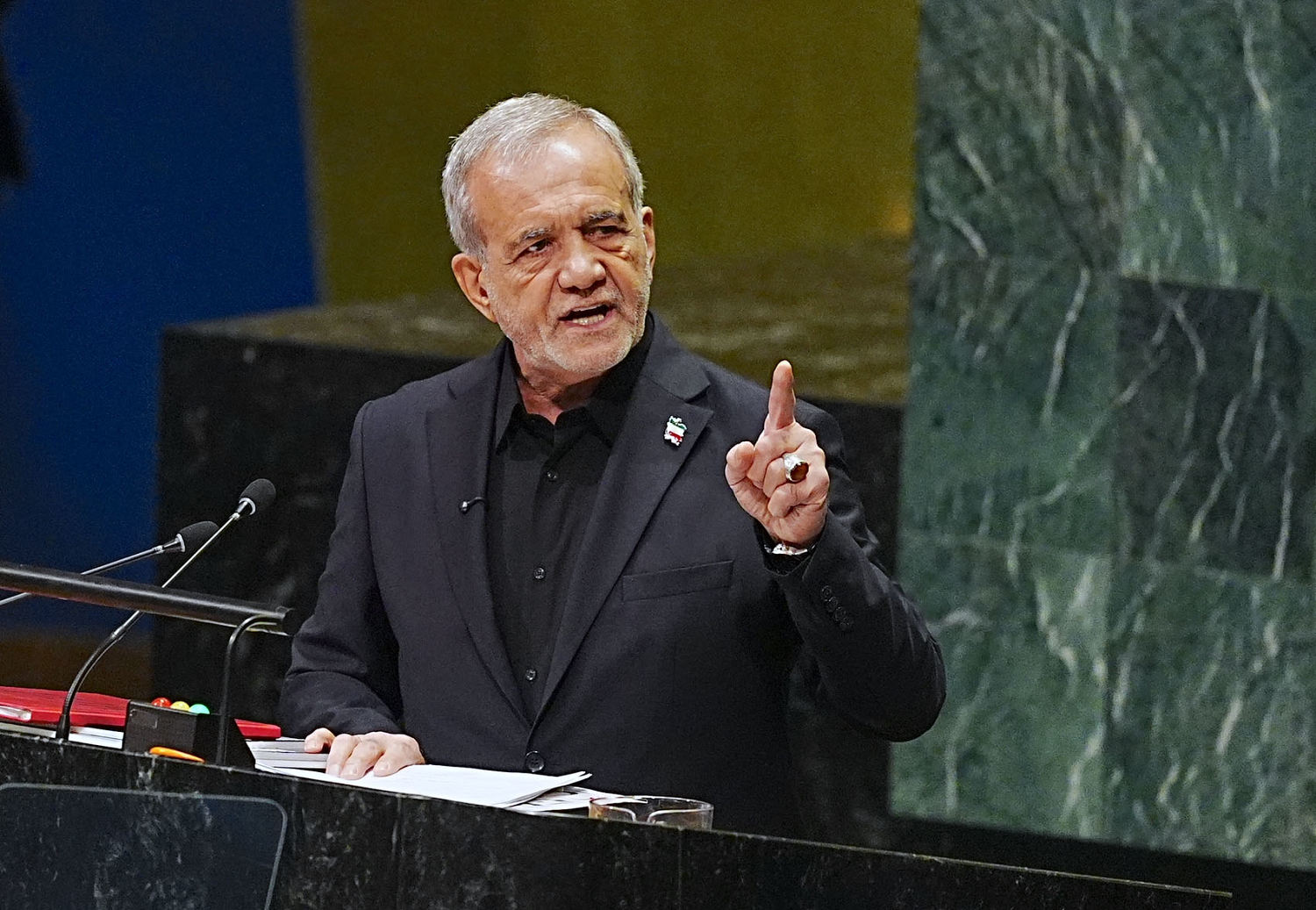
Iranian President Masoud Pezeshkian took to the same global stage and called out his American counterpart by name. Rather than offering conciliatory gestures or signaling a willingness to negotiate under duress, Pezeshkian delivered a clear message: Iran will never bow its head or bend the knee to foreign pressure.
The contrast between the two positions exposes a fundamental miscalculation that keeps recurring in foreign policy. Washington assumes that maximum economic and military pressure will eventually force Tehran to surrender its strategic posture. Tehran, on the other hand, views these ultimatums as an existential assault that leaves no room for capitulation.
During the address, parts of the Iranian delegation walked out in protest, setting a tense baseline for what is supposed to be a forum for conflict resolution. Behind closed doors, lower-level diplomatic channels—including meetings involving U.S. special envoys and Iranian representatives—have sputtered along the sidelines, but the public posture remains locked in a high-stakes standoff.
The Real Cost of Brinkmanship
The confrontation isn't just about dueling speeches in New York. It has immediate, messy consequences for global stability. Energy markets remain jittery as the threat profile around the Strait of Hormuz directly impacts global oil and gas flows. Every time a leader threatens annihilation from a podium, shipping insurance spikes, regional proxies mobilize, and ordinary citizens in the Middle East absorb the human cost of a widening economic squeeze.
Diplomatic analysts often point out that public threats box both sides into corners. When an American president stakes his political brand on forcing total submission, backing down looks like weakness. When an Iranian leader faces explicit threats of regime destruction, compromising looks like national suicide.
Where the Standoff Goes From Here
The underlying reality is simple: coercion without a credible, face-saving off-ramp rarely achieves its stated goals. Tehran's leadership has calculated that resisting out-in-the-open threats plays better domestically than folding to foreign demands. Until Washington and Tehran find a mechanism to talk without starting from a premise of total elimination, these fiery speeches at the U.N. will remain milestones of a deepening crisis rather than steps toward peace.