The world’s most critical maritime chokepoint might soon have a toll booth. Recent reports coming out of Tehran suggest Iranian lawmakers are seriously considering a plan to charge foreign vessels for safe passage through the Strait of Hormuz. It sounds like a shake-down because, in many ways, it is. If you're running a shipping company or tracking global oil prices, this isn't just a minor regulatory change. It’s a geopolitical hand grenade.
The Strait of Hormuz is barely 21 miles wide at its narrowest point. Yet, about 20% of the world's total petroleum consumption flows through this tiny strip of water. Iran knows this. They’ve watched Western sanctions eat away at their economy for years, and now they're looking for a way to flip the script. They claim the fees would cover "security costs" and environmental protection, but let's be real. This is about leverage.
Why the Strait of Hormuz Toll Plan is a Legal Nightmare
International maritime law doesn't exactly favor Iran's plan. The 1982 United Nations Convention on the Law of the Sea (UNCLOS) establishes the right of "transit passage" for ships through international straits. This means vessels have the right to move through quickly and continuously without interference. Iran signed this treaty but never ratified it. They argue that because they aren't a full party to the convention, they aren't bound by its specifics regarding transit passage.
Instead, Iran leans on "innocent passage" rules. These are way more restrictive. Under innocent passage, a coastal state can suspend traffic if it thinks its security is at risk. By moving to charge a fee, Iran is effectively saying that the "security" they provide isn't free. If you don't pay, is your passage still innocent? That's the billion-dollar question.
Western powers, particularly the United States and the United Kingdom, view any attempt to tax these waters as a direct violation of international law. They argue the strait is an international waterway where free navigation is non-negotiable. We've seen this movie before. Every time Iran threatens the strait, the U.S. Fifth Fleet ramps up its presence. Adding a financial layer to this military tension makes the whole situation even more volatile.
The Economic Impact on Your Gas Tank
Don't think for a second that this only affects big oil tankers. If Iran starts charging even a small percentage per barrel, the ripple effect hits everyone. Shipping costs are already high due to global inflation and previous disruptions in the Red Sea. Adding a "Hormuz Tax" would force insurance companies to spike their premiums.
- Oil prices would likely jump 5% to 10% on the mere news of an enforced fee.
- Supply chains for liquified natural gas (LNG) from Qatar would face immediate delays.
- Consumer goods traveling from Asia to Europe might see surcharges.
Think about the math. If a VLCC (Very Large Crude Carrier) carrying two million barrels of oil is hit with a fee, who pays? The shipping line won't eat that cost. They'll pass it to the refinery, the refinery passes it to the distributor, and you pay an extra ten cents a gallon at the pump. It’s a direct tax on global energy consumption.
Security Fees or State Sponsored Ransom
The Iranian Parliament, or Majlis, isn't just dreaming this up in a vacuum. They're looking at the Suez Canal. Egypt makes billions every year from canal tolls. Iran sees that and wonders why they're "policing" the Persian Gulf for free. They've spent decades building a navy of fast-attack boats and coastal missile batteries. In their eyes, they're the ones keeping the peace, so they want a paycheck.
The problem is that "security" provided by Iran is often what the rest of the world is trying to stay secure from. We've seen numerous incidents where the Islamic Revolutionary Guard Corps (IRGC) seized tankers under flimsy legal pretexts. Critics argue that a formal toll system is just a legalized version of the ship seizures we’ve seen in the past. It’s basically saying, "Pay us, or we can't guarantee your ship won't be detained for a 'technical inspection'."
The Role of Oman and Regional Tension
Iran doesn't own the whole strait. The shipping lanes actually pass through both Iranian and Omani territorial waters. For this toll plan to work legally or practically, Iran would need Oman to play ball. So far, Muscat has stayed quiet. Oman has a long history of being the "Switzerland of the Middle East," acting as a mediator between Tehran and Washington.
If Iran tries to collect fees unilaterally, they'd have to force ships into their side of the strait. This would create a navigational cluster. Ships would likely hug the Omani coast to avoid the tax, leading to congestion and a massive increase in the risk of collisions. The geography of the strait is tight. There isn't much room for creative steering.
What Happens if a Ship Refuses to Pay
This is where things get ugly. If a Greek or Singaporean-flagged tanker ignores an Iranian invoice, what’s the next move? Iran could use its coastal radars to track "debtor" ships and intercept them on their next voyage. This turns the strait into a giant collection agency backed by cruise missiles.
The international response would be swift and likely military. We’d see an expansion of "Operation Prosperity Guardian" or similar naval coalitions. Escorted convoys would become the norm again, just like during the Tanker War of the 1980s. That era was a disaster for global trade, and nobody—except maybe those looking to spike oil prices for their own gain—wants a sequel.
How Shipping Companies are Bracing for Impact
Smart operators aren't waiting for the first invoice to arrive. They're already looking at alternatives, though there aren't many good ones. You can't just drive around the Strait of Hormuz. It's the only way out of the Persian Gulf by sea.
- Pipeline Diversion: Saudi Arabia and the UAE have pipelines that can bypass the strait, but they don't have the capacity to handle everything.
- Increased Insurance: Risk desk managers are rewriting contracts to include specific "Hormuz Dispute" clauses.
- Slow Steaming: Some companies might reduce speeds to save fuel and offset potential fees, further slowing down the global supply chain.
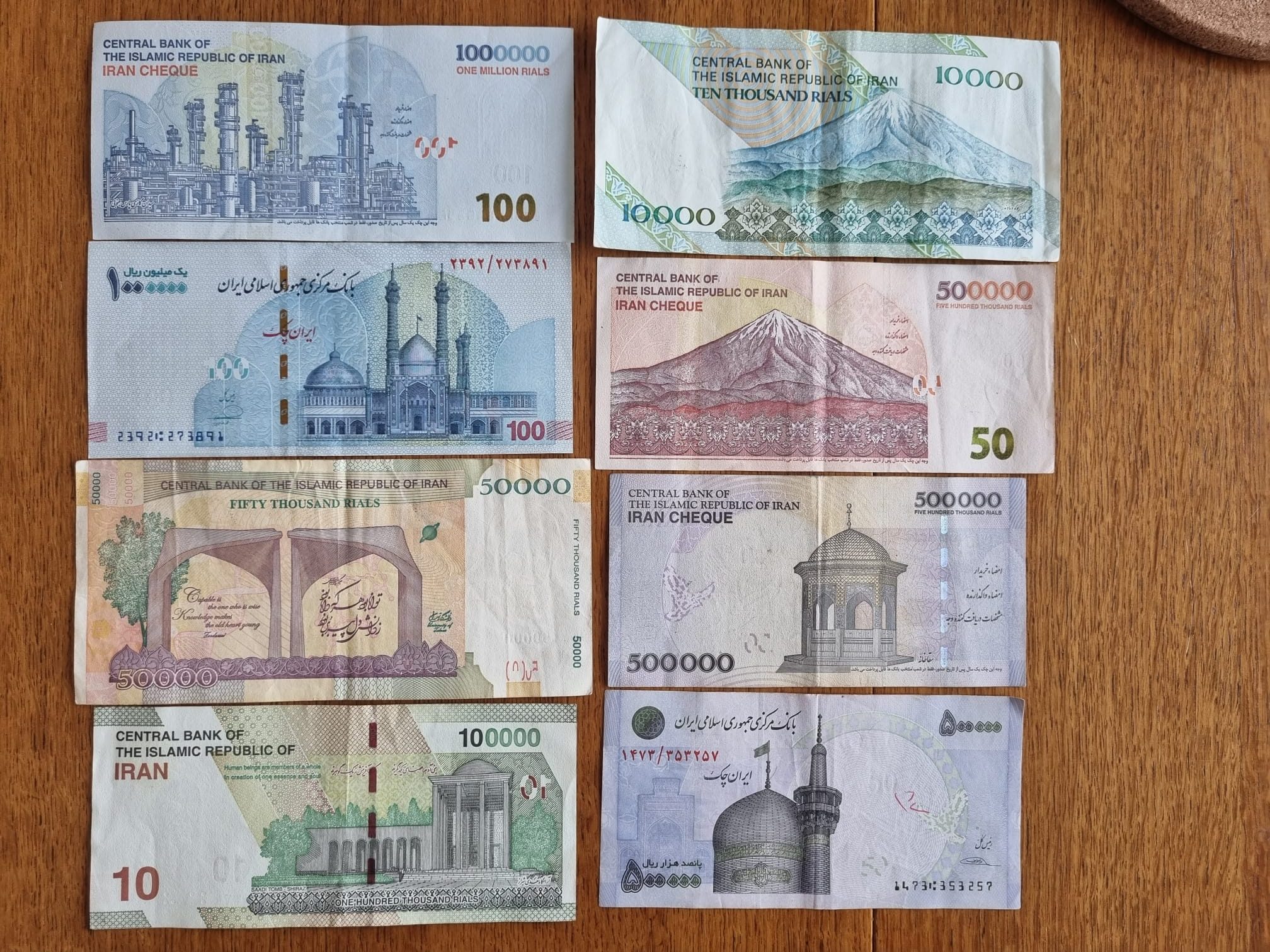
Honestly, the sheer logistics of enforcing a toll in an international strait are a nightmare. You need a massive administrative body, a way to process payments in a sanctioned currency (the Rial is useless), and a way to handle disputes. It’s a mess.
Realities of the Iranian Economy
Iran’s economy is struggling. Hard. Inflation is rampant, and the currency is in the basement. They need hard currency—dollars or euros—to keep the lights on. That’s why this proposal keeps resurfacing in the Majlis. It’s a desperate move by a government that feels backed into a corner by Western sanctions.
But there's a huge difference between proposing a law and enforcing it. Iran knows that actually stopping a US-linked ship for money could trigger a full-scale conflict. They're likely using this report to test the waters. They want to see how the market reacts and what kind of diplomatic pushback they get before they actually try to send an invoice.
Tracking the Next Moves
Keep an eye on the official statements from the Iranian Ministry of Foreign Affairs. If they start echoing the parliament's "toll" talk, the risk level moves from "political theater" to "imminent threat." Shipping companies should be auditing their routes and checking their legal standing under UNCLOS immediately.
You should also watch the price of Brent Crude. If the market starts pricing in this risk, you’ll see it there first. If you’re involved in maritime logistics, now is the time to consult with maritime lawyers about the specific "innocent passage" vs "transit passage" rights of your flagged vessels. Don't wait until a patrol boat is flanking your ship to figure out your legal defense.
Check your current insurance policies for war risk and "seizure and detention" coverage. If your policy has a loophole for "government-mandated fees," you might find yourself paying the Iranian toll out of pocket. The situation is moving fast, and the window for cheap transit through the world's most vital waterway might be closing.