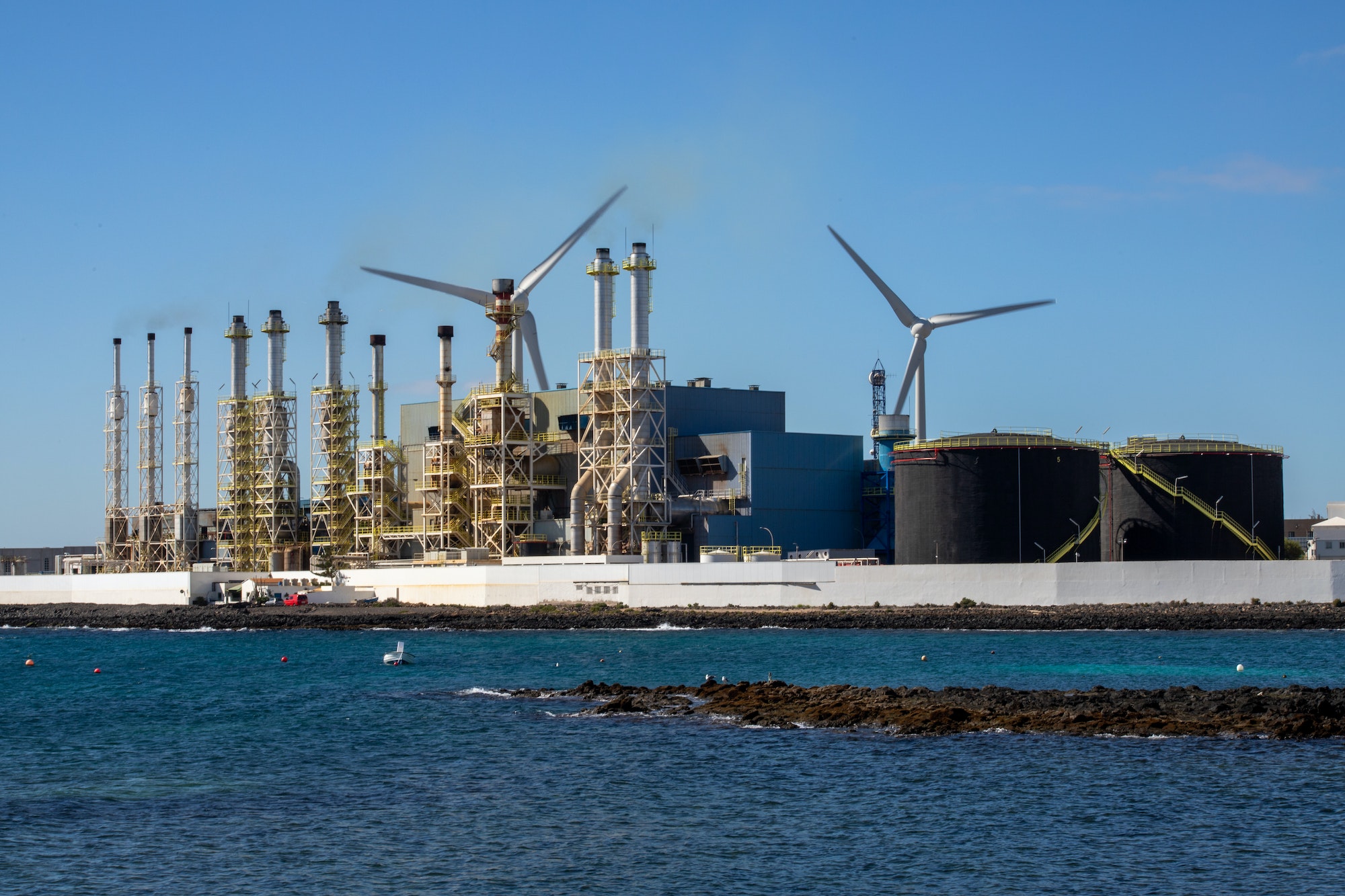
The sky over Tehran isn't dark anymore; it’s a constant, hazy orange from the fires at the oil depots. We’re on day nine of a conflict that’s already shredded the old Middle East playbook. If you’re looking for a quick de-escalation, don’t hold your breath. This isn’t just another exchange of warnings. It’s a full-scale dismantling of the Iranian regime’s military spine, and the smoke rising from the capital's fuel storage facilities tells you exactly how far the US and Israel are willing to go.
Operation Epic Fury, as the US calls it, started with a decapitation strike on February 28 that killed Supreme Leader Ali Khamenei and his top generals. Now, nine days in, the mission has shifted from killing leaders to starving the machine.
The Push for Unconditional Surrender
Donald Trump isn't mincing words. He’s explicitly called for "unconditional surrender." On Saturday, he told reporters he has no timetable. His logic is simple and brutal: keep hitting until there's nothing left to hit. This isn't about bringing Iran back to the negotiating table for a better nuclear deal. That ship sailed when talks failed in February. This is about regime change, plain and simple.
Israel’s Benjamin Netanyahu is singing the same tune. He’s promised "many surprises" for the next phase. What does that mean? Likely a shift from military bases to civil-industrial infrastructure. We already saw it this weekend with the strikes on Tehran’s oil storage. By hitting the fuel that keeps the city running, the coalition is trying to turn the Iranian people against a government that can no longer provide basic stability.
Where the Fighting Stands Today
The technical term for what's happening is "degrading capabilities," but the reality is a mess. Here’s the breakdown of the current chaos:
- Total Air Supremacy: US and Israeli jets are basically flying wherever they want. They’ve knocked out about 200 air defense systems. If you’re in an Iranian cockpit, you’re basically a sitting duck.
- The Oil War: The strike on the Tehran oil facility is a massive escalation. It’s the first time "civilian" industrial sites have been targeted. In response, Iran tried to hit the Haifa refinery in Israel. They missed, but the intent was clear.
- Regional Blowback: Iran isn't just taking hits; it's lashing out at everyone nearby. The UAE was swarmed by 117 drones and 17 ballistic missiles on Sunday alone. Most were intercepted, but the sheer volume is terrifying for the Gulf states.
- The Leadership Vacuum: Iran’s Assembly of Experts claims they’ve picked a new Supreme Leader, but they haven't named him yet. Why? Because Israel warned it would kill whoever takes the job. It's hard to lead when your job description is "primary target."
The Human Cost Most People Miss
The numbers coming out of Iran are grim. State media says over 1,200 people are dead. Independent groups like ACLED suggest it’s over 2,400. There’s a lot of talk about "precision strikes," but precision doesn't mean perfect. A girls' primary school in Minab was leveled on day one, killing around 170 children. The US says it's investigating; Trump blames Iranian "inaccuracy." Either way, the blood is in the sand.
Inside Iran, the internet is mostly dark. People are hiding in their homes while Reapers circle overhead. It’s a psychological war as much as a kinetic one. The goal is to make the Iranian public feel like their government is powerless. It seems to be working, but it’s also creating a massive humanitarian disaster that nobody’s ready to fix.
Why This Isn't Ending Soon
I've seen people online asking when the "ceasefire" starts. Honestly, there is no ceasefire coming. The US has two aircraft carrier groups—the USS Abraham Lincoln and the USS Gerald R. Ford—parked in the region. They’re stocked for a long fight. Plus, the UK just gave the green light for the US to use bases in Cyprus and Diego Garcia, unlocking the heavy bomber fleets. B-52s and B-1s carry four times the payload of a standard fighter. You don't bring those in for a weekend skirmish.
Iran is in a corner. Their allies are weakened—Assad is gone in Syria, and Hezbollah is being battered in Lebanon. Their only move left is to try and close the Strait of Hormuz or cause enough chaos in the global oil market to make the West flinch. So far, the US Navy has kept the shipping lanes open, sinking several Iranian warships in the process.
What You Should Watch For Next
Forget the diplomatic statements at the UN. They’re just noise. If you want to know where this is going, watch the infrastructure. If we see more strikes on power plants or water treatment facilities, the goal isn't just to stop the military; it's to collapse the state.
Also, keep an eye on the "Successor" announcement. If the Assembly of Experts actually names a name, expect an immediate and violent response from the IAF. The coalition's strategy is to prevent any new leadership from "coalescing" around the interim figure, Ali Larijani.
If you're in the region or have family there, don't wait for "official" evacuation orders that might never come. Commercial flights are a mess, and the airspace is a combat zone. Movement toward the Turkish or Iraqi borders is increasing, though Ankara has already warned Tehran not to let the fighting spill over.
The most immediate thing you can do is stay informed through multiple sources. Don't trust the "everything is fine" narrative from Tehran, and don't buy the "surgical precision" line from Washington. War is messy, and on day nine, it’s only getting messier.