The headlines are screaming about a "deadlock." Tehran says no. Trump says "soon." The mainstream media treats these statements like immutable laws of physics. They aren't. They are opening bids in a high-stakes liquidation sale where both sides are pretending they don’t want to buy.
If you believe the official "ruling out" of a ceasefire, you are falling for the oldest trick in the diplomatic playbook. Iran isn't walking away from the table; they are simply trying to make sure the table doesn't collapse under the weight of American expectations before they even sit down.
The Myth of the Hardline Stance
Standard reporting suggests that Iran’s refusal to engage in a ceasefire is a sign of ideological purity or brewing escalation. That’s a fundamental misunderstanding of how the Islamic Republic survives. Iran is a master of "strategic patience"—a polite term for waiting until the other guy’s domestic political clock runs out.
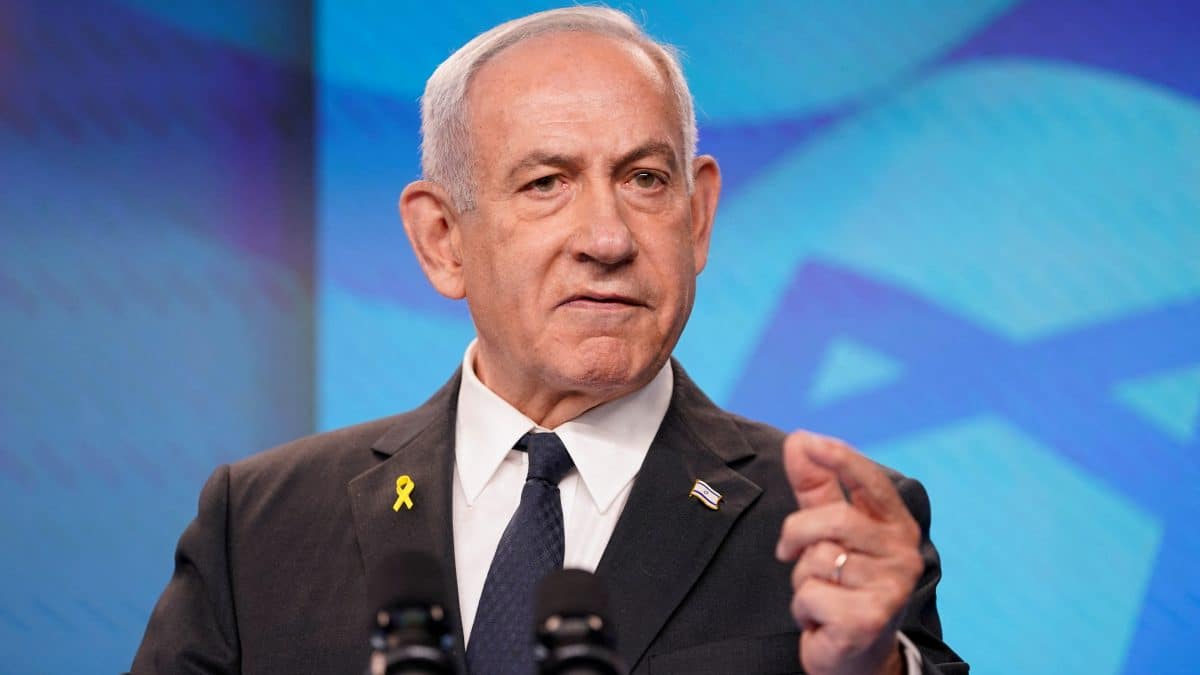
When a spokesperson "rules out" a deal, they are talking to two audiences. First, the domestic hardliners who view any concession as a betrayal of the 1979 revolution. Second, the global oil markets.
In reality, the Iranian economy is screaming for air. Inflation is rampant, the rial is a ghost of its former value, and the "Shadow Fleet" of tankers moving sanctioned oil is becoming increasingly expensive to maintain. They need a deal. They just can't look like they need one.
Trump’s "Soon" is a Market Signal, Not a Calendar Date
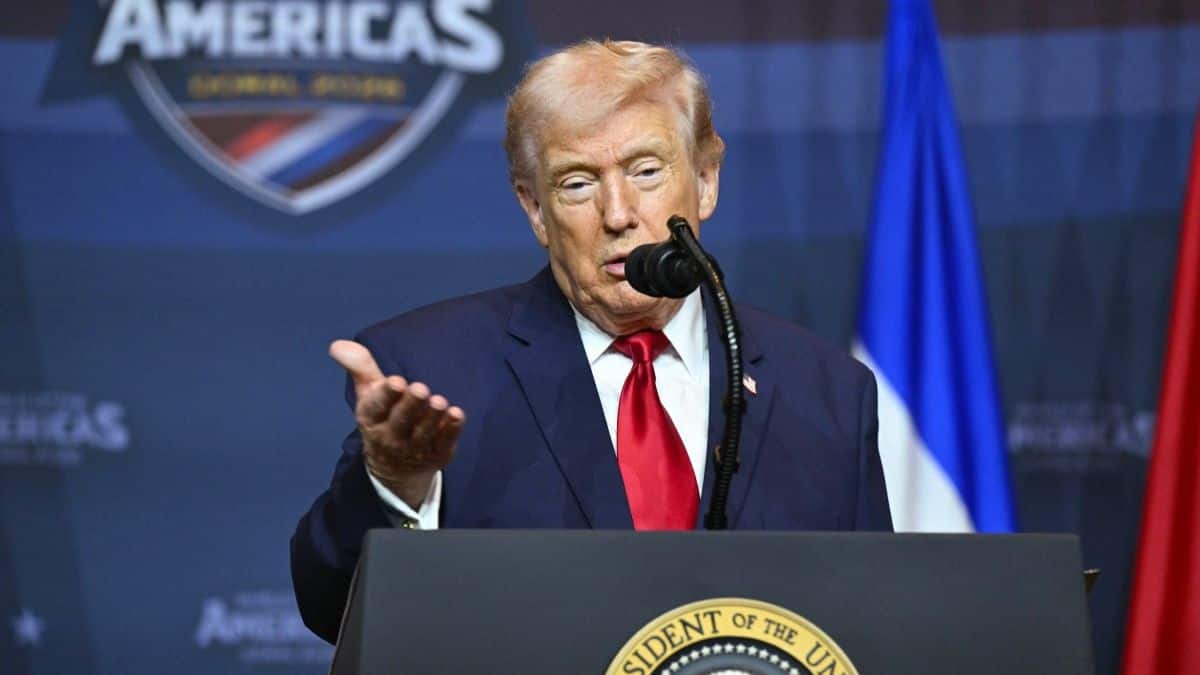
On the other side, we have the assertion that the war will be over "soon." Critics call this delusional or grandstanding. It’s actually a classic business tactic: anchoring.
By setting an aggressive, almost impossible timeline, the U.S. administration shifts the entire range of negotiation. If I tell you a house will sell "tomorrow," and it sells in three months, I’ve still moved the needle faster than if I’d said "eventually."
"Soon" isn't a chronological promise. It’s a threat. It tells the Iranian leadership that the window for a favorable exit is closing. It signals to investors that the risk premium on Middle Eastern energy might be lower than the charts suggest.
The Liquidity Trap of Diplomacy
Most analysts look at this through the lens of "security" or "human rights." That is a mistake. This is about balance sheets.
The Cost of No-Deal
- Insurance Premiums: Shipping in the Strait of Hormuz isn't just dangerous; it's expensive. Lloyd’s of London doesn't care about rhetoric; they care about hull risk.
- The Yuan Pivot: Iran has been forced into a corner where they sell to China at a massive discount. They hate this. It strips them of agency and makes them a vassal state to Beijing’s energy needs.
- Internal Stability: You can't eat "resistance." Eventually, the street protests return.
The "lazy consensus" says these two sides are too far apart to bridge the gap. I’ve seen boards of directors say the same thing during hostile takeovers, right before they sign the merger papers at 3:00 AM.
The gap isn't a canyon; it's a gap in optics.
Deconstructing the "Ceasefire" Definition
When the media talks about a ceasefire, they think of a signed piece of paper with a Nobel Prize ceremony. That’s 20th-century thinking.
In the modern era, ceasefires are "de facto," not "de jure." They look like:
- A sudden, unexplained drop in drone shipments.
- A "technical glitch" in a nuclear enrichment facility that slows production.
- A quiet easing of enforcement on specific oil tankers.
Neither side wants a formal treaty. Treaties require Senate ratification or Parliamentary approval. They require accountability. What both sides actually want is a "gentleman’s agreement" to stop punching each other in the face while they fix their respective domestic disasters.
The Logic of the Pivot
Imagine a scenario where the U.S. offers a "limited waiver" for specific humanitarian goods in exchange for a "pause" in regional proxy activity. Iran "rules out" the ceasefire but accepts the waiver. To the public, the war continues. To the accountants, the tension has eased.
This isn't a failure of diplomacy. It is the highest form of it.
The danger in the current reporting is the assumption that words reflect intent. In the Middle East, words are used to hide intent. When Tehran says "never," they mean "not at this price." When Washington says "soon," they mean "we are increasing the pressure until you break."
The Real Power Broker Nobody Mentions
While we watch the ping-pong match between Washington and Tehran, we ignore the UAE and Saudi Arabia. These states have spent the last three years de-risking their own portfolios. They have re-established ties with Iran because they realized that the U.S. security umbrella has holes.
The "status quo" analysts think the U.S. is the only driver here. It isn't. The regional shift toward a "Business First" Middle East is the real reason a deal is inevitable. Riyadh wants to build NEOM; they can't do that if Houthi missiles are flying overhead. Tehran needs foreign investment; they can't get that while they are an international pariah.
Why You Should Bet Against the "Eternal War" Narrative
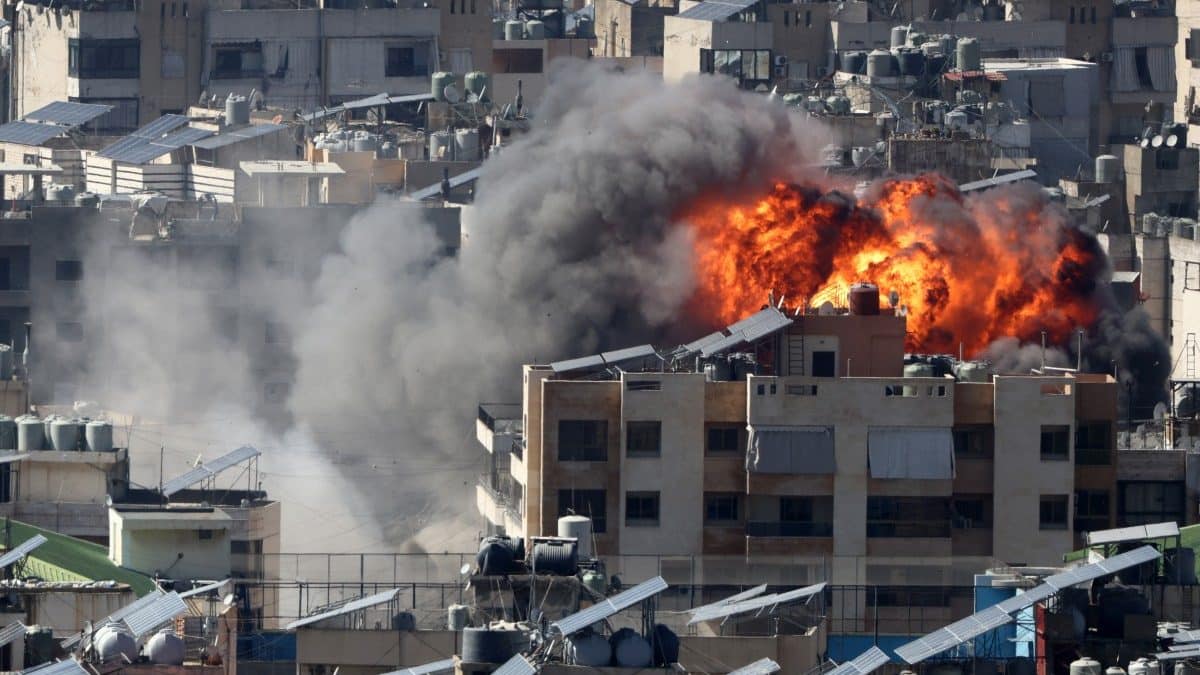
The consensus is that we are on the brink of a regional conflagration. The data suggests otherwise.
- Trade Volumes: Despite sanctions, regional trade is quietly ticking up.
- Backchannel Frequency: Swiss and Omani diplomats are the busiest people in the world right now. You don't fly to Muscat for the weather; you go to trade secrets.
- Energy Transition: Every day this conflict drags on, the world gets faster at figuring out how to live without Iranian (and eventually, Middle Eastern) oil. Both sides know they are fighting over a shrinking pie.
The "ruling out" of a ceasefire is the noise. The economic necessity of a stand-down is the signal.
Stop Asking "If" and Start Asking "How Much"
The premise of the question "Will there be a ceasefire?" is flawed. We are already in a state of managed conflict. The real question is: what is the price for the U.S. to stop the "Maximum Pressure" 2.0 and what is the price for Iran to stop its regional expansion?
It’s a valuation exercise.
Iran is currently overvalued in its rhetoric and undervalued in its actual leverage. The U.S. is trading on historical brand strength while facing a domestic debt crisis that makes long-term foreign wars a fiscal impossibility.
The next time you see a headline about Iran "rejecting" peace, check the price of Brent Crude. If it doesn't spike, the market knows what I know: the bark is a lot louder than the bite.
Stop reading the statements. Watch the money. The money says a deal is already being drafted in a room where the cameras aren't allowed.
The war isn't over "soon" because of a change of heart. It ends because neither side can afford the bill anymore.
Pay attention to the quietest room in the building. That's where the real map is being drawn.