It starts with a meal.
Perhaps it is a crisp green salad on a Tuesday afternoon, washed hurriedly under the kitchen tap. Perhaps it is a restaurant meal shared with friends, the fresh garnish sprinkled across the plate as a bright, harmless touch of color. You taste the crunch. You notice nothing unusual.
Days pass. Then, the quiet shift begins.
A sudden, persistent cramp. A wave of exhaustion that sleep refuses to fix. Nausea that rolls in like a tide, staying far longer than it should.
For most people, food is comfort, fuel, and routine. We rarely pause to think about the invisible web of logistics that brings a leaf of basil or a sprig of cilantro from a distant field straight to our forks. We trust the process. We assume safety.
Yet, beneath that everyday assumption lies a fragile ecosystem. When things break down, the consequences are stark, real, and deeply personal.
Consider what happened in Michigan.
Reports emerged of the first United States deaths linked to a multi-state outbreak of cyclosporiasis. Words like "multi-state outbreak" sound clinical, distant, and abstract when read on a screen. They read like statistics on a spreadsheet, neatly organized rows that keep us safely detached from the reality behind them.
Reality is rarely neat.
Cyclosporiasis is caused by Cyclospora cayetanensis, a microscopic parasite. You cannot see it. You cannot smell it. It leaves no obvious trace on the vibrant green produce it calls home. Once ingested, this single-celled invader makes its way into the human digestive system, setting up camp in the small intestine.
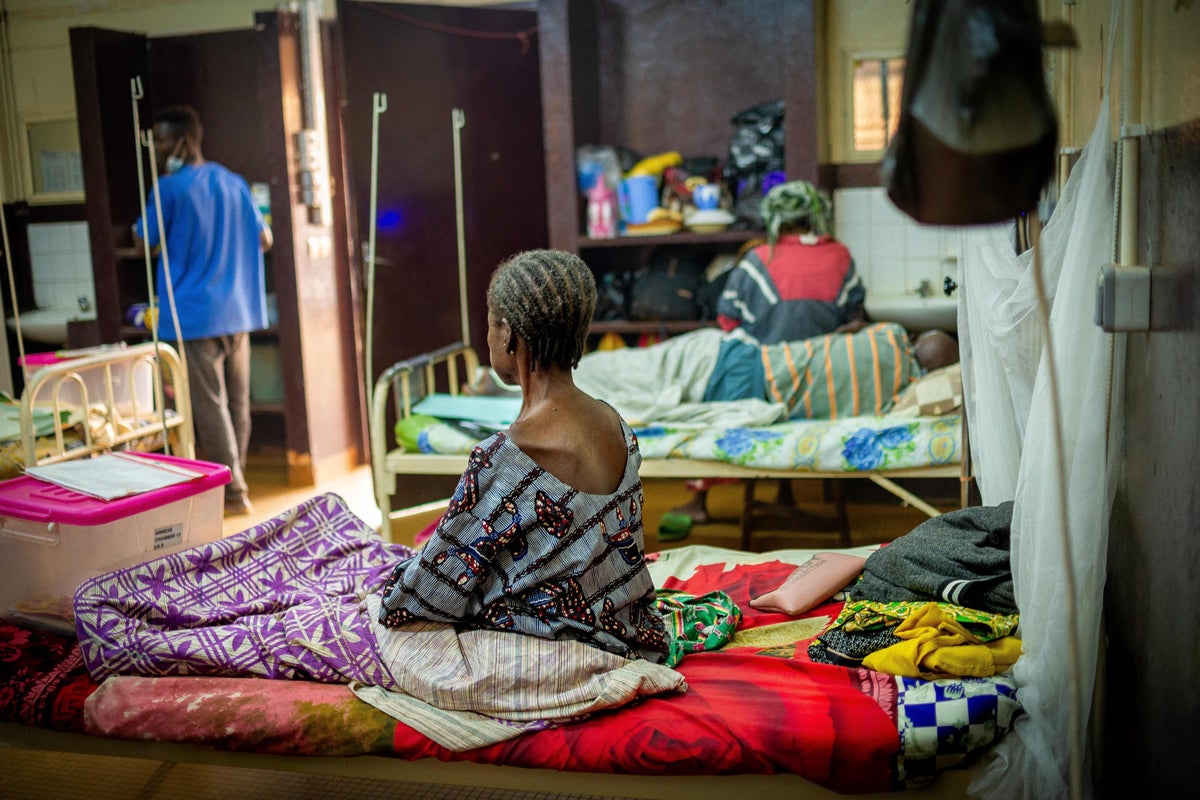
The human cost of this microscopic invasion is exhausting. Victims often endure weeks of watery diarrhea, severe abdominal cramping, bloating, fatigue, and low-grade fever. It is an illness that lingers, draining a person's energy day after day, mocking the body's attempts to heal itself. For healthy individuals, it is a grueling ordeal. For the elderly, the very young, or those with compromised immune systems, the stakes climb terrifyingly high.
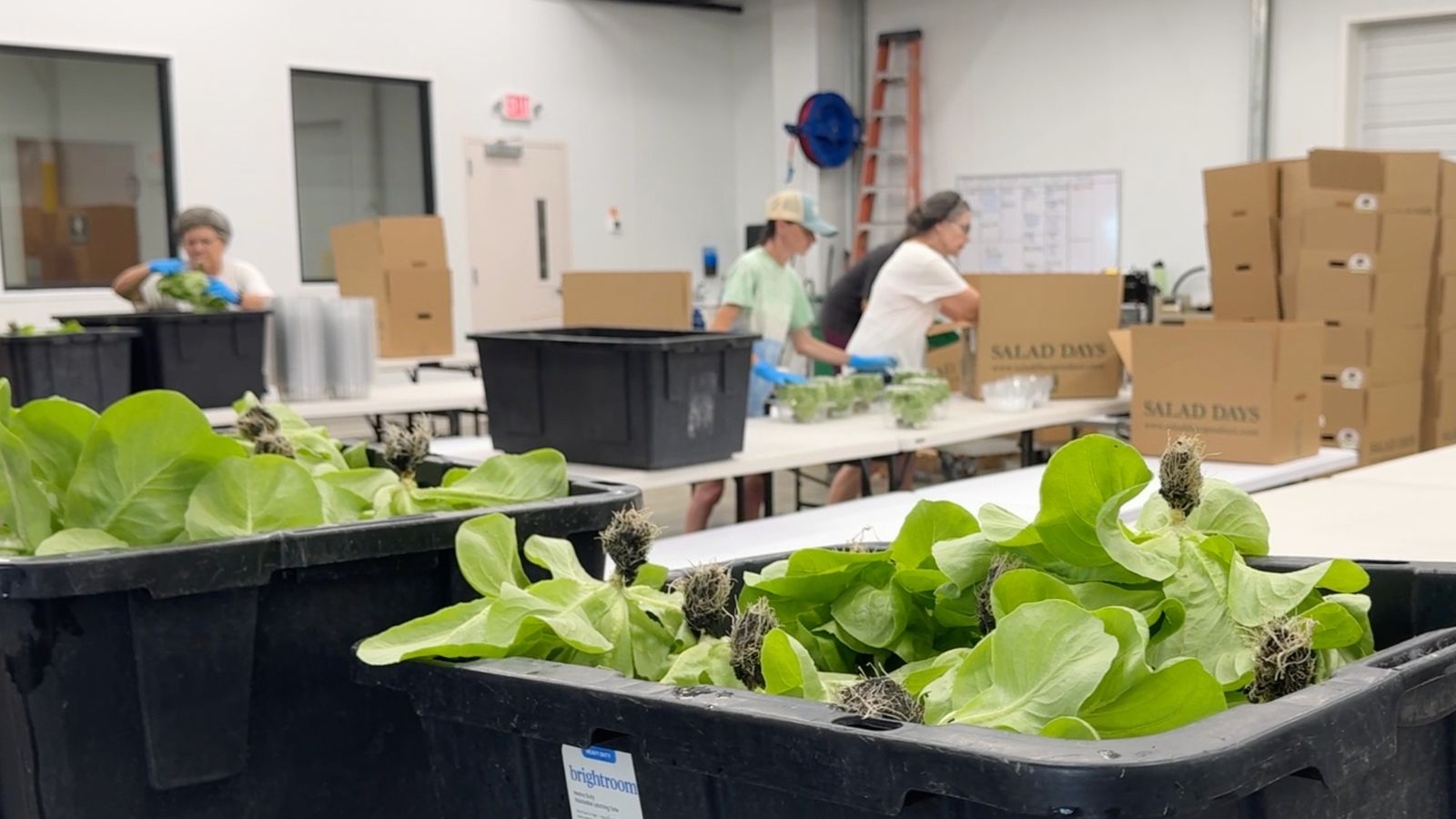
Data from public health agencies trace these outbreaks back through complex distribution chains. A single contaminated water source used for irrigation in a distant region can spread microscopic oocysts across acres of crops. Those crops are harvested, packaged, shipped across state lines, and placed onto grocery store shelves before anyone realizes anything is wrong.
By the time the first cases are flagged by doctors and reported to health departments, the invisible chain reaction has already traveled hundreds of miles.
This is the hidden cost of our modern food supply. We are connected by a vast, intricate network of agriculture and trade that makes fresh produce available year-round. But that same network means a localized problem can rapidly transform into a national puzzle.
Public health investigators face a daunting task when tracking these outbreaks. They become detectives of the microscopic, interviewing patients about everything they ate over the past two weeks, cross-referencing receipt data, lot numbers, and shipping manifests. It is painstaking work, built on fragments of memory and fragmented supply chains.
Every name added to an outbreak report represents a dinner table disrupted, a hospital visit, a family worried sick.
So how do we navigate a world where the food on our plate can carry unseen risks?
Education is our first line of defense, though it has its limits. Washing produce thoroughly is essential, but standard kitchen routines do not always eliminate resilient parasites like Cyclospora. Cooking food destroys the organism, but nobody wants to boil their salad greens. The responsibility ultimately stretches back to agricultural safety standards, water treatment protocols, and rigorous oversight at every step of the journey from farm to table.
We are left with a quiet realization. Safety is not a passive state. It is an active, ongoing commitment maintained by thousands of unseen hands working behind the scenes to keep our food clean.
When you sit down for your next meal, look at the fresh greens on your plate. Appreciate the journey they took to get there. And remember the quiet vigilance required to keep that journey safe.
The plate is empty now. The kitchen lights are off. Somewhere out in the vast fields, the cycle continues, waiting for our collective attention never to waiver again.