The tarmac at Frankfurt Airport smells like rain and burnt kerosene. It is a sharp, acidic scent that most travelers ignore as they rush toward the baggage carousel, but for someone like "Marcus"—a hypothetical logistics manager whose job is to keep the European sky from falling—that smell is the scent of a ticking clock.
Marcus watches a Lufthansa Airbus A321 pull into the gate. To the passengers, it is a metal tube that just crossed the continent. To Marcus, it is a hungry mouth. Every hour, hundreds of these machines land across the European Union, and every single one of them expects to be fed. But the kitchen is getting thin. The usual supply lines that once snaked in from the east have been severed or strained by geopolitical tremors that no one in the duty-free shop wants to think about.
Europe is facing a jet fuel crunch. It isn't a headline that screams like a stock market crash, but it is a slow-motion tightening of the throat for the continent's economy. When supply dips and demand stays relentless, the math becomes brutal.
The Long Straw
Across the ocean, the United States is sitting on a surplus. It is an odd quirk of global refining patterns. While American drivers are increasingly looking toward hybrids or electric vehicles, the massive industrial refineries along the Gulf Coast haven't stopped humming. They are churning out middle distillates—the technical term for the family of oils that includes diesel and jet fuel—at a pace that exceeds domestic hunger.
Think of it as a neighborhood where one house has a bursting pantry and the other is staring at an empty fridge. Logic dictates a handoff.
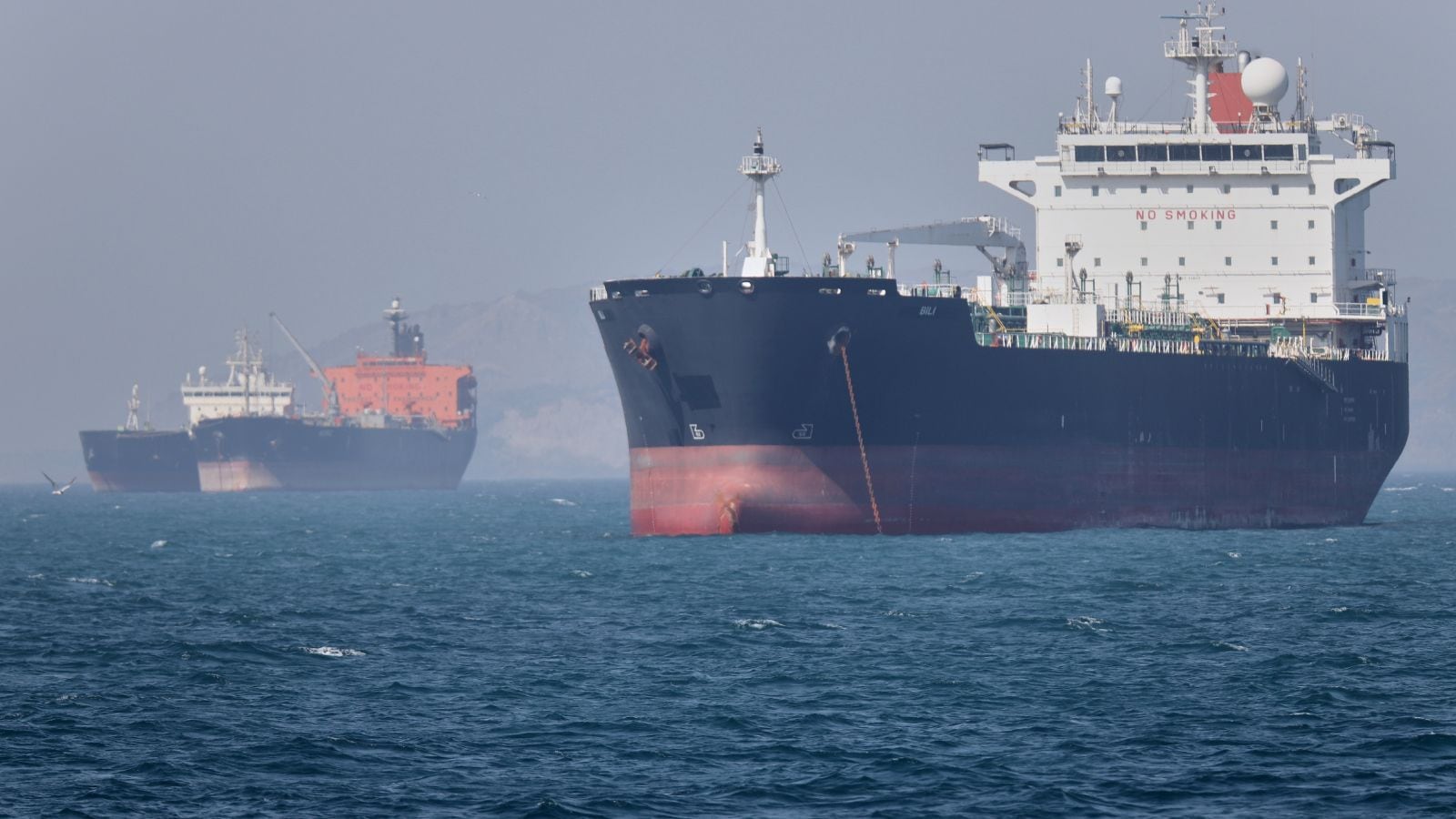
The move to ship US jet fuel to Europe is more than a simple transaction. It is a massive, floating bridge made of steel tankers. These vessels, some longer than three football fields, are now being redirected. Instead of feeding the traditional routes toward South America or staying within the coastal hubs of Florida and New York, they are pointing their bows toward Rotterdam and Le Havre.
But why does this matter to someone who isn't Marcus? Because the cost of that fuel dictates the price of a seat. It determines whether a small business in Lyon can afford to send its lead engineer to a conference in Berlin. It determines the price of the cherries flown in from overseas. When the fuel stops flowing, the world shrinks.
The Refined Problem
You might wonder why Europe doesn't just "make more." The answer is buried in the heavy, complex metal of the refineries themselves.
A refinery is not a tap you can simply turn up. It is a delicate chemical ecosystem. For decades, European refineries were optimized to produce diesel because that’s what the continent’s cars ran on. Now, as Europe aggressively pivots away from internal combustion engines, those refineries are in a state of flux. Some are being decommissioned; others are being converted to process "green" fuels.
In this transition, there is a gap. A dangerous one.
The US has a different setup. American refineries are high-capacity behemoths that can process a wider variety of crude oils into high-quality jet fuel with greater efficiency. By sending this fuel across the Atlantic, the US is essentially acting as a strategic reserve for the Western world.
Consider the sheer scale of the journey. A tanker leaves Houston. It battles the unpredictable Atlantic swells for two weeks. It burns fuel just to carry fuel. This is not an efficient way to run a planet, but in a world where energy security has become the new gold standard, efficiency takes a backseat to certainty.
The Hidden Stakes of the Skyway
There is a quiet tension in this dependency. For Europe, relying on American fuel is a relief, but it is also a reminder of vulnerability. If a hurricane hits the Gulf of Mexico and shuts down the refineries in Louisiana, the ripple effect now hits the flight boards in Paris.
We are living in an era of "just-in-time" energy. We no longer have the luxury of massive stockpiles sitting idle. The fuel being burned by a jet over the Alps today might have been under the Texas soil just a month ago.
This brings us to the uncomfortable reality of the "Green Gap." Europe is leading the world in the push for Sustainable Aviation Fuel (SAF). They want planes to run on used cooking oil and synthetic carbon-captured liquids. It is a noble, necessary goal. However, the technology to produce SAF at the scale required to replace traditional kerosene is still years—perhaps decades—away from being ready.
In the meantime, the planes must fly.
If Marcus fails to secure those American shipments, the system begins to cannibalize itself. Airlines start "tankering"—a practice where a plane fills up with extra fuel at its origin (where it’s cheaper or more available) just so it doesn't have to buy any at its destination. But fuel is heavy. Carrying that extra weight burns even more fuel. It is an environmental and economic feedback loop of the worst kind.
The Human Cost of a Dry Pump
Imagine a family in London waiting for a daughter to fly home for a wedding. They don't care about the "spread" between Brent Crude and West Texas Intermediate. They don't care about the refining margins in the Mississippi Delta.
They care about the "Delayed" or "Cancelled" notice on the screen.
When we talk about easing shortages, we are talking about maintaining the threads that hold modern life together. We are talking about the ability to move, to trade, and to meet. The influx of US jet fuel is the invisible hand that keeps those screens green.
It is also a story of a shifting global map. For the last fifty years, the energy story was about the East feeding the West. Now, the map is being redrawn. The West is feeding itself, through a complex, expensive, and logistically harrowing dance across the ocean.
The tankers keep coming. They move through the grey Atlantic mist, carrying the lifeblood of the European sky. Each one that docks in a port like Antwerp is a temporary victory over scarcity.
Marcus stands on the observation deck, watching the fuel lines connect to the belly of another silver bird. He knows this isn't a permanent fix. He knows the transition to a new kind of energy will be messy, loud, and prone to failure. But for today, the planes will take off. The cherries will arrive. The daughter will make it to the wedding.
The bridge is holding. For now.