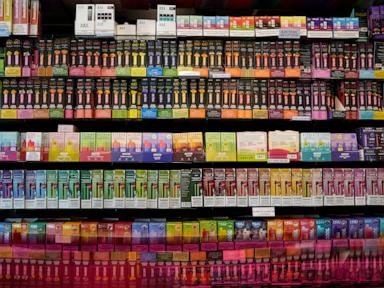
The federal government recently authorized the first flavored e-cigarettes in the United States, shifting the ground beneath parents trying to keep their children away from nicotine. For years, public health messaging was simple: flavored vapes are illegal, unregulated, and dangerous. That absolute clarity evaporated when the Food and Drug Administration (FDA) approved several menthol-flavored products, ruling that their benefits for adult smokers outweigh the risks to youth. This regulatory shift changes the conversation entirely, forcing parents to move past outdated scare tactics and confront a highly sophisticated, legally sanctioned market.
To effectively protect teenagers, parents must understand that the threat is no longer just an underground black market. It is an industrialized, scientifically optimized industry operating with selective government approval.
The Illusion of the Total Flavor Ban
Many parents operate under the assumption that the government banned youth-appealing flavors years ago. This belief stems from the 2020 FDA enforcement policy that targeted fruit and mint-flavored cartridge vapes like Juul.
The market adapted instantly. Manufacturers exploited a massive loophole by switching to disposable devices, which were not covered under the original cartridge restriction. When the FDA attempted to crack down on those disposables, the market shifted again to synthetic nicotine—nicotine created in a lab rather than derived from tobacco plants. Because the FDA initially only regulated tobacco-derived products, these synthetic vapes flooded convenience stores completely unregulated for months until Congress closed the loophole.
Now, the landscape has fractured further. By authorizing specific menthol e-cigarettes, the FDA has signaled that flavors are not inherently banned. Menthol, which creates a cooling sensation in the throat, makes it easier for new users to inhale deeply without coughing. While the approved products are technically marketed for adults, their legal presence on store shelves normalizes flavored nicotine delivery systems.
Teenagers do not see a nuanced regulatory distinction. They see a green light.
The Rise of Disposables and the Illicit Pipeline
The authorized menthol products are mostly older, cartridge-based systems from major tobacco corporations. These are not the devices teenagers actually use.
Surveys from the Centers for Disease Control and Prevention (CDC) consistently show that the vast majority of youth vapers prefer disposable devices. These products are cheap, intensely sweet, and high in nicotine strength. Brands like Elf Bar, Lost Mary, and various generic spin-offs dominate high school parking lots. Almost none of these disposable brands have FDA authorization. In fact, most operate under warning letters or import alerts.
Yet, they remain widely available. Overseas manufacturers frequently bypass customs by mislabeling shipping containers as "flashlight batteries" or "electronic toys." Once inside the country, a decentralized network of independent distributors places them in traditional retail settings and vape shops. Parents looking for a single entity to blame will find instead a hydra-headed supply chain that reacts faster than federal agencies can write rules.
The Chemistry of Modern Nicotine
Understanding why teenagers struggle to quit requires a look at the basic chemistry of modern e-liquids. Traditional cigarettes use freebase nicotine, which is highly alkaline. This alkalinity causes a harsh, burning sensation in the throat, acting as a natural brake on how much a beginner can inhale.
In 2015, e-cigarette companies revolutionized the market by adding benzoic acid to nicotine. This chemical reaction creates nicotine salts.
$$\text{Nicotine (Freebase)} + \text{Benzoic Acid} \rightarrow \text{Nicotine Salt}$$
Nicotine salts lower the pH level of the vapor, dramatically reducing throat harshness. This allows a user to inhale unprecedented concentrations of nicotine without discomfort.
A single modern disposable vape can contain a nicotine concentration of 5% by volume. That is equivalent to the nicotine content of an entire carton of traditional cigarettes. Because the vapor is smooth and flavored, a teenager can consume this massive dose in a matter of days without realizing the scale of their consumption. The chemical barrier to entry has been entirely removed.
Neurological Vulnerability
The teenage brain is uniquely susceptible to this chemical delivery system. The prefrontal cortex, which governs impulse control, decision-making, and risk assessment, does not fully mature until a person reaches their mid-twenties.
Nicotine mimics the neurotransmitter acetylcholine, binding to receptors in the brain and triggering a flood of dopamine, the chemical associated with pleasure and reward. In a developing brain, these reward pathways are highly plastic. They reshape themselves around the substance rapidly.
When the nicotine wears off, the brain experiences a deficit in dopamine, leading to irritability, anxiety, and an intense urge to replicate the high. What parents often mistake for typical teenage moodiness is frequently the physical cycle of nicotine withdrawal.
The Failure of Scare Tactics
For decades, public health campaigns relied on shock value. Images of blackened lungs and stories of sudden death were standard fare.
These tactics fail completely with Gen Z and Gen Alpha. Teenagers are inundated with information and possess a high degree of skepticism toward corporate and government messaging. When an authority figure claims that vaping a single time will destroy their health, and the teenager sees their peers vaping daily while still running track or passing tests, the authority figure loses all credibility. The teenager dismisses the entire warning as propaganda.
Furthermore, hyper-focused warnings about rare conditions like "EVALI" (E-cigarette or Vaping Product Use-Associated Lung Injury) can backfire. EVALI was overwhelmingly linked to illicit THC cartridges cut with vitamin E acetate, not commercial nicotine vapes. When teenagers discover this distinction online, they realize the adults in their lives either do not understand the technology or are intentionally misleading them. Trust is broken.
Shifting to a Reality-Based Conversation
Effective intervention requires parents to trade emotional appeals for objective, unassailable facts. The goal is not to frighten, but to deconstruct the manipulation the teenager is experiencing.
- Expose the business model: Frame the issue around corporate exploitation rather than personal morality. Explain how multi-billion-dollar entities use specific chemical formulations and flavor profiles to create lifelong customers. Teenagers generally dislike being manipulated by corporate entities; clean data appeals to their desire for autonomy.
- Discuss the financial drain: A regular vaping habit costs thousands of dollars a year. Map out what that money could buy instead, whether it is car insurance, travel, or technology. Concreteness resonates far better than abstract health warnings.
- Address the anxiety trap: Many teenagers vape to cope with stress or academic anxiety. Parents need to explain the physiological reality: nicotine does not relieve anxiety; it creates it. The perceived relaxation a teen feels when hitting a vape is simply the temporary relief of the withdrawal symptoms that the vape caused in the first place.
| Traditional Approach | Modern Investigative Approach |
|---|---|
| "Vaping will ruin your lungs and kill you." | "Nicotine salts are engineered to bypass your body's natural defense mechanisms." |
| "It's illegal, so you shouldn't do it." | "The regulatory system is fractured, allowing unauthorized products to target you directly." |
| "You are ruining your future." | "Tobacco companies are capitalizing on your stress to build a recurring revenue model." |
Recognizing the Hidden Signs
The physical design of e-cigarettes has advanced to minimize detection. The era of large, cloud-producing vape mods is gone. Today's devices look identical to USB flash drives, highlighters, digital watches, or even ballpoint pens. Some are integrated directly into the drawstrings of hoodies or the straps of backpacks.
Detection requires monitoring behavioral changes and subtle physical cues rather than searching for obvious paraphernalia.
Unexplained Physiological Cues
Because nicotine is a powerful stimulant, it alters baseline physiological functions. A primary indicator is a sudden, insatiable demand for water or flavored beverages. Vaping dries out the mouth and throat tissues. If a teenager who previously drank very little water suddenly carries an insulated flask everywhere, it warrants attention.
Frequent nosebleeds are another overlooked symptom. The exhaled vapor dries out the nasal passages, causing capillaries to crack and bleed.
Similarly, parents should watch for changes in taste preferences. Constant exposure to high-strength artificial sweeteners in vapes can deaden taste buds, leading teenagers to heavily salt their food or demand extremely spicy options to register flavor.
Behavioral Disruption
The short half-life of nicotine in modern devices requires frequent redosing to avoid withdrawal. This manifests as erratic behavior patterns.
A teenager who suddenly cannot sit through a family movie without three trips to the bathroom or the garage is likely managing a dependency. Increased secrecy, locked bedroom doors, and a sudden insistence on doing their own laundry (to hide scent or hidden devices) are common indicators.
The scent itself is revealing. Unlike tobacco smoke, e-cigarette vapor dissipates quickly, but the heavy artificial flavorings stick to fabrics. A persistent smell of cotton candy, mango, or artificial mint in a bedroom or car is almost never accidental.
The Intervention Blueprint
Discovering that a child vapes often triggers an emotional reaction from parents. Anger, shouting, and immediate confiscation are standard responses. They are also counterproductive.
An aggressive confrontation drives the behavior further underground. The teenager will simply become more sophisticated at hiding the habit, purchasing cheaper, more dangerous devices from peer networks rather than convenience stores.
Step 1: The Low-Stakes Discovery
Do not launch a confrontation the moment you find a device. Use an external event—like the FDA's recent authorization of menthol vapes or a news story about a school bathroom crackdown—to gauge their perspective.
Ask open-ended questions that do not put them on the defensive. "Are people actually using those new approved vapes, or is it still just the disposable ones?" This positions you as an informed observer rather than an interrogator. It allows the teenager to speak as an expert on their environment, revealing their level of exposure and attitude toward the habit without admitting personal use right away.
Step 2: De-escalate and Separate Habit from Identity
If you confirm they are vaping, separate the child from the behavior. Labeling a teenager a "vaper" or a "liar" forces them into a defensive posture where they internalize the negative trait.
Acknowledge the power of the substance. State clearly that you understand they are dealing with a highly addictive chemical engineered by experts to trap them. This shifts the enemy from the teenager to the product.
Step 3: Practical Harm Reduction and Cessation
Confiscating a device without a cessation plan invites immediate failure. The withdrawal symptoms will peak within 72 hours, causing intense anxiety, headaches, and irritability.
Work together to remove temptation. Throwing away devices jointly gives the teenager a sense of agency. Replace the physical hand-to-mouth habit with alternatives like flavored toothpicks, cinnamon gum, or stress balls.
For severe dependencies, consult a pediatrician about evidence-based cessation programs. Many states offer anonymous, text-based quitting services specifically tailored for adolescents, providing support without the stigma of adult intervention programs. Expect relapses. Nicotine addiction is a chronic relapsing condition, and criticizing a setback only ensures that the next attempt will be hidden from you.
The regulatory system cannot protect teenagers from the current generation of e-cigarettes. The speed of corporate adaptation and the scale of the illicit supply chain mean that unauthorized, high-potency products will remain accessible for the foreseeable future. Parents cannot rely on federal authorities to police what enters their homes; they must rely on precise, unvarnished information that disarms the product's appeal from the inside out.