The Defense Intelligence Agency just raised its counterintelligence threat assessment for Israel to its highest possible designation. Critical. This quiet internal alert circulated within the Pentagon signals a profound fracturing of trust between Washington and its closest Middle Eastern ally, driven by a desperate Israeli effort to intercept the Trump administration’s private deliberations over the war with Iran.
Intelligence agencies operate on a brutal baseline. Everyone spies on everyone. But when a friendly foreign intelligence service shifts from passive monitoring to hyper-aggressive target acquisition of senior American officials, the guardrails have failed. The Pentagon’s upgraded warning, backed by a detailed seven-page document and tactical tracking charts, highlights specific recent incidents where Israeli technical and human assets crossed the line. They are hunting for leverage. With Washington pushing a diplomatic exit strategy to end a war launched back on February 28, Jerusalem is pulling out every technical trick in the book to discover if the U.S. will permanently pull the plug on major combat operations.
The Secret Seven Page War
The shift did not happen in a vacuum. The internal memo circulating through the Defense Intelligence Agency (DIA) outlines a pattern of escalating surveillance that targets the highest echelons of American decision-making.
According to officials familiar with the assessment, the document lays out explicit tracking data showing that Israel’s capabilities to conduct both human espionage and advanced technical information collection inside the United States have reached a boiling point. This isn’t basic diplomatic gossiping. It is a systematic operation to penetrate the encrypted communications of U.S. negotiators, military planners, and White House aides.
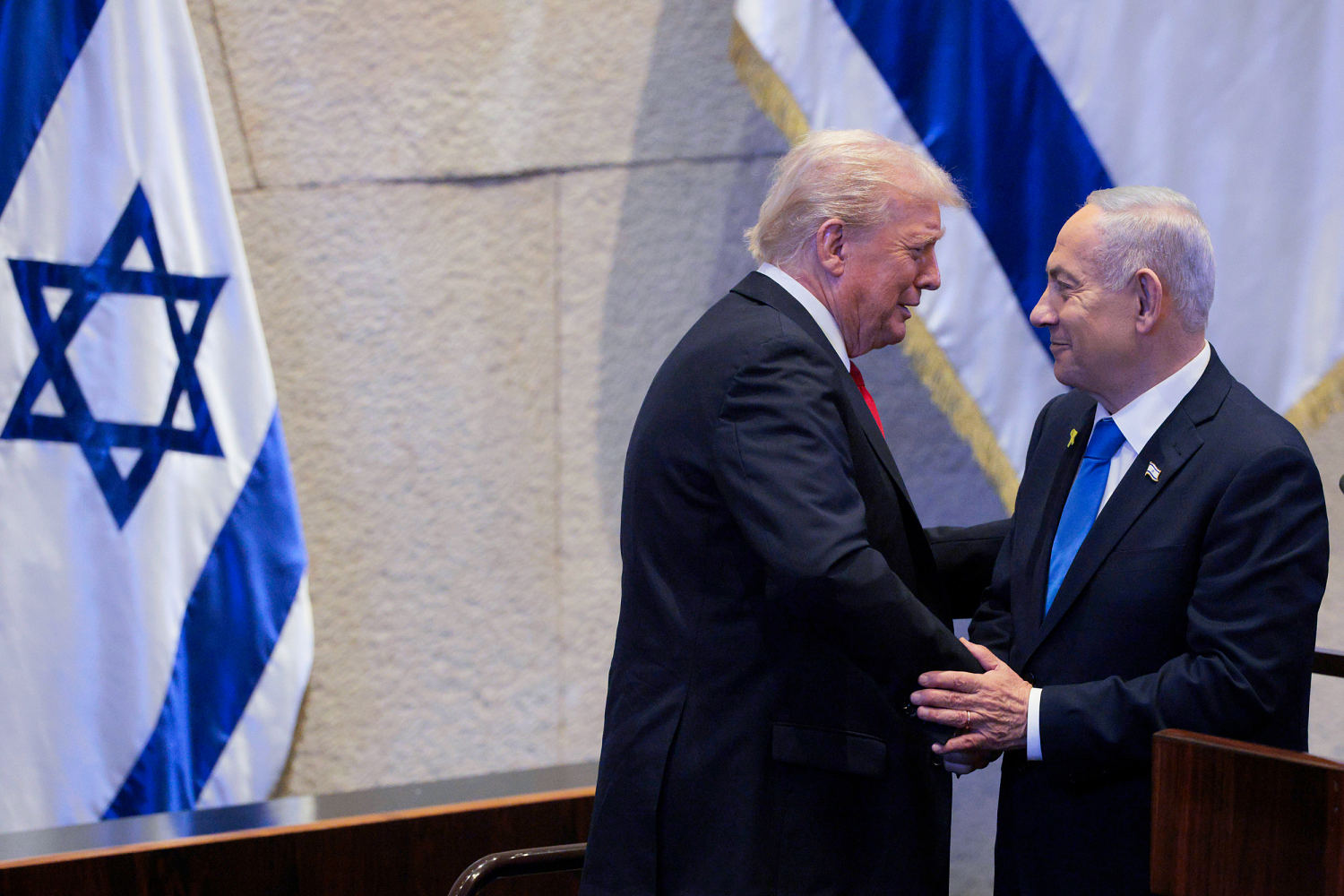
The background friction is intensely personal. President Donald Trump and Israeli Prime Minister Benjamin Netanyahu recently locked horns during a tense phone call regarding military operations in Lebanon and Iran. Trump reportedly went so far as to call the Israeli leader "crazy" as regional objectives fundamentally diverge. Since a fragile ceasefire took hold in early April, the White House has actively pursued a diplomatic grand bargain with Tehran. Jerusalem views this diplomacy as a direct existential threat. They believe Iran will never honor a deal, and they want U.S. bombers back in the air.
To influence that outcome, you first have to know what the other side is saying when the doors are closed.
Burner Phones and Bugged Hotel Rooms
For American officials traveling to Tel Aviv or Jerusalem, the environment has long been treated as hostile territory for electronics. The upgraded DIA threat level simply codifies what operators on the ground have practiced for years.
When a cabinet secretary or a high-ranking military commander lands in Israel, standard-issue government encrypted devices are frequently left in secure diplomatic pouches. Instead, officials rely on clean burner phones and temporary laptops. Hotel rooms are treated as open microphones. It is standard operating procedure for U.S. personnel to conduct sensitive verbal briefings only within the secure confines of a local embassy SCIF (Sensitive Compartmented Information Facility) or while walking through open outdoor spaces where directional microphones have a harder time locking on.
"They are well-known to aggressively collect," noted one current U.S. official. "They are exceedingly interested in what we are up to."
The technical proficiency of Israel’s intelligence apparatus makes them uniquely dangerous targets for counterintelligence officers. While adversaries like China or Russia often deploy sweeping, blunt-force cyber campaigns, Israeli operations tend to be surgical, relying on Zero-Click exploits and localized intercept technologies that can vacuum up data from a device without the user ever clicking a malicious link. When that apparatus is turned squarely toward the internal deliberations of its primary benefactor, the diplomatic fallout is inevitable, regardless of public denials.
The Politics of Denial
Publicly, the official facade is holding, if only barely. The Israeli Embassy in Washington released a boilerplate rejection of the findings, calling the reports completely false and asserting that Israel does not gather intelligence on U.S. government officials. The White House, anxious to avoid a total public collapse of the alliance while delicate regional negotiations are ongoing, dismissed the leak as the work of misinformed sources. The Pentagon has chosen to say nothing at all.
These denials deceive no one in the intelligence community.
Historically, the intelligence relationship between the two nations has been asymmetrical. The U.S. provides massive amounts of signals intelligence and satellite imagery to Israel, while Israel offers deep human intelligence networks across the Levant. But that partnership has always carried deep scars. The shadow of Jonathan Pollard, the American naval intelligence analyst who passed suitcase loads of classified documents to Israel in the 1980s, still influences counterintelligence training at Fort Meade.
The current escalation proves that the underlying calculation hasn't changed. When a state perceives its survival or its core geopolitical objectives to be at stake, alliances become secondary to information gathering.
The Friction of Divergent Realities
The core driver of this espionage spike is an undeniable reality. The strategic goals of Washington and Jerusalem have ceased to align.
- The U.S. Objective: Secure a lasting diplomatic off-ramp with Iran to stabilize global energy markets and prevent an open-ended American military commitment in the Middle East.
- The Israeli Objective: Utilize the current momentum to decisively dismantle Iran’s nuclear infrastructure and permanently degrade its proxy networks, regardless of the diplomatic cost.
Because Netanyahu wants a resumption of bombing raids against Iranian targets, knowing the exact pain points, red lines, and internal divisions within the Trump cabinet gives Israeli diplomats a massive advantage. If they know exactly which advisor is pushing for peace and who is arguing for containment, they can tailor their lobbying efforts and public narratives with pinpoint accuracy.
This isn't a game of corporate espionage. It is an information war over who dictates the foreign policy of the world's sole superpower. By raising the threat level to critical, the Pentagon is sending a sharp, internal warning to its own staff: stop talking, because your friends are listening.
.jpg)