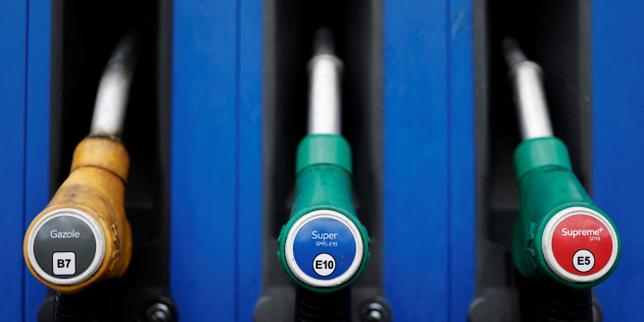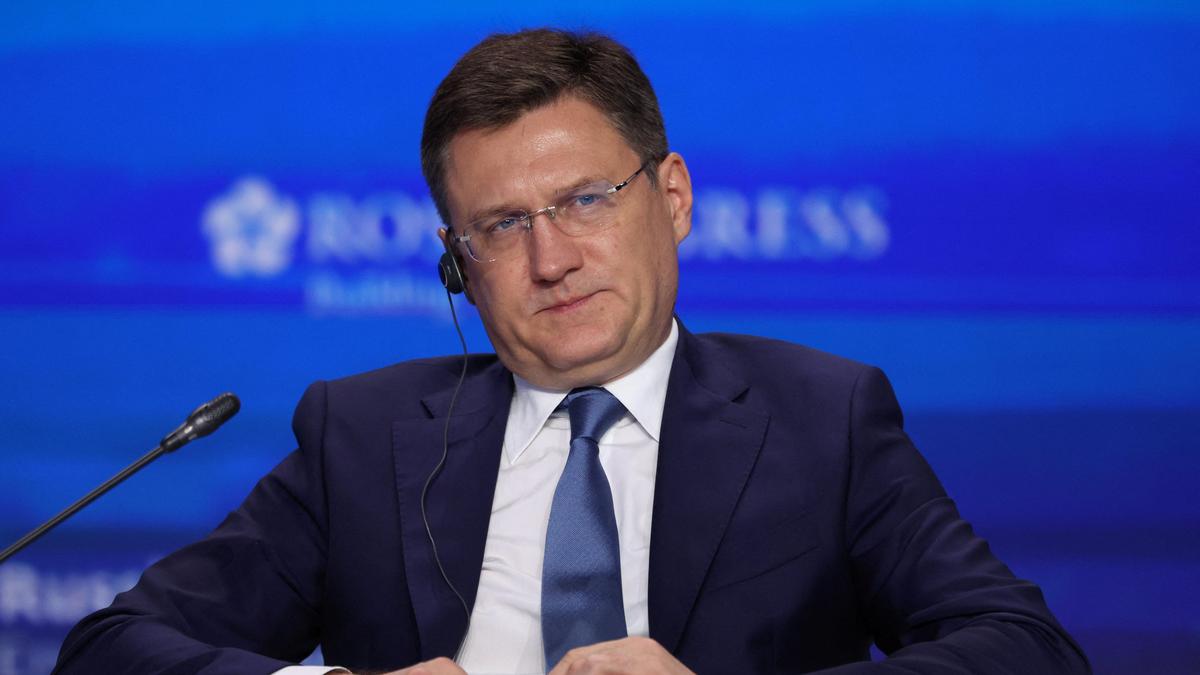
Starting April 1, 2026, Russia will officially shut the valves on gasoline exports, a desperate measure intended to keep domestic pumps running as its refining heartland takes a historic beating. Deputy Prime Minister Alexander Novak signaled the move following a series of emergency meetings, confirming that the ban will remain in effect until at least July 31. While the official narrative blames "market turbulence" in the Middle East and the escalating war in Iran, the reality on the ground is far more precarious. Moscow is no longer just fighting for market share; it is fighting to prevent a total collapse of its internal fuel supply.
The timing is anything but coincidental. Russia is entering the peak spring sowing season, a period when agricultural demand for fuel skyrockets. Simultaneously, a significant portion of its refining infrastructure has been rendered inoperable. By forcing domestic producers to keep every drop of gasoline within the borders, the Kremlin is attempting to build a firewall against a secondary front of the war: a domestic energy shortage that could spark widespread public unrest.
The Drone Shadow Over the Gas Pump
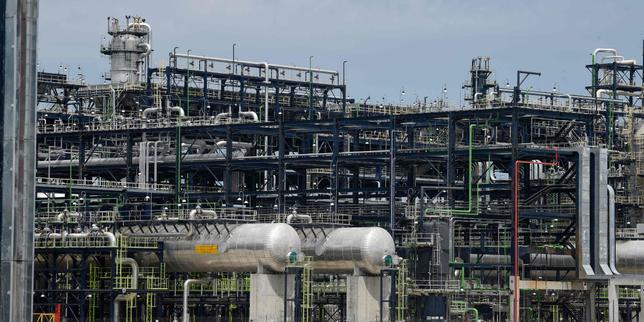
To understand why a global energy giant is suddenly hoarding its own fuel, one must look at the plumes of smoke rising from refineries in the Leningrad and Baltic regions. In the final weeks of March 2026, Ukrainian long-range drone strikes achieved what years of sanctions could not—they physically severed Russia’s ability to process its own crude.
Industry data suggests that approximately 40% of Russia’s total oil export capacity has been knocked offline. This isn't just a minor technical glitch. Major facilities like the Kirishi refinery, which alone processes nearly 7% of the nation’s total volume, have seen their primary refining units crippled. When a refinery stops refining, the crude oil has nowhere to go but back into storage or into the ground, and the finished product—gasoline—simply vanishes from the market.
The government’s public stance is that refining volumes remain at "March 2025 levels." This is a carefully curated piece of statistical theater. While the raw volume of crude being pumped may be steady, the efficiency and output of high-octane gasoline have plummeted. For the average Russian driver, the "stability" touted by the Ministry of Energy feels like a ghost story. Wholesale prices on the St. Petersburg International Mercantile Exchange have already jumped by 14% for gasoline and a staggering 22% for diesel since the beginning of spring.
The Middle East Wildcard
Moscow is leaning heavily on the "West Asia crisis" as a convenient scapegoat. It is true that the war involving the United States, Israel, and Iran has choked the Strait of Hormuz, sending global crack spreads—the profit margin between crude oil and refined products—into the stratosphere. Normally, this would be a windfall for Russian oil majors like Rosneft and Lukoil. High global prices mean massive export revenues.
However, the Kremlin has a different priority. If Russian oil companies were allowed to chase those global profits, they would export every gallon they produced, leaving domestic gas stations empty. The April 1 ban is a blunt instrument designed to kill the profit motive for the sake of national security. The government is effectively telling its energy titans that they must eat the losses of the domestic market to ensure the tanks of Russian T-90s and Lada sedans remain full.
A Fragile Internal Equilibrium
The ban is not a new tactic, but its repetition reveals a deepening structural rot. Russia implemented similar restrictions in late 2023, 2024, and 2025. Each time, the ban was lifted with a sigh of relief, only to be reinstated months later as the same cracks reappeared.
The Breakdown of the Dampener
Russia uses a complex "damper mechanism" to keep domestic prices low. When global prices are high, the government pays oil companies to sell fuel cheaply at home. When global prices are low, the companies pay the government. In 2025, these payments were slashed by half to fund the ballooning defense budget. With less state support, oil companies have less incentive to play along. They are now offsetting those losses by hiking prices at the pump, forcing the government to intervene with the April 1 export ban to prevent inflation from spiraling out of control.
The Maintenance Nightmare
Western sanctions have made it nearly impossible to source specialized parts for sophisticated refining units. What used to be a routine three-week maintenance cycle now stretches into months as engineers scramble to "cannibalize" parts from older plants or wait for gray-market deliveries via third countries. Several refineries have pushed their scheduled April maintenance to later in the year, a move that risks catastrophic mechanical failure but keeps the fuel flowing—for now.
The Regional Toll
While Moscow and St. Petersburg might see relatively stable supplies, the periphery is already reeling. In annexed Crimea, reports suggest that nearly half of the filling stations have run out of AI-95 fuel. In rural Siberia, farmers are facing a choice between paying double for diesel or letting their equipment sit idle during the most critical planting window of the year.
The ban might stabilize the national average, but it cannot fix the logistical nightmare of moving fuel across a country where the rail lines are increasingly prioritized for military hardware. The "priority supply" promised by Novak is a triage system. The military gets the first cut, the agricultural sector gets the second, and the civilian population is left to fight over the remains.
The Brutal Truth of Energy Sovereignty
Russia’s predicament is a paradox. It sits on some of the world’s largest oil reserves, yet it cannot guarantee that its citizens can fill their tanks. This export ban is a confession that the Russian energy sector is no longer a tool of global influence, but a liability that must be guarded.
The ban is scheduled to end in July, but few in the industry expect the situation to be resolved by then. As long as the refining infrastructure remains in the crosshairs of drone technology and the domestic "damper" remains underfunded, the cycle of shortages and bans will continue. The Kremlin has chosen to isolate its fuel market from the world to survive the summer. Whether that isolation provides stability or merely hides a growing internal pressure remains the defining question for the Russian economy in 2026.
Would you like me to analyze how this gasoline ban will specifically impact the global price of Brent crude and the European diesel market?