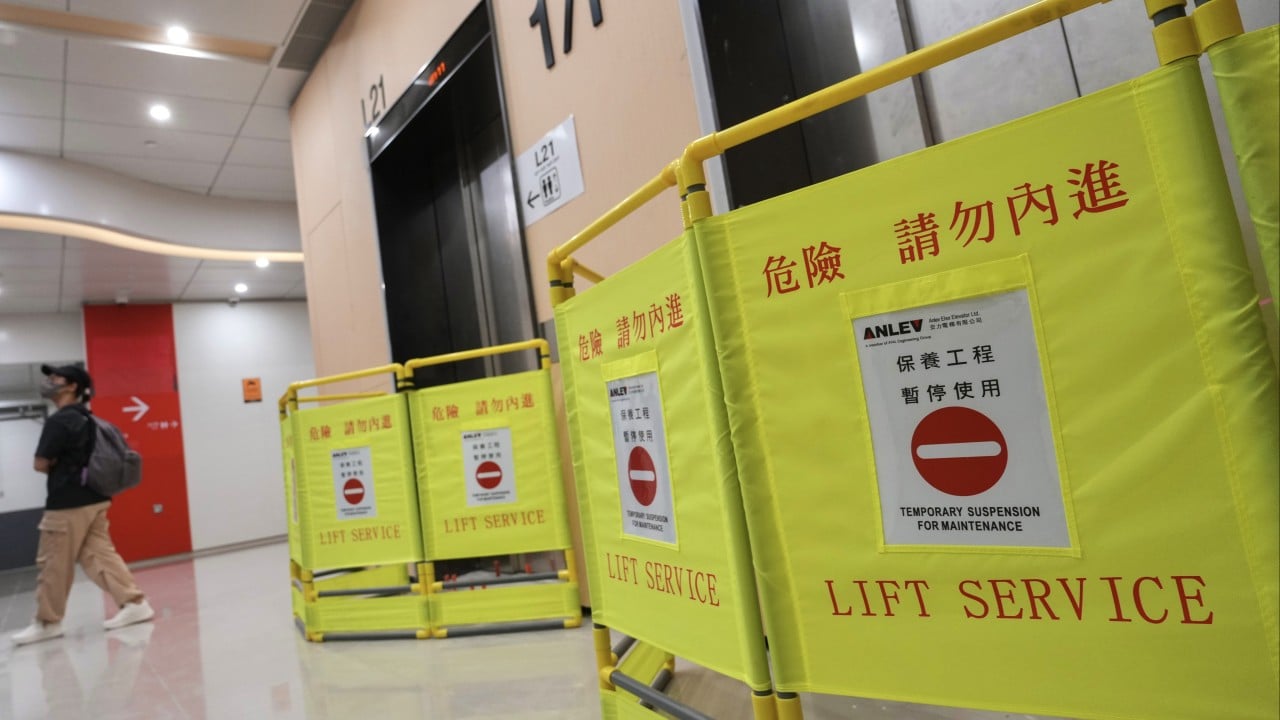
Vertical transportation is the hidden heartbeat of modern medicine. When twenty-four out of twenty-eight elevators fail in a newly minted multi-billion-dollar clinical tower, a hospital stops functioning. Queen Mary Hospital in Hong Kong, a premier medical institution undergoing a massive ten-year, HK$13.5 billion redevelopment, currently finds its state-of-the-art Clinical Block 1 paralyzed by an extraordinary infrastructural failure. Only a tiny fraction of its lift network remains operational, leaving an entire facility essentially stranded and exposing deep cracks in public project execution, oversight, and contractor accountability.
The situation goes far beyond a simple mechanical glitch or delayed maintenance schedule. It represents a systemic breakdown across design, installation, and inspection phases that has effectively stalled the rollout of critical clinical services. Understanding how a flagship public infrastructure project reached this degree of dysfunction requires looking past corporate PR statements and examining the heavy machinery, contractual loopholes, and regulatory oversights governing high-rise medical architecture.
The Anatomy of a Vertical Gridlock
Clinical Block 1 was designed to modernize patient care, house specialized wards, and streamline the movement of staff, patients, medical waste, and heavy supplies. A building of this scale relies on a complex network of twenty-eight distinct lifts tailored for different payloads and zones. Yet, months after the tower began its phased handover, the reality on the ground resembles a construction site rather than a functioning medical facility.
Visitors and hospital personnel face endless queues, packed escalators, and steel plates sealing off out-of-order elevator shafts. Out of the entire fleet, only a handful of cars remain open to the public. The rest sit idle, paralyzed by notices demanding immediate suspension due to severe safety hazards and failure to meet basic contractual thresholds.
On-site inspections and reports from trade insiders point to chronic issues with door sills, alignment tracks, and electronic control sensors. For instance, touch-sensitive destination panels installed in the cars are overly sensitive, registering phantom inputs from crowded passenger groups while mechanical door components suffer from premature wear. More alarmingly, records from the Electrical and Mechanical Services Department trace multiple dangerous failures, including sudden drops and component malfunctions that trapped staff and visitors inside dark shafts.
A Tragic Human Cost and Rising Safety Alarms
The crisis cannot be divorced from its human toll. Behind the statistics of delayed openings and halted commissions lies a sobering record of occupational hazard. Maintenance and construction safety came under intense scrutiny following a fatal incident where a technician became trapped and perished within a lift shaft at the very same clinical block.
When structural components fail during the final testing and defect-rectification windows, it signals an environment where standard safety margins have been compromised. Clinical staff have voiced mounting frustration over the daily risks of moving through a building where the primary arteries are erratic. Moving fragile patients, rolling heavy gurneys, or transporting biological waste becomes an administrative and physical nightmare when elevators shudder, drop, or abruptly lock down.
Lawmakers and industry unions have begun asking uncomfortable questions about how these defects escaped early detection. The Electrical and Mechanical Services Department oversees statutory safety approvals, while the Architectural Services Department acts as the project manager alongside the Hospital Authority. Pointing fingers at sub-contractors like Anlev Elex Elevator Limited does little to explain why multi-layered bureaucratic oversight mechanisms failed to catch these catastrophic deviations before the building was handed over for phased use.
The Ripple Effect on Healthcare Delivery
The delay in commissioning the lift network has frozen the hospital's strategic expansion. Clinical Block 1 was meant to absorb patient loads and allow older wings to undergo much-needed renewal. Because the vertical transit system cannot safely move high volumes of people and equipment, the upper floors remain ghost zones, restricted mostly to non-clinical amenities like a ground-floor convenience store and a third-floor restaurant.
This creates a severe bottleneck across the entire Queen Mary campus. Hong Kong healthcare facilities already operate under immense pressure, dealing with dense patient populations and high bed occupancy rates. Losing an entire clinical block to a preventable infrastructure delay exacerbates system-wide strain. Every month the lifts remain non-compliant is a month deferred for specialized treatments and surgical relocations.
Government bodies have attempted to project a firm stance. Officials from the Architectural Services Department, the Electrical and Mechanical Services Department, and the Hospital Authority issued a joint declaration confirming that the installations fall short of contractual requirements. They have demanded that contractors rectify all faults by the fourth quarter of the year, holding open the threat of legal action to recover losses and damages.
Accountability in Mega-Scale Engineering
Public sector projects of this magnitude operate within rigid legal and financial frameworks, yet they frequently stumble over execution hurdles. When a multi-billion-dollar medical tower is hobbled by something as fundamental as its elevators, accountability tends to scatter across a maze of primary contractors, specialized sub-contractors, and oversight bureaus.
Contractors argue that supply chain disruptions, labor shortages, and complex architectural integrations create moving targets. However, veterans of the engineering and construction sector note that basic quality control during the installation of guide rails, counterweights, and electronic safety brakes remains non-negotiable. Skipping steps or rushing final commissioning to meet political or administrative deadlines inevitably invites disaster.
The situation at Queen Mary Hospital serves as a cautionary tale for urban infrastructure development. High-tech medical buildings demand absolute reliability from their foundational systems. Until the last lift shaft is cleared, certified, and proven safe under heavy operational loads, the sparkling glass facade of Clinical Block 1 remains a monument to what happens when execution fails to match ambition.
:max_bytes(150000):strip_icc()/2488642_1_color-5bec92dc46e0fb002dbbc6b1.png)
:max_bytes(150000):strip_icc()/moscow-kremlin-and-st-basil-cathedral-at-dusk-158200423-5a64f4594e46ba00377331fb.jpg)
