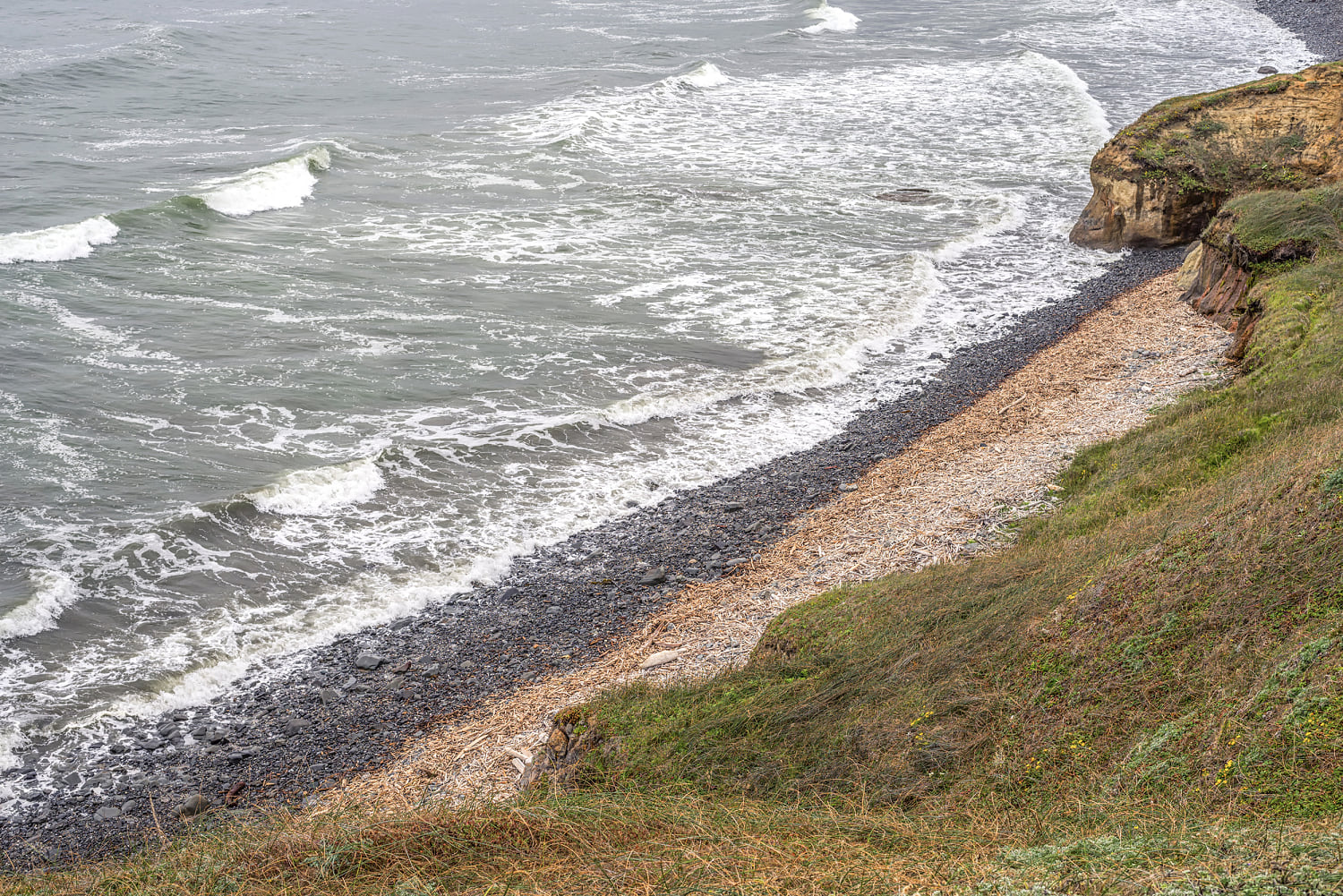
A routine morning walk along a California shoreline transformed into a traumatic medical emergency when a Good Samaritan attempting to clean up post-holiday trash picked up an unexploded pyrotechnic device, suffering a severe hand amputation upon detonation. The incident highlights a worsening, overlooked safety crisis along coastal stretches where illegal commercial-grade explosives and discarded fireworks sit half-buried in wet sand long after the holiday crowds disperse. Every July Fifth, thousands of unsuspecting volunteers step onto public beaches to clear tons of litter, unwittingly acting as de facto bomb disposal units for high-yield explosives that municipal authorities struggle to control.
Coastal cleanup crews have traditionally contended with discarded plastic bottles, aluminum cans, and thousands of spent cigarette butts. Today, the composition of shoreline trash has changed dramatically. The growing influx of high-yield illegal explosives imported across state lines or purchased through underground networks has turned public beaches into hazardous zones. When these devices misfire, fail to ignite, or are abandoned intact in the dark, they do not simply become inert trash. They become volatile traps waiting for a human hand or a child’s shovel to trigger them.
The Volatile Chemistry of Abandoned Pyrotechnics in Coastal Sand
Commercial and consumer fireworks rely on precise chemical mixtures designed to burn rapidly or detonate under specific thermal conditions. Black powder, flash powder, and metallic salts are packed tightly inside cardboard or plastic casings, triggered by fuses that are meant to burn at predictable rates. When a device fails to ignite during a beachfront display, it often sits exposed to damp ocean air, marine mist, and salt spray.
Moisture degrades the outer protective casing while altering the chemical stability of the internal compounds. Water does not always render these explosives safe. In many cases, partial dampness creates unpredictable sensitivity. Dried salt crystals can form microscopic friction points inside the casing. Flash powder mixtures, which contain fine aluminum or magnesium powder combined with strong oxidizers like potassium perchlorate, become intensely sensitive to physical movement, pressure, or static electricity when partially degraded.
A volunteer picking up what appears to be a soggy cardboard tube or a discarded plastic container applies physical pressure. That slight compression shifts the destabilized chemical core, creating friction against dry internal pockets. Detonation happens instantly. There is no burning fuse, no sound warning, and no window to react. The mechanical force of a commercial-grade pyrotechnic bursting at close range generates blast pressures capable of fracturing bone, tearing muscular tissue, and severing limbs instantly.
The Law Enforcement Vacuum Along California Coastlines
California maintains some of the strictest fireworks laws in the United States. State regulations strictly classify dangerous items, prohibiting modified mortars, aerial shells, salutes, and any device that explodes or moves unpredictable across the ground without explicit state fire marshal approval. Yet, every summer, tons of illegal pyrotechnics flow into coastal counties.
Local law enforcement agencies face a daunting logistics bottleneck every July Fourth. On a single holiday night, police departments along coastal jurisdictions receive thousands of emergency calls regarding illegal explosions. Patrol officers cannot cover miles of dark, crowded beach sand while simultaneously responding to domestic calls, traffic accidents, and structural fires inland.
Inspectors and bomb squads focus their limited resources on large-scale organized shows and high-density urban areas. That leaves miles of sprawling coastline unmonitored during peak hours of illegal ignition. Unlicensed operators setup improvised mortar racks, fire heavy shells directly over the surf zone, and abandon unstable, unexploded debris when law enforcement vehicles approach with flashing lights.
Municipal authorities often rely on public cleanup events to restore beaches by mid-morning on July Fifth. Cities actively promote volunteer initiatives, framing them as civic duty and environmental stewardship. Yet, these civic calls to action rarely provide volunteers with safety protocols for handling heavy pyrotechnic debris, nor do they deploy specialized hazardous materials sweeps prior to inviting the public onto the sand.
The Gap Between Environmental Stewardship and Public Safety
When cities call upon citizens to clean public spaces, a critical duty of care comes into play. Environmental groups and local municipalities organize early morning sweeps to prevent plastics and toxic chemicals from washing into the Pacific Ocean. Volunteers show up armed with thin plastic bags, wooden grabbers, and soft gloves.
These tools are built for trash, not military-grade or commercial pyrotechnics.
Consider a hypothetical scenario where a city park department hosts a beach restoration day. Five hundred citizens spread across three miles of coastline. Among the kelp and plastic packaging lies a multi-shot mortar block that misfired halfway through its sequence. Three internal tubes remain live, loaded, and under pressure. A volunteer bends down, grabs the heavy cardboard block by its crushed base, and turns it over. The shift in weight drops a loosened internal firing pin or creates static friction across exposed flash powder. The resulting explosion leaves the volunteer with permanent physical disability.
Who bears responsibility when civic goodwill leads to life-altering trauma?
Municipalities often hide behind sovereign immunity or argue that volunteers accept inherent risks when entering public spaces. Legal precedent regarding unexploded ordnance on public land is complex, frequently leaving victims to shoulder catastrophic medical bills, long-term rehabilitation costs, and lost earning capacity without adequate compensation.
The Illegal Pipeline Feeding Hazardous Beach Fires
To understand why unexploded devices on California beaches have grown increasingly dangerous, one must track the distribution chains that bring illegal explosives into the state. While consumer-grade fireworks are legal in select California jurisdictions under strict "Safe and Sane" guidelines, the items causing traumatic amputations are entirely different entities.
These are high-yield devices often manufactured without standard quality control or smuggled from states with relaxed regulations. Underground dealers sell these items out of vehicle trunks, temporary storage units, and unregulated online marketplaces. The buyers are frequently untrained individuals who set up makeshift launch pads on public beaches, firing heavy devices without understanding blast radiuses, dud rates, or proper disposal techniques.
When a professional pyrotechnician encounters a misfired shell during a licensed display, strict protocols dictate a mandatory waiting period, followed by flooding the device with water or calling a certified bomb squad to perform a controlled detonation. On a public beach at midnight, an intoxicated individual who encounters a dud simply walks away or kicks sand over it, leaving a live, unstable explosive hidden just below the surface for an unsuspecting visitor the following morning.
Flaws in Current Municipal Cleanup Protocols
The existing framework for post-holiday beach maintenance relies heavily on speed and low cost rather than safety. Heavy machinery, such as tractor-pulled sand sifters, is frequently deployed by county beach maintenance departments to clear large debris. While these machines clear surface trash effectively, they present their own set of severe hazards when interacting with live explosives.
If a heavy sand sifter runs over a buried, high-yield mortar shell, the mechanical pressure can detonate the device beneath the vehicle, risking the operator's life and scattering sharp shrapnel across the beach area. Conversely, if mechanical sifters are delayed to allow manual volunteer cleanups first, human beings become the primary detection mechanism for volatile hazards.
Cities must completely restructure how post-holiday shoreline management operates. The current model, which treats July Fifth as a standard trash collection day, is fundamentally flawed and dangerous.
Necessary Changes for Coastal Hazard Management
- Pre-Cleanup Sweeps: Municipalities must deploy trained public safety personnel or explosive ordnance disposal technicians to conduct visual sweeps of high-risk beach zones before public volunteers are permitted on the sand.
- Clear Safety Classifications: Public health agencies must issue clear guidelines educating citizens to never touch, move, or pick up any paper, cardboard, or plastic container that resembles a pyrotechnic device.
- Rapid Response Reporting: Cities should implement direct SMS or app-based reporting systems allowing beachgoers to pin exact GPS locations of suspected unexploded devices for immediate bomb squad retrieval.
- Enforcement at the Source: Multi-agency task forces must target the illegal transport of commercial-grade explosives across state lines months prior to the holiday, rather than relying solely on beach patrols on July Fourth night.
The True Human and Economic Cost of Post-Holiday Explosives
The physical impact of a pyrotechnic amputation extends far beyond the immediate trauma of the emergency room. Blast injuries cause extensive soft-tissue destruction, nerve damage, and severe burns that require dozens of reconstructive surgeries. Victims often face permanent occupational disability, loss of independence, and deep psychological trauma akin to combat-related post-traumatic stress.
Prosthetic technology has advanced significantly, but specialized robotic or functional hand prosthetics cost tens of thousands of dollars and require frequent replacement throughout a patient's life. Insurance coverage for these advanced devices remains inconsistent, leaving victims and their families burdened by lifelong financial strain resulting from a single moment of civic helpfulness.
Beyond individual human suffering, municipal governments face rising legal risks and mounting public pressure. As public awareness of these post-holiday hazards grows, city officials can no longer claim that unexploded devices on public beaches are unpredictable, freak accidents. The pattern is clear, documented, and recurring every single summer.
Continuing to invite the public to clear beach debris without specialized clearing protocols, proper hazard training, and professional explosive sweeps is a structural failure of public safety. Until cities treat post-holiday beach restoration with the same tactical caution as clearing an active hazard site, innocent people will continue to pay for holiday celebrations with their limbs.