Turkey is breaking the transatlantic alliance from the inside out. While Washington and Brussels look the other way, Ankara is engineering a neo-Ottoman sphere of influence that weaponizes its strategic NATO membership against the very coalition it swore to defend.
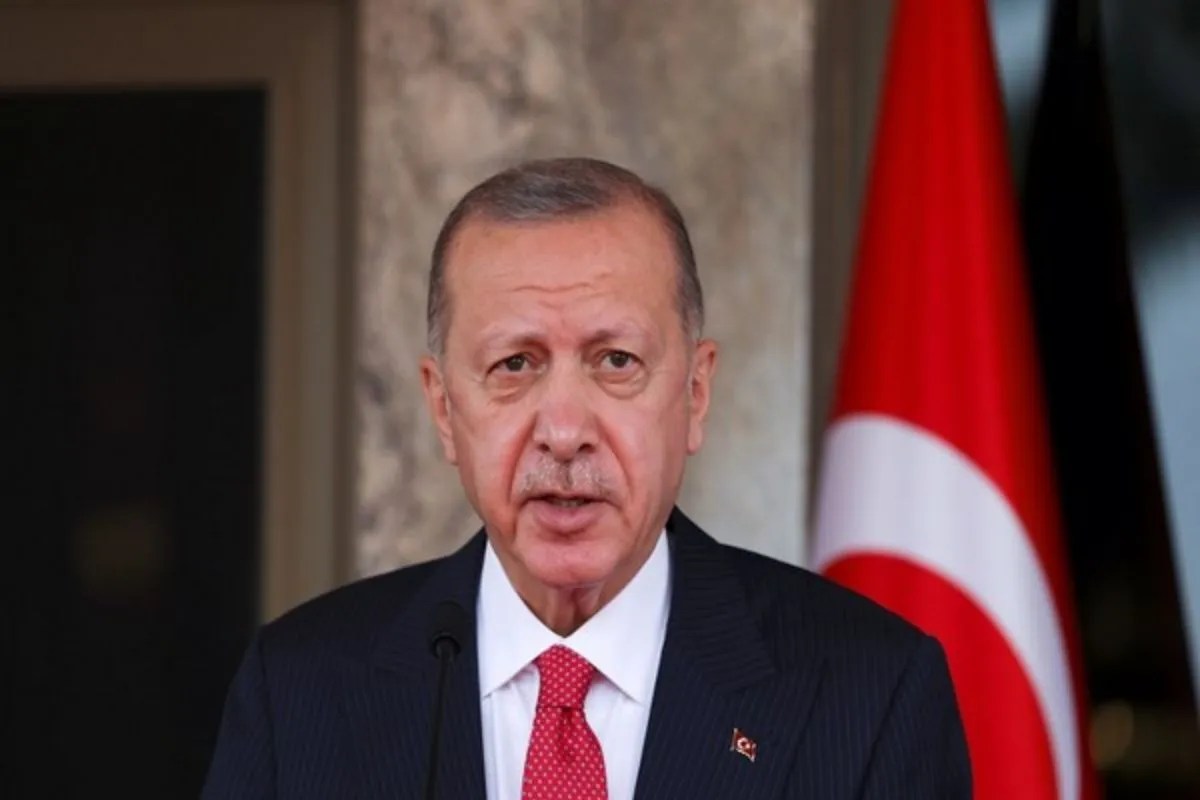
For decades, Western strategists viewed Turkey through a singular, comforting lens. Ankara was simply the southern anchor of NATO, a reliable bulwark against Soviet aggression, and a loyal partner holding the Bosporus straits. That mental map is obsolete. President Recep Tayyip Erdogan has systematically dismantled the post-Cold War security architecture. He is pursuing an independent imperial trajectory that treats Western security guarantees as a shield for regional assertiveness while undercutting Western interests from the Eastern Mediterranean to the Caucasus and the Horn of Africa.
This is not accidental drift. It is a calculated grand strategy born of disillusionment, historic ambition, and hard-nosed transactional diplomacy.
The Myth of the Obedient Ally
Alliance management relies on predictability. Turkey has abandoned predictability.
Consider the air defense paradox. A core member of the North Atlantic Treaty Organization purchased the S-400 missile system from Russia, a direct and brazen security threat to allied stealth technology, specifically the F-35 fighter jet program. Washington responded by booting Turkey out of the F-35 consortium. Ankara did not back down. Instead, Turkish state planners accelerated domestic defense manufacturing, turning the embargo into an unexpected catalyst for indigenous military production.
Bayraktar drones now dominate battlefields from Ukraine to Nagorno-Karabakh and North Africa. This aerospace autonomy has transformed Turkey from a traditional weapons importer into a primary exporter of regional conflict management.
Erdogan discovered a fundamental truth about modern geopolitics. By straddling the fence between Moscow and the West, Ankara extracts maximum concessions with minimum accountability. Western capitals grumble behind closed doors, but they swallow each provocation. They fear that pushing Turkey too far will drive Ankara permanently into the arms of the Kremlin or Beijing.
The Neo-Ottoman Blueprint on the Map
Empire is rarely declared overnight. It is built through logistics, forward-deployed military bases, and commercial dependency.
Look at the geography of Turkish projection. Turkish troops maintain a permanent footprint in northern Cyprus, northern Syria, Iraq, and Libya. A sprawling military facility in Mogadishu anchors Turkish influence over East African shipping lanes and the Red Sea corridor. In the Caucasus, Turkish backing transformed the 2020 Nagorno-Karabakh war, permanently shifting the regional balance of power away from Moscow and Tehran toward a Ankara-Baku axis.
This military footprint is backed by institutional engineering. The Organization of Turkic States brings together Azerbaijan, Kazakhstan, Kyrgyzstan, Uzbekistan, and observer states like Turkmenistan and Hungary. Official rhetoric frames this grouping as cultural preservation. The underlying reality is far more transactional. It creates a unified economic and logistical bloc spanning from the Aegean Sea to the borders of China.
Energy corridors tell the same story. The TurkStream pipeline bypasses traditional European-controlled transit routes, cementing Russia and Turkey as joint gatekeepers of European energy security. Turkey wants to be the absolute bottleneck for any gas moving from Central Asia, the Caspian, or the Middle East into European markets. When you control the valve, you control the foreign policy of your neighbors.
The Domestic Engine Driving Foreign Ambition
Foreign policy is domestic politics with blood and treasure. Turkey’s aggressive foreign posture is inextricably linked to the survival calculus of the ruling Justice and Development Party.
Decades of economic turbulence, currency devaluation, and inflation have battered the Turkish working class. Traditional governance metrics offer little comfort to voters staring down the cost of living crisis. In this environment, hyper-nationalism and imperial nostalgia serve as potent political anesthetic.
Every successful drone strike, every diplomatic snub of European leaders, and every independent military intervention is broadcast across state-aligned media as proof of Turkish resurgence. The narrative is clear. A strong leader is restoring the nation to its historic great-power status, despite the conspiracies of Western capitals.
This creates a self-reinforcing cycle. Domestic economic vulnerability requires foreign policy bravado to maintain voter mobilization. Foreign policy bravado alienates Western investors, which deepens domestic economic vulnerability. Turkish leadership solves this structural trap not by reforming domestic monetary policy, but by finding new external patrons—from Gulf sovereign wealth funds to Russian capital—willing to inject liquidity without demanding human rights or democratic reforms in return.
The Structural Failure of Western Deterrence
How did NATO allow this member state to carve out an autonomous empire within the alliance?
The answer lies in bureaucratic inertia and geographic determinism. The Bosporus and Dardanelles straits remain governed by the 1936 Montreux Convention, giving Turkey total legal control over naval access to the Black Sea. No American or European strategist wants a complete rupture with the power that controls the maritime gateway to southern Russia.
Furthermore, Turkey acts as the ultimate human shield for Europe's migration anxieties. Millions of Syrian and Middle Eastern refugees reside inside Turkish borders under a fragile containment deal funded largely by the European Union. Erdogan knows that threatening to open the gates and flood European borders with asylum seekers is an atomic deterrent in diplomatic negotiations.
Western capitals have normalized crisis management over strategic resolution. They treat each Turkish challenge—whether it involves drilling rights in the Eastern Mediterranean, blocking Nordic NATO enlargement, or maintaining trade ties with sanctioned actors—as an isolated diplomatic hiccup rather than a systematic symptom of an empire in the making.
The Unspoken Endgame
The transatlantic alliance was built on shared values and mutual defense against a singular adversary. Today, Turkey views the alliance merely as a useful umbrella while it constructs a post-Western destiny.
Ankara is betting that the global order is fragmenting into regional spheres of influence dominated by transactional middle powers. In that multipolar future, loyalty to a declining American hegemony is a liability, while sovereign flexibility is the only currency that matters.
The security architecture of Europe rests on a foundation that is quietly rotting from within, and nobody in Washington or Brussels has the stomach to tear it down and start over.