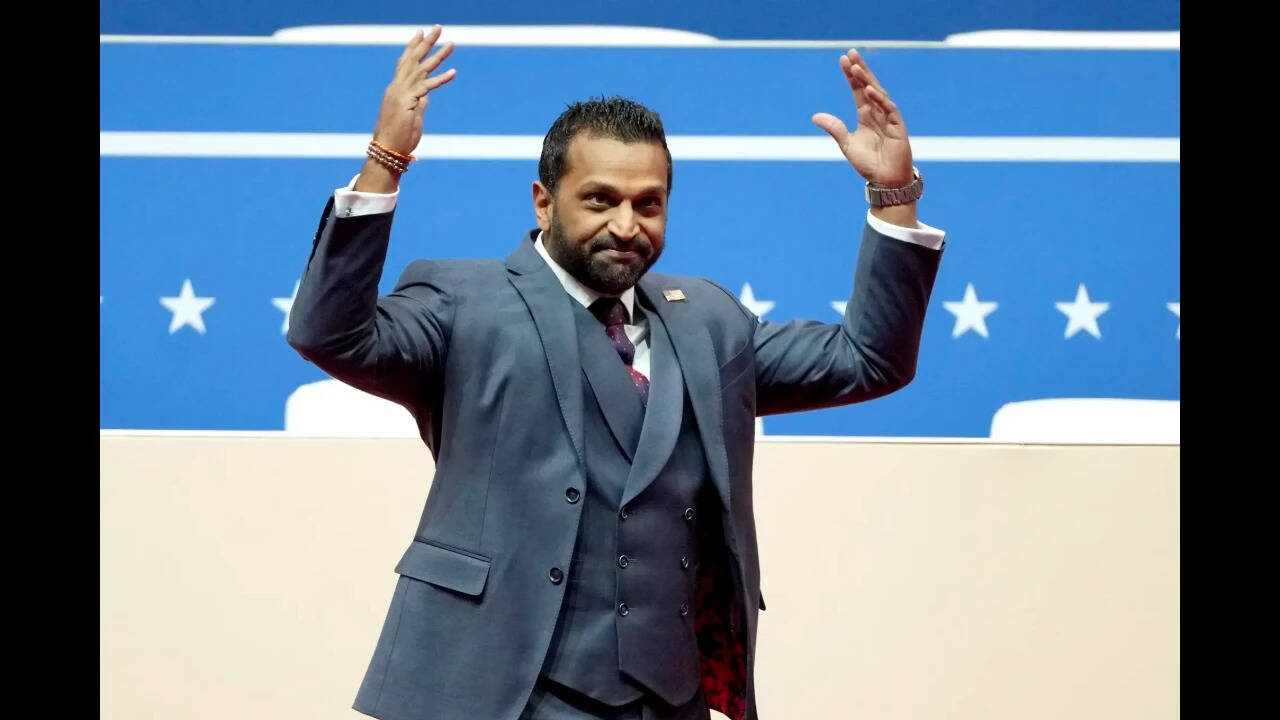
FBI Director Kash Patel is taking a $250 million sledgehammer to The Atlantic. In a 19-page defamation lawsuit filed in the District of Columbia, Patel alleges the magazine published a "malicious hit piece" designed to force him from office through fabricated tales of excessive drinking and professional incompetence. The suit targets specific claims that Patel was "MIA" during national security crises and that his security detail once needed tactical breaching equipment just to wake him after a night of heavy drinking. This is not just a dispute over a bad headline; it is an all-out war on the use of anonymous sources to define high-ranking government officials.
The Midnight Breaching Equipment Allegation
The most explosive detail in the lawsuit involves a claim that members of Patel’s security detail requested "breaching equipment"—tools normally reserved for SWAT teams to break down doors—because they could not wake the Director behind a locked door. The Atlantic framed this as the result of "conspicuous inebriation." Patel’s legal team calls the story a total fabrication.
According to the complaint, these incidents never happened. The suit argues that the magazine relied on "sham sources" who were either highly partisan or entirely removed from Patel’s inner circle. For a journalist, the "breaching equipment" detail is the kind of specific, colorful anecdote that makes a story go viral. For a lawyer, it is a high-risk gamble. If Patel can prove that no such request was ever made to the Justice Department or the White House, the magazine’s defense of "truth" begins to crumble.
The April 10 Technical Freak Out
Journalist Sarah Fitzpatrick reported that on April 10, Patel suffered a "freak-out" after being locked out of an internal computer system. The article claimed he became convinced President Trump had fired him and began frantically calling allies to save his job. Patel’s lawsuit counters that this was a routine technical glitch, common in the high-security environment of the FBI, and was resolved within minutes.
The lawsuit asserts that nine sources supposedly confirmed this "outreach," yet the FBI’s Office of Public Affairs had warned the magazine before publication that the story was false. This brings us to the crux of the legal battle: Actual Malice. Because Patel is a public official, he must prove the magazine acted with a reckless disregard for the truth. His lawyers argue that by ignoring the FBI's direct denials and a 19-point pre-publication rebuttal letter, the magazine crossed the line from aggressive reporting into actionable defamation.
Two Hours to Respond
The timeline of the article’s publication is a central pillar of the lawsuit. Patel’s attorney, Jesse Binnall, received a request for comment on 19 separate, highly detailed allegations at 2:09 p.m. on a Friday. The deadline provided was 4:00 p.m. that same day.
"Defendants' conscious decision to ignore the detailed, specific, and substantive refutations... is among the strongest possible evidence of actual malice," the complaint reads.
In the world of high-stakes investigative journalism, a two-hour window for a subject to respond to a career-ending story is often viewed by courts as a "check-the-box" exercise rather than a good-faith effort at accuracy. The suit argues the magazine had already decided on its narrative and viewed Patel’s response as a mere formality to be ignored.
The Private Clubs and the Poodle Room
The Atlantic claimed Patel was a fixture at "Ned’s" in Washington and the "Poodle Room" in Las Vegas, alleging he was often visibly intoxicated in front of administration staff. The report suggested that morning briefings at the FBI had to be pushed back because Patel was recovering from "alcohol-fueled nights."
Patel’s lawsuit is categorical: he does not drink to excess at these locations "or anywhere else." This sets up a "he said, they said" scenario that will likely require testimony from the anonymous sources the magazine used. If the case proceeds to discovery, The Atlantic may be forced to reveal its sources or face a default judgment. Protecting a source is the highest tenet of journalism, but in a $250 million defamation suit, that protection becomes an expensive liability.
National Security or Character Assassination
The narrative pushed by the media suggests that Patel’s alleged lifestyle makes him a "national security vulnerability." They argue that a director who is "unreachable" during a domestic terrorist attack is a threat to public safety. Patel views this as a calculated attempt by the "Deep State" to remove a director who was handpicked to "clean up" the bureau.
The White House has stood by Patel, citing a plummeting crime rate and the successful prosecution of high-profile criminals during his tenure. This creates a stark divide between the internal DOJ officials whispering to the press and the official line coming from the West Wing.
The Stealth Edit and the $250 Million Stakes
Over the weekend following the initial publication, the magazine changed the headline from "Kash Patel's Erratic Behavior Could Cost Him His Job" to "The FBI Director Is MIA." Patel’s legal team calls this a "stealth edit," suggesting it reflects the magazine’s own insecurity about the initial framing of the story.
This is not Patel’s first rodeo. He currently has another pending lawsuit against an MSNBC analyst over similar claims regarding his presence in nightclubs versus FBI headquarters. By seeking $250 million, Patel is sending a message to every newsroom in the country: if you rely on anonymous whispers to attack my character, you better have the receipts.
The legal standard for defamation is high, but the evidence of a rushed publication and ignored denials gives Patel a path to victory that many media analysts did not expect. The outcome will likely hinge on whether the "breaching equipment" and "computer freak-out" stories can be verified by anything other than hearsay. If they can't, The Atlantic might find itself in a financial hole that no amount of prestige can fill.
Directly confront the source material in discovery.


:strip_icc()/pic2513216.jpg)