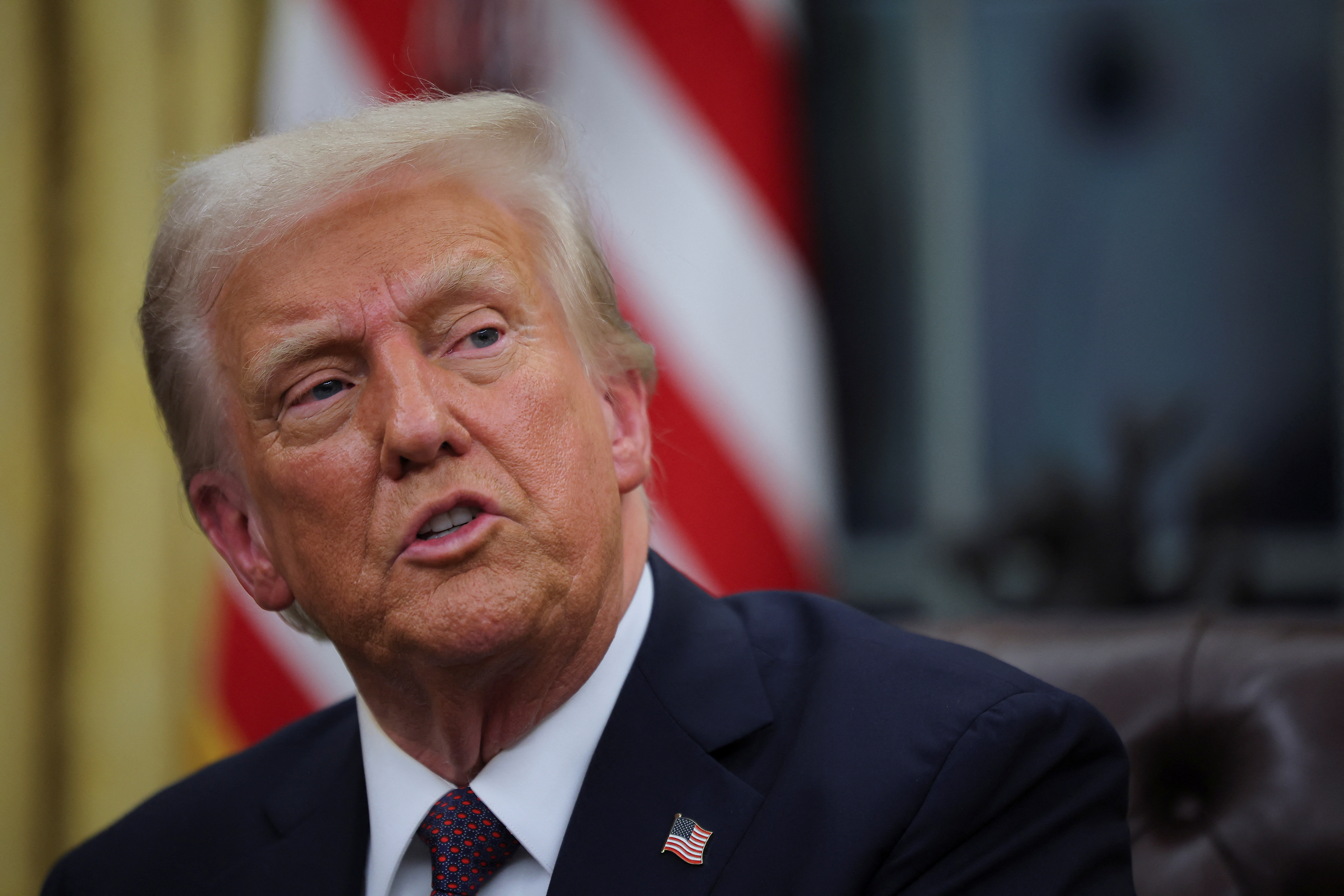
US President Donald Trump recently declared that Iran is experiencing a humanitarian crisis of epic proportions, pointing to an unprecedented wave of executions targeting anti-government protesters alongside systemic failures to pay military personnel. Behind these stark pronouncements lies a grinding reality of economic collapse, escalating regional conflict, and a desperate clerical establishment struggling to retain control through institutionalized terror.
The mechanics of this crisis extend far beyond standard geopolitical posturing. Understanding how Tehran reached this breaking point requires examining the intersection of monetary ruin, internal security crackdowns, and a financial squeeze orchestrated by Washington.
The Anatomy of Financial and Military Fracture
When a state stops paying its armed forces, the foundational contract of authoritarian survival begins to dissolve. Recent intelligence and financial assessments indicate that the Islamic Republic of Iran faces severe deficits, rendering it unable to compensate large segments of its military apparatus. This lack of liquidity is not an isolated administrative glitch. It is the direct downstream effect of crippling sanctions and military expenditures that have drained sovereign wealth reserves.
The collapse of the Iranian rial triggered mass protests across more than 180 cities. What began as localized outrage over the cost of living quickly crystallized into an existential challenge to the clerical regime.
- The initial wave of unrest in late 2025 and early 2026 brought millions into the streets.
- State security responses resulted in thousands of fatalities, according to human rights organizations.
- Subsequent military friction and targeted international strikes accelerated the erosion of state infrastructure.
When cash reserves evaporate, regimes typically choose between two paths. They either reform or they intensify coercion. Tehran chose coercion, escalating the machinery of capital punishment to preemptively crush any resurgence of dissent.
The Escalation of State-Sanctioned Executions
Human rights monitors have tracked a sharp upward trajectory in judicial killings since the outbreak of broader hostilities in early 2026. Dossiers compiled by organizations such as the Abdorrahman Boroumand Center and international bodies like the United Nations reveal a systematic pattern. Individuals detained during the initial street demonstrations face rushed trials on national security charges, resulting in execution numbers that match the darkest periods of the regime's history.
The strategy relies on psychological saturation. By executing prominent detainees and random citizens alike, the apparatus attempts to manufacture compliance through exhaustion and terror.
"The use of capital punishment to silence dissent, intimidate communities, and punish individuals exercising their human rights can never be justified," noted a joint statement endorsed by more than thirty nations condemning Tehran's judicial practices.
Yet, international condemnation has run into a wall of regime defiance. Isolated from traditional diplomatic levers, the clerical leadership views internal dissent not as a political challenge to be managed, but as an existential threat requiring total elimination.
Operation Economic Outcast and the Noose Tightening
While the humanitarian toll mounts internally, Washington has ramped up economic warfare designed to sever the regime's remaining financial arteries. The United States Treasury Department launched an aggressive campaign targeted explicitly at isolating Iran's remaining financial networks and secondary trade routes.
This economic offensive targets discrete vulnerabilities:
- Shipping Networks: Tracking illicit oil transfers and maritime conduits used to bypass international embargoes.
- Digital Assets: Closing loopholes where cryptocurrency and digital tokens are leveraged to move capital across borders.
- Third-Party Compliance: Establishing strict timelines for foreign entities trading with Tehran, forcing a choice between global dollar-based banking systems and trade with a sanctioned state.
Treasury officials have made it clear that nations maintaining commercial ties with Iran face imminent exclusion from core Western financial architecture. This pressure multiplies the domestic misery. As state revenues shrink toward zero, the capacity to subsidize basic goods vanishes, leaving ordinary citizens trapped between state violence and economic starvation.
The Strategic Dilemma Ahead
The convergence of internal terror and external strangulation leaves the regime with vanishingly narrow margins for error. While hardliners within the security apparatus continue to rely on the gallows to maintain order, this reliance signals structural weakness rather than enduring strength. A government that must execute citizens simply for expressing grievance has already lost the mandate to govern. The unfolding crisis inside Iran is no longer just a domestic security matter. It is a slow-motion institutional collapse playing out on a national stage, where every execution deepens the chasm between the rulers and the ruled.


