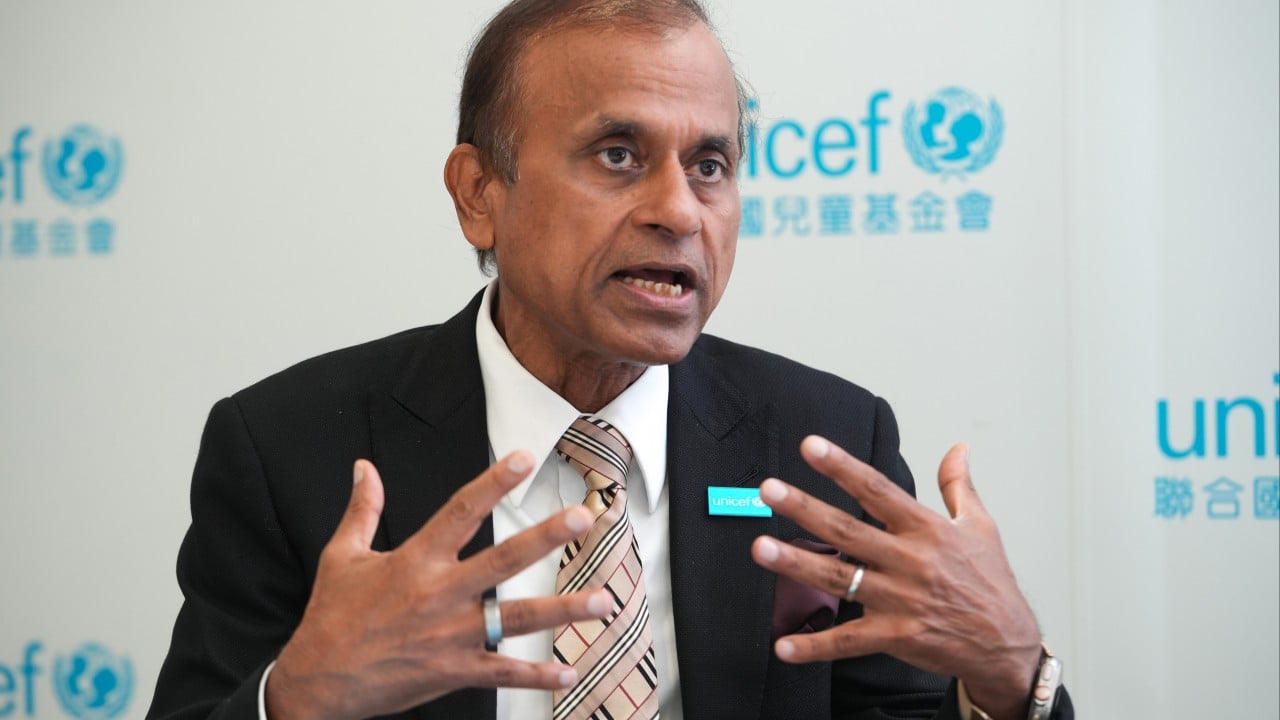
The birth rate in Hong Kong is not just dropping. It is evaporating. Official tallies show births plunging below the thirty thousand mark, cementing an existential demographic freefall that policy adjustments have failed to stop. Into this quiet panic steps international bureaucracy, offering a surprising diagnosis. A former United Nations official recently suggested that this historic population slump might actually present an economic silver lining.
That claim sounds absurd on its face. Fewer babies mean fewer taxpayers, a shrinking labor pool, and an accelerating gray wave that will strain medical infrastructure past its breaking point. Yet the argument rests on a shift in perspective. Fewer children mean smaller class sizes, reduced immediate strain on maternal healthcare systems, and an opportunity to restructure a hyper-dense urban enclave into an intentional, high-investment habitat.
Can an acute demographic winter be converted into a structural upgrade? Or is framing sub-replacement fertility as an opportunity merely administrative spin meant to comfort anxious markets?
To understand why a former UN coordinator sees daylight in these grim numbers, one must examine the physical reality of daily life in the territory. Housing costs remain astronomical, locking young professionals into subdivided flats where raising a child is logistically impossible. Work culture demands crushing hours that penalize anyone attempting to balance a career with family obligations.
When people stop having children, they are casting an unvarnished vote of no confidence in their immediate physical surroundings. They are signaling that the city is built for extraction rather than habitation.
If authorities take the low fertility crisis seriously, they are forced to rethink urban space. Schools that face chronic under-enrollment do not need to be shuttered automatically. They can be re-engineered. Class sizes can shrink from thirty-five students to fifteen, allowing for pedagogical models that are structurally impossible under mass schooling conditions. Pediatric and maternal clinics can pivot toward comprehensive preventative care rather than triage.
Real estate offers another vector of transformation. For decades, property developers built microscopic apartments because the market demanded maximum yield per square foot. With fewer family units forming organically, public policy can finally force developers to build larger, liveable spaces by shifting land-grant conditions.
Skeptics point out that cash handouts and superficial marketing campaigns have utterly failed to move the needle. A small baby bonus check does nothing to alter a work-life balance that requires eighty hours a week in an office. A government wishing to capitalize on low birth rates must stop treating the symptom with charity and start overhauling the economic contract of the city.
Consider a hypothetical city model where public housing prioritizes young workers not based on marriage status, but on community contribution, effectively lowering the cost of basic survival. When the baseline cost of breathing and sleeping drops, human behavior shifts organically. People do not need inspirational posters urging them to reproduce. They need breathing room, security, and a reasonable expectation of stability.
The danger lies in treating population decline as an excuse for complacency. Some technocrats argue that immigration from mainland China can perpetually patch the demographic deficit without requiring domestic reform. That approach dodges the core issue. Relying exclusively on external labor without fixing the internal ecosystem creates a pressure cooker where citizens feel alienated in their own home.
Hong Kong stands at a severe crossroads. The drop in fertility is a blunt instrument exposing every fracture in the local economy, from predatory real estate to obsolete labor expectations. Reframing this decline as an opportunity requires ruthless administrative honesty. It means admitting that the old model of high density and low support is dead.
The numbers will not reverse overnight. No policy paper or diplomatic optimism can magically convince exhausted professionals to expand their families in an unyielding concrete grid. What authorities can do is use this demographic pause to build a fundamentally different kind of metropolis. One designed around human scale rather than maximum capital velocity.
The alternative is a slow slide into an aged, hollowed-out financial outpost where nobody can afford to live, let alone grow.
Why is Hong Kong struggling to have more babies?
This video explores the financial pressures and lifestyle factors driving Hong Kong's declining birth rates and the broader implications for the city's future.
http://googleusercontent.com/youtube_content/1