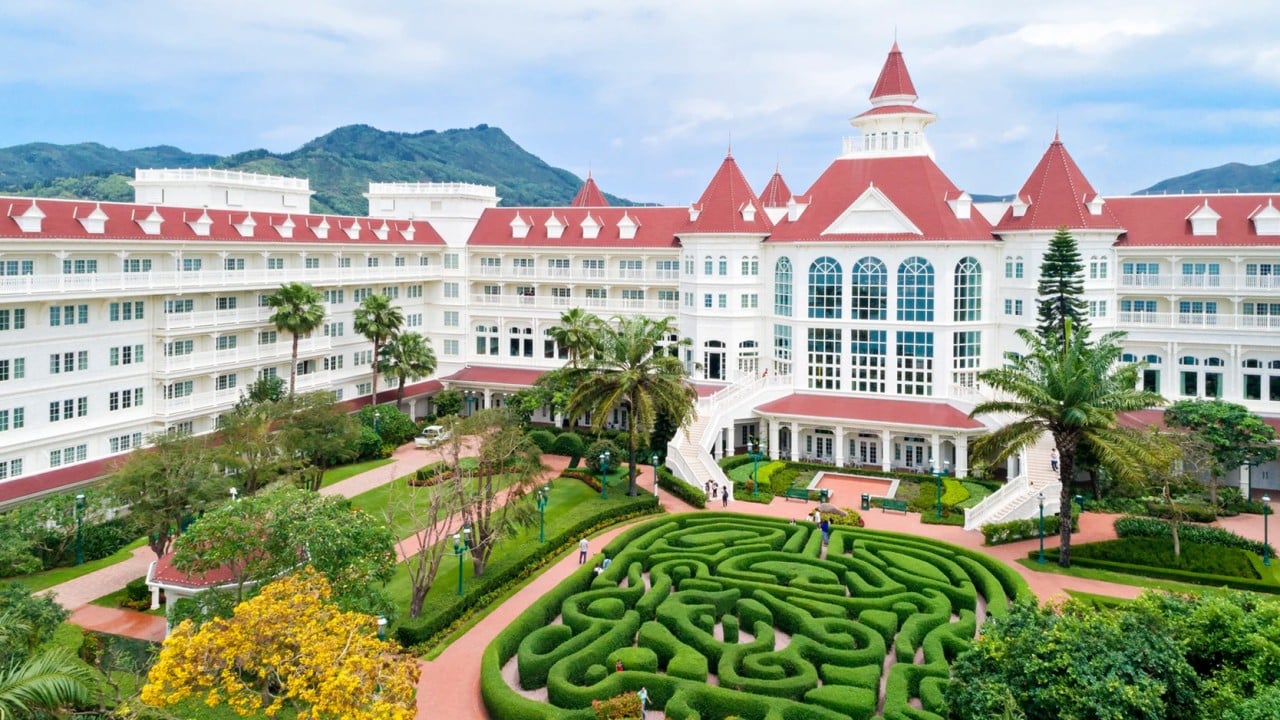
The closure notice dropped quietly on an industry bulletin board before rippling across global fan forums. Starting October 12, the flagship Hong Kong Disneyland Hotel will shutter its doors for an extensive multi-month transformation. On paper, hospitality brands call this routine capital expenditure. Behind the scenes, analysts tracking the Asia-Pacific tourism sector recognize a desperate bid to capture a shifting demographic.
Hong Kong Disneyland is executing a high-stakes pivot. Park leadership knows that standard Victorian-era luxury no longer satisfies the modern visitor base originating from mainland China and Southeast Asia. Theme park operators must constantly inject capital into aging physical assets to remain competitive against aggressive regional rivals like Universal Studios Beijing and Shanghai Disneyland.
The Economics of Upgrades
Properties of this scale do not shut down their primary revenue generators on a whim. The Hong Kong Disneyland Hotel serves as the financial anchor for the resort's multi-day vacation package strategy. When a signature hotel goes offline, room nights drop, average daily rates freeze, and food and beverage yields plummet.
Corporate finance departments weigh these short-term losses against long-term asset degradation. If a hotel feels dated, guests reduce their length of stay. They treat the resort as a single-day excursion rather than a three-day destination.
Financial disclosures from the resort indicate that occupancy rates fluctuate heavily based on regional economic indicators. To justify higher room pricing, the property requires a complete architectural rethink. Management intends to strip out tired carpets, replace obsolete environmental controls, and modernize guest rooms to feature integrated smart technology.
Older luxury tropes featuring heavy mahogany and dark fabrics are out. Clean lines, regional storytelling elements, and family-centric configurations are in.
Shifting Demographics and Regional Pressures
The visitor profile of Hong Kong Disneyland has transformed dramatically over the past decade. Local passholders still provide a reliable baseline of attendance, but international travelers and mainland tourists drive profitability. These visitors demand contemporary comfort that matches what they experience in domestic metropolitan hubs like Shenzhen and Shanghai.
Shanghai Disneyland opened with brand-new intellectual property integrations and state-of-the-art hotel design. Hong Kong, operating the oldest resort in the Chinese market, has felt the pressure to modernize its physical footprint.
When the flagship hotel reopens, expect a heavy emphasis on thematic immersion. Modern hospitality design demands that a room tells a story without alienating the business or leisure traveler who just wants a quiet place to sleep.
Competitors in the region have raised the bar for what themed accommodation looks like. Universal Beijing relies on cinematic spectacle, while Shanghai leans into grand architectural fairy tales. Hong Kong must carve out a distinct identity that blends Victorian heritage with modern operational efficiency.
Operational Realities for Travelers
Anyone holding a reservation during the closure window faces immediate displacement. Resort officials have rerouted guests toward the remaining operational properties on the property, primarily the Disney Explorers Lodge and the Hong Kong Disneyland Hotel's sister resort, the Disney Hollywood Hotel.
This consolidation creates a supply bottleneck. Room inventory across the entire resort shrinks significantly during the construction timeline. Travelers planning an autumn or winter getaway will notice immediate price inflation at remaining properties due to compressed supply.
Frequent visitors understand the logistical friction of a partial resort shutdown. Transportation loops shift, dining options narrow, and the general atmosphere loses some of its multi-property breathing room.
Property renovations of this magnitude rarely finish ahead of schedule. Supply chain hurdles for custom-themed furniture and specialized architectural finishes often stretch project timelines. Guests booking for early next year should monitor official completion announcements closely before locking in non-refundable flights.
The hospitality industry watches these large-scale renovations with keen interest. If Hong Kong Disneyland successfully repositions its flagship hotel, it validates the heavy capital expenditure required to keep legacy theme park resorts relevant in a hyper-competitive global tourism market.
The construction walls go up on October 12. What emerges from behind them will dictate the commercial viability of the resort for the next decade.