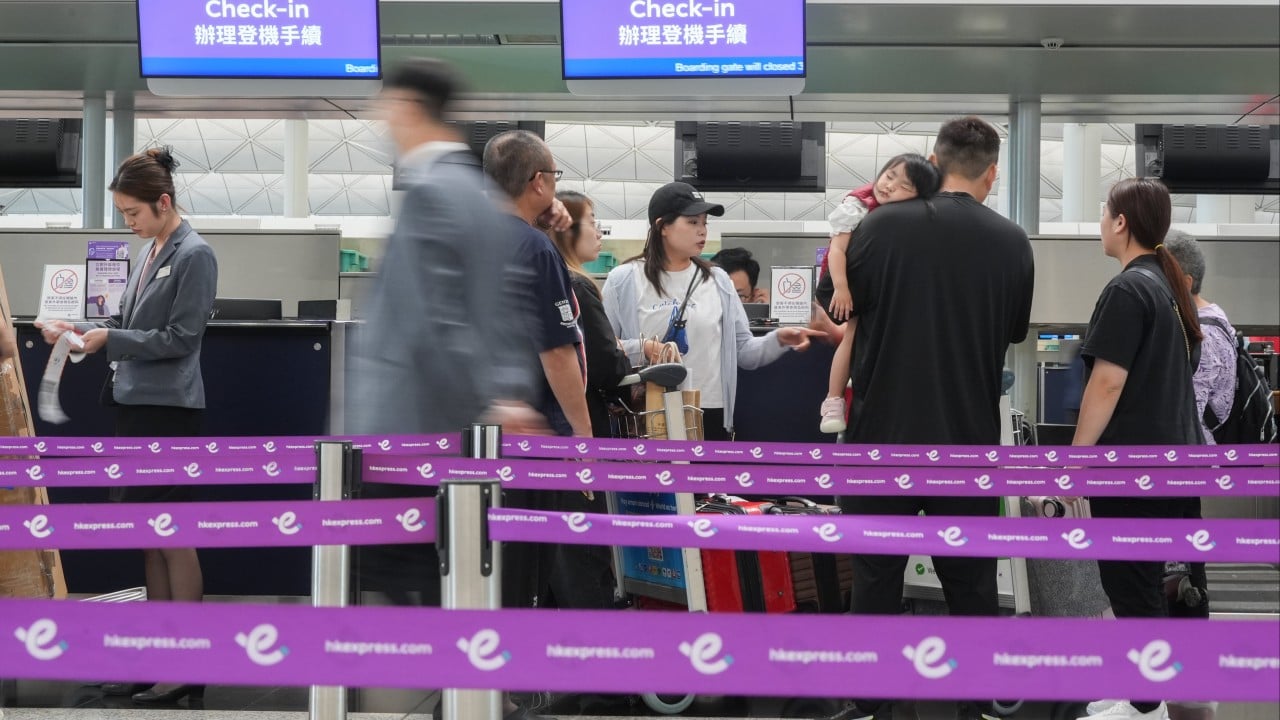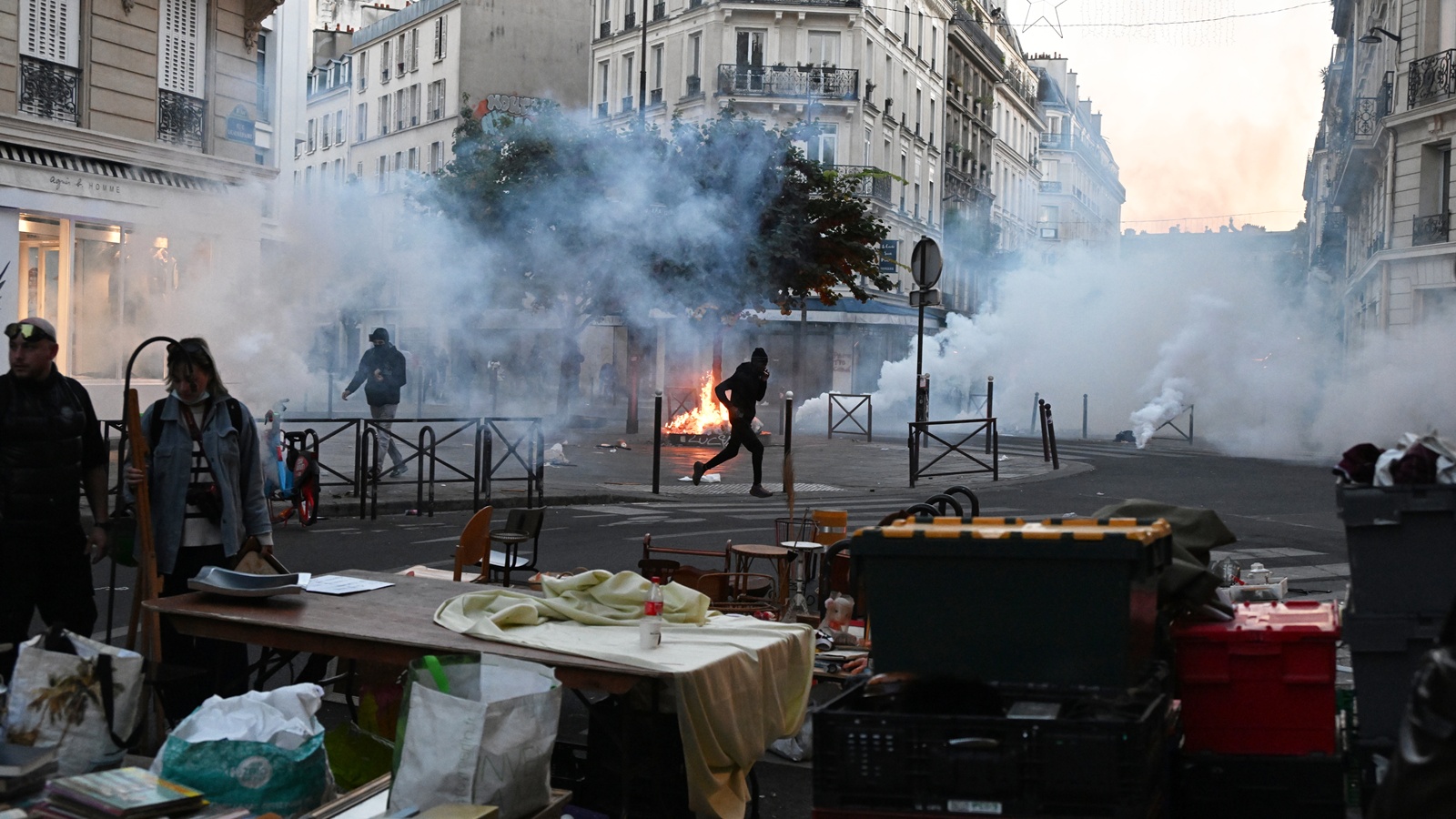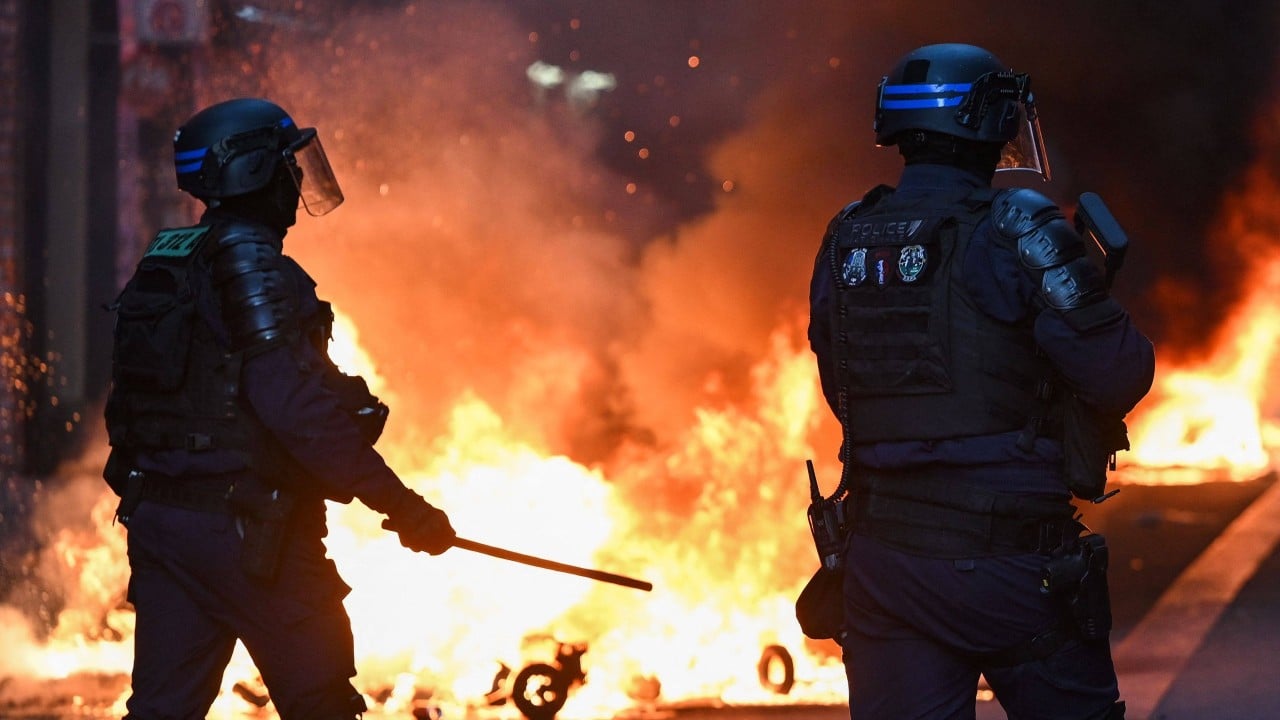
Hong Kong tour operators are rerouting coaches and trimming French itineraries while local schools cancel or scale back planned trips after violent protests and riots flared across France in October 2026. Following the eruption of street clashes, looting, and fires—and the Hong Kong Special Administrative Region government's issuance of an amber outbound travel alert for France on October 20—agencies pulled France-bound tour groups and schools began weighing whether students and teachers should fly to Paris at all.
Surface headlines treat the story as a straightforward clash between street unrest and tourist caution. Anyone who has spent two decades watching outbound travel from Hong Kong knows that street tear gas is only the visible layer. The real friction happens inside school boardrooms, insurance underwriting desks, and coach dispatch centers where duty of care collides with sunk deposits and unpredictable urban geography.
Why Street Unrest Hits Tour Logistics Harder Than Headlines Suggest
Protests in France rarely stay confined to a single square for long. Demonstrations over rising living costs, school conditions, unions, and disputes over artificial intelligence data centers expanded into severe unrest around mid-October 2026, bringing clashes, store looting, arson, partial curfews in major cities, and heavy police deployments. Interior Ministry figures pointed to hundreds of thousands of demonstrators nationwide on October 24, with over 100,000 in Paris and nightfall clashes flaring in both Paris and Marseille.
For a casual reader, a peaceful daytime march looks manageable. For a tour leader sitting behind a motorcoach windshield, a march that turns volatile after dusk changes everything.
A tour itinerary is a schedule built on open roads, predictable museum drop-offs, and timed hotel check-ins. Riots break all three at once.
When unrest hits central districts in Paris or port cities like Marseille, road closures cascade outward. A coach that normally moves a group from a hotel near the ring road to a central monument can suddenly get trapped near a flashpoint. EGL Tours reported that one of its groups encountered protests near the Louvre on October 17 before police cleared a path for the coach. Getting escorted out by police sounds reassuring on paper, yet in practice it means scraped schedules, stressed passengers, and zero margin for error if a demonstration shifts direction.
Operators also face an asymmetric risk calculation. Even when a planned conference or cultural event sits miles away from the main protest corridor, transit lines feeding the venue can stall. A student or leisure traveler does not have to stand inside a riot to get caught in crowd crush, sudden transit shutdowns, or stray debris. Moving a group of thirty or forty people through a city under partial curfew or heavy riot-police presence is a logistical headache no tour manager wants to gamble on.
The School Trip Dilemma When Duty of Care Meets Sunk Costs
School trips carry a weight that commercial holiday packages never do. When nearly 600 students and teachers from more than thirty secondary schools and universities in Hong Kong weigh cancelling November trips to Paris, principals and sponsoring bodies are not just reading travel news. They are answering to parents, boards, and education regulators.
Sponsoring organizations such as Po Leung Kuk have urged schools to communicate closely with stakeholders and put student safety first when deciding how to proceed. That advice is sound, yet every school leader knows how messy the decision tree gets in real life.
Consider a hypothetical example to see how the math plays out. Suppose a Hong Kong secondary school booked airfare, accommodation, and event registration months ahead for twenty-four students and three teachers to attend an autumn program in Paris. Once unrest escalates and an amber travel alert is posted, cancelling outright protects physical safety cleanly. Still, non-refundable deposits, administrative fees, and partial insurance payouts mean the school or families may absorb real financial losses.
Switching to online participation or trimming the itinerary to avoid central protest zones offers a middle ground. It preserves part of the academic purpose without exposing teenagers to volatile streets. Yet hybrid attendance strips away the cultural immersion that justified overseas travel in the first place, leaving educators to explain why a flagship exchange shrank to a screen or a shortened schedule.
| Option | Safety Profile | Financial & Logistical Trade-Off |
|---|---|---|
| Full Cancellation | Highest physical protection from street unrest | Potential unrecovered costs; partial insurance coverage under amber alert |
| Scaled or Rerouted Itinerary | Avoids known protest corridors and curfews | Requires rapid supplier rebooking and tighter supervision |
| Online or Remote Attendance | Eliminates overseas travel exposure entirely | Loses on-site cultural exchange and group travel value |
Insurance Fine Print Under an Amber Alert
Travelers and school administrators often assume a government travel warning acts like a magic switch that unlocks full refunds. It rarely works that cleanly.
When the Hong Kong government issued an amber outbound travel alert for France, the Hong Kong Federation of Insurers noted that coverage under an amber advisory typically applies to part of cancellation losses rather than automatically blanketing every expense. Policy wording matters enormously here. Some policies distinguish between pre-existing awareness of unrest, specific named events, and non-refundable supplier charges.
Schools buying group policies have to read exclusions line by line. If a policy covers partial cancellation costs under an amber alert but excludes losses tied to general civil commotion unless specific thresholds are met, the gap lands squarely on the budget. Experienced organizers know to check claim documentation rules immediately—dated advisories, airline schedule changes, and formal cancellation notices—before assuming money will come back.
How Rerouting Ripples Across Neighboring European Markets
When France stumbles, the shockwave rarely stops at the border. Travel agency representatives in Hong Kong noted that alongside pulling France-bound tour groups after the amber alert, inquiries for neighboring Spain and Italy also softened.
Multi-country European itineraries are a staple of long-haul outbound travel. A classic route might pair Paris with Barcelona or northern Italy, using major European hubs and rail or air links to connect destinations. When unrest flares in France, travelers who had booked a combined trip hesitate over transit connections, changing border conditions, or the broader mood of European street protests.
A single flashpoint in a major hub can cool demand across adjacent countries even when streets in neighboring cities remain calm.
There is also a psychological spillover. Reports of protests over cost-of-living pressures and social strain across multiple European capitals make some travelers view the region as unsettled as a whole. Even if a tour avoids Paris completely and focuses on southern Europe, cautious buyers often hit pause until the news cycle cools down.
For tour operators, paring back France-related itineraries in the short term is a defensive move to protect brand trust. Pushing clients into tense neighborhoods—or acting as if nothing is happening—damages credibility far faster than a cancelled departure. Smart agencies shift departures toward less affected routes, build flexible routing options, and keep live communication open with ground handlers who know which avenues are open and which are blocked.
Practical Moves for Schools and Travelers Watching the Map
Nobody can control whether another weekend of demonstrations sparks clashes in a European capital. You can, however, control how exposed your group is before departure and how fast you pivot if conditions shift.
- Audit itinerary flexibility before paying balances: Favor bookings with free date changes or re-routing rights over rigid, non-refundable bundles, especially for student groups.
- Verify policy terms against alert levels: Check exact wording on amber outbound travel alerts and civil unrest clauses so you know what is covered partially versus what stays out of pocket.
- Build geographic buffers into schedules: Keep groups clear of high-friction protest zones and avoid late-evening movement in areas experiencing curfews or clashes.
- Prepare a remote or alternative fallback early: For school programs tied to conferences or workshops, confirm remote access or alternate venues well before departure dates.
Overseas education and group travel have always required nerves and contingency planning, and the current unrest in France is a sharp reminder that even classic destinations demand real-time judgment on the ground.