Fourteen pilgrims are dead following dual tragedies in eastern India, where a morning stampede at a crowded Hindu temple in Bihar and a deadly hotel fire in West Bengal exposed deep-seated structural vulnerabilities in regional crowd management and infrastructure safety.
The disasters occurred on Monday during the holy month of Shravan, a period that traditionally draws millions of worshippers to sacred sites across the country. Seven people lost their lives in a crowd crush at the historic Ashok Dham Temple in Bihar's Lakhisarai district, while a separate fire claimed another seven lives at a four-story hotel in the temple town of Tarapith, West Bengal. For a different view, see: this related article.
These synchronized catastrophes highlight a recurring systemic failure. Mass religious tourism in South Asia regularly outpaces the safety regulations and physical capacity of local host locations.
The Anatomy of the Bihar Temple Stampede
The chaos at the Ashok Dham Temple unfolded shortly after daybreak. Thousands of devotees had converged on the complex for the ritual offering of water to Lord Shiva during the third Monday of Shravan. Related analysis on the subject has been provided by NPR.
According to local administrative reports and eyewitness accounts, the disaster was triggered by a compound failure of logistics and infrastructure. Two local passenger trains arrived simultaneously at the nearby railway station just minutes before 6:45 a.m., dumping thousands of additional travelers directly onto the temple grounds.
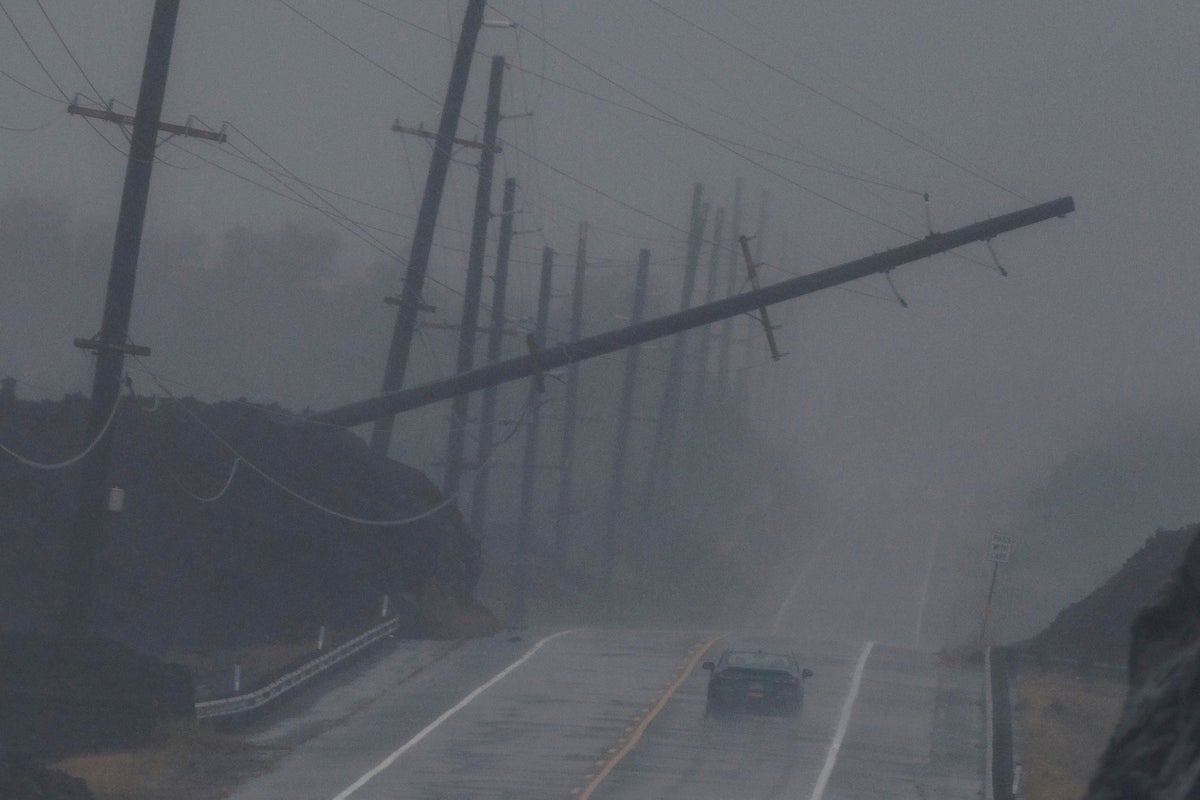
Simultaneously, a non-live utility cable or wire collapsed near the men's entry queue. Though the wire was inactive, the sudden drop sparked immediate panic among worshippers who feared a catastrophic electrocution hazard. As the dense crowd surged backward to escape the perceived danger, physical pressure overwhelmed the temporary iron barricades.
Metal barriers buckled under the weight. Worshippers fell into one another, creating a lethal crush in confined entry corridors. All seven fatalities recorded in Bihar were women who became trapped in the bottleneck before security personnel could restore order. More than a dozen others sustained injuries ranging from asphyxiation to severe fractures.
Pre-Dawn Fire in West Bengal
Hours before the disaster in Bihar, a separate tragedy struck the temple town of Tarapith in West Bengal's Birbhum district. At approximately 4:30 a.m., a fire broke out on the ground floor of a four-story hotel while most occupants were asleep.
The hotel was heavily populated by pilgrims visiting the prominent local shrine dedicated to Lord Shiva and other deities. Preliminary investigations by hotel management and local authorities point toward an electrical short circuit near the reception area's power supply system.
Flames were brought under control by local firefighters, but thick toxic smoke quickly filled the stairwells and upper corridors. Seven guests died at the scene or shortly after arrival at local medical facilities, primarily due to smoke inhalation and acute asphyxiation. Several others remain in critical condition with severe burn injuries.
Investigators are scrutinizing the property's compliance with fire safety codes, specifically regarding the availability of emergency exits, fire suppression systems, and clear evacuation pathways for budget lodgings catering to seasonal travelers.
Infrastructure Versus Devotion
Mass gatherings of this magnitude test the limits of municipal planning. During peak religious calendars, regional authorities face an immense logistical burden. Millions of citizens travel via dense rail networks to historic temple towns that were originally designed centuries ago for small-scale community worship.
When modern transportation systems inject thousands of visitors into narrow corridors simultaneously, the margin for error shrinks to near zero. Temporary metal barricades and reactive policing are often insufficient substitutes for permanent crowd-flow architecture and automated safety protocols.
Similarly, hospitality infrastructure in secondary and tertiary pilgrimage centers often operates outside strict regulatory enforcement. Budget hotels and pilgrim guest houses frequently lack basic fire suppression engineering, leaving sleeping occupants vulnerable to sudden electrical failures.
Governments frequently announce ex-gratia financial compensation packages for victims' families in the wake of such tragedies, including state-level disbursements announced by regional leaders following Monday's events. However, critics argue that reactive monetary relief does little to address the structural decay of public safety standards.
Preventing future loss of life requires a fundamental overhaul of regional disaster management. Authorities must mandate strict capacity caps, upgrade electrical grid networks surrounding major religious venues, and enforce commercial building codes for lodging facilities before peak festival cycles begin. Until systemic accountability replaces seasonal oversight, millions of worshippers will continue to walk paths built on precarious foundations.