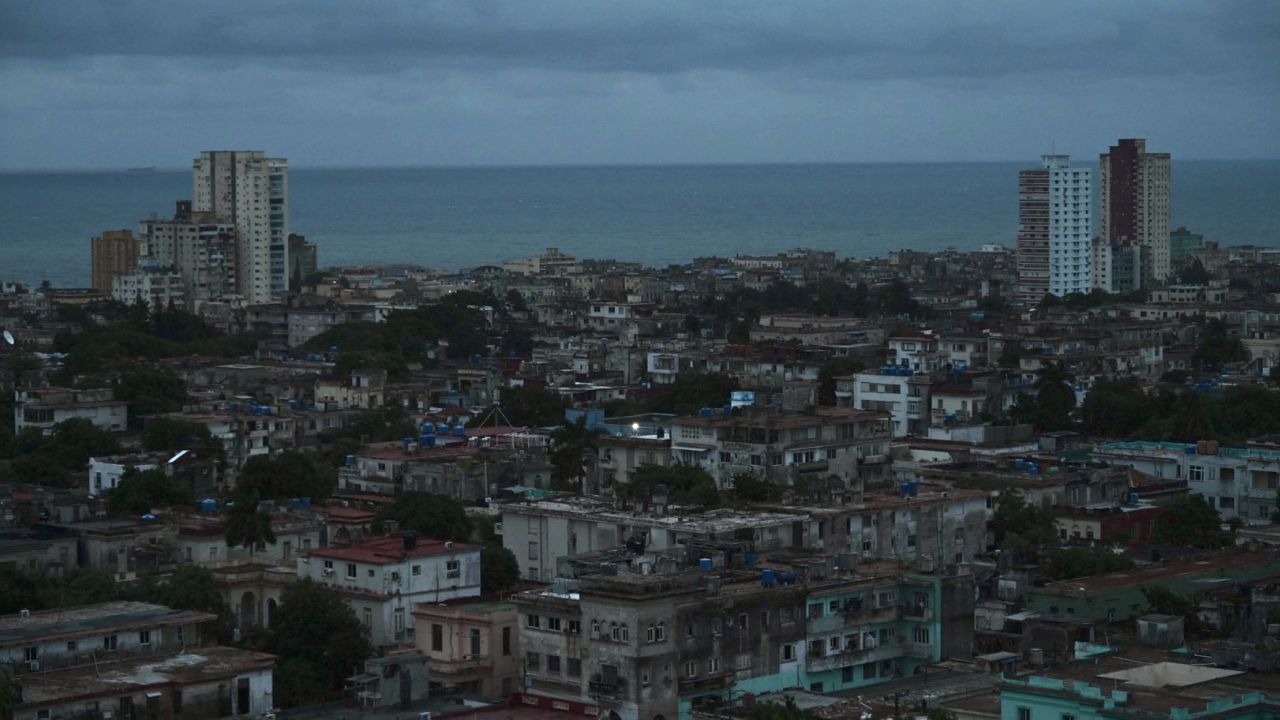
The lights in Havana do not just flicker anymore; they have largely stayed dark for the first quarter of 2026. While headlines focus on the usual geopolitical sparring between Washington and the Miguel Díaz-Canel administration, the ground reality is a systemic failure of a nation’s life support. Cuba is currently facing an energy deficit exceeding 1,700 MW, a gap that has left millions of citizens without power for 18 hours or more per day. This is not a temporary dip in the grid. It is the result of a precise "maritime noose" tightened by a January 29, 2026, U.S. executive order that has effectively scared off the island’s last remaining fuel lifelines.
The Weaponization of the Supply Chain
The mechanics of the current crisis are more complex than a simple embargo. Under the International Emergency Economic Powers Act (IEEPA), the U.S. has introduced a hybrid model of economic warfare: ad valorem duties on any country supplying oil to Cuba. This move was a tactical strike aimed at Mexico and Venezuela. When the U.S. signaled that continued oil shipments would trigger massive trade tariffs under the USMCA, the Mexican government was forced into a "sovereign decision" to suspend exports in early 2026.
The result was a 90% contraction in Cuba’s fuel supply within weeks. Venezuela, long the island's primary benefactor, saw its own export capacity crippled following the January 3, 2026, disruption of its political leadership. For the first time since the fall of the Soviet Union, oil imports to the island dropped to effectively zero in January.
A Grid Built on Borrowed Time
Even if fuel were to arrive tomorrow, the hardware meant to process it is failing. Cuba’s 16 thermoelectric plants were designed for an operational lifespan of roughly 100,000 hours. Most have exceeded that limit by decades. As of April 2026, nine thermal units are offline due to catastrophic breakdowns, including a massive boiler leak at the Antonio Guiteras plant in Matanzas that triggered a 29-hour nationwide blackout in mid-March.
The current energy output is roughly 1,278 MW against a peak demand of 3,000 MW. The math of survival does not add up. To compensate, the government has prioritized the tourism sector and state-run enterprises, leaving residential neighborhoods and the burgeoning private sector in the dark.
The Tourism Illusion and the GAESA Paradox
There is a glaring contradiction in how the Cuban state spends its dwindling reserves. While the healthcare and energy systems collapse, the government continues to funnel over 30% of its budget into hotel construction. Most of these buildings stand empty, with tourist occupancy rates plummeting 68% compared to pre-pandemic levels.
Investigative leads suggest that these investments, largely controlled by the military conglomerate GAESA, serve a purpose beyond hospitality. Critics argue these projects act as money-laundering vehicles or long-term asset hedges for the ruling elite, even as hospitals report they lack the fuel for ambulances or the electricity to keep basic refrigeration running for vaccines.
The Rise of the Private Fuel Market
In a desperate pivot, the U.S. Treasury’s Office of Foreign Assets Control (OFAC) recently introduced a "favorable licensing policy" (FAQ 1238) that allows the resale of Venezuelan oil to Cuba—but only if it bypasses the Cuban government and military. The goal is to empower the private sector, known as mipymes, to import fuel for their own operations.
This creates a two-tiered society:
- The Connected Minority: Private businesses and those with foreign remittances who can afford small, noisy diesel generators.
- The Dark Majority: The millions who rely on the state grid and now spend their nights in total darkness, navigating a world where water pumps fail and food spoils in a matter of hours.
Solar Dreams vs. High-Voltage Reality
Havana has pinned its hopes on a massive solar initiative. With credit and technology from China, the plan involves 92 solar parks intended to provide 2 GW of daily capacity by 2028. Currently, about 20% of the island's needs are met by these parks during daylight hours.
However, solar is a bandage on a broken limb. The existing transmission infrastructure is too decayed to handle the variable loads of renewable energy without significant storage capacity, which the island lacks. Without batteries to stabilize the grid frequency, the sudden drop in solar output during cloud cover or sunset often triggers the very cascading failures the government is trying to avoid.
The Cost of Attrition
The diplomatic theater in Havana, including recent meetings with U.S. lawmakers, suggests a regime looking for an exit ramp. President Díaz-Canel has publicly confirmed talks aimed at addressing the "energy blockade," but the U.S. position remains rigid: regime change or total economic paralysis.
As garbage piles up on Havana streets because trash trucks have no diesel, and the aviation sector grinds to a halt due to Jet A-1 shortages, the island is entering a state of functional stasis. The social contract is not just fraying; it has snapped. The strategy from Washington has succeeded in paralyzing the economy, but it has also created a humanitarian void that neither solar panels nor diplomatic rhetoric can fill.
The immediate future of Cuba will not be decided at a ballot box or a protest line, but at the fuel docks and the control rooms of the Antonio Guiteras power plant. If the grid does not find a stable source of fuel by the summer of 2026, the systemic collapse currently confined to the outskirts of Havana will become the island's permanent state of being.