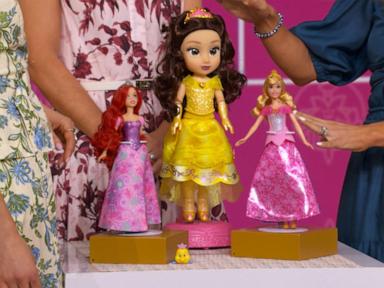
World Princess Week arrives each August with a predictable wave of press releases, pastel product drops, and manufactured excitement across Disney parks and digital storefronts. Behind the cheerful marketing of limited-edition Spirit Jerseys, Swarovski-studded dolls, and themed desserts lies a calculated corporate machinery designed to extract maximum value from adult collectors and nostalgic consumers. Disney Consumer Products does not simply celebrate intellectual property; it engineers artificial scarcity to transform childhood affection into a multi-billion-dollar retail engine.
Examining the mechanics of this annual event reveals how the Walt Disney Company shifted its commercial strategy away from traditional children's toy sales toward high-margin adult demographics. The introduction of daily rolling merchandise drops during the 2026 celebration—such as releasing a single exclusive princess Spirit Jersey per day—serves as a case study in modern retail manipulation. This approach forces dedicated fans into daily park visits or constant online monitoring, maximizing both foot traffic and digital engagement metrics.
The Evolution of Royal Consumerism
For decades, the princess line was straightforward. Plastic tiaras, polyester dresses, and basic dolls lined the shelves of mass-market retailers, aimed squarely at families with young children. The modern era operates under a vastly different economic model. Adult collectors, often referred to within fandom spaces as Disney Adults, now represent a primary target for high-end collaborations.
Partnerships with brands like Mattel Creations, American Girl, and Pandora shift the pricing architecture entirely. Items that once cost twenty dollars now command triple digits. A collector edition doll featuring Swarovski crystals or a designer blanket priced near two hundred dollars redefines the target audience. Disney recognized that individuals who grew up watching the Renaissance era of animation possess disposable income and a deep psychological attachment to their youth.
Traditional Toy Model vs. Modern Collector Strategy
--------------------------------------------------
Target: Young Children        Target: Adult Collectors & Families
Price Point: Low to Moderate  Price Point: Premium / Luxury
Volume: Mass Market           Volume: Artificial Scarcity / Limited Edition
Channel: Department Stores    Channel: Parks, D23, Direct-to-Consumer Online
This pivot mirrors broader shifts in the entertainment industry. When box office revenues fluctuate, intellectual property holders rely on consumer products to stabilize profit margins. World Princess Week functions as a concentrated promotional window designed to spike quarterly merchandise sales during a historically slow late-summer retail period.
Manufacturing Urgency Through Daily Drops
The 2026 rollout strategy offers a masterclass in behavioral economics. By allocating specific days to individual characters—Cinderella on Sunday, Aurora on Monday, Tiana on Tuesday—the company short-circuits rational purchasing behavior. Consumers experience the fear of missing out, prompting them to purchase items immediately rather than waiting for reviews or discounts.
The strategy relies on tight inventory controls. When supply is visibly restricted, secondary markets thrive. Resellers monitor park inventories and online storefronts within minutes of a drop, flipping limited-edition apparel on platforms like eBay before the week concludes. While Disney absorbs the initial retail revenue, this secondary market activity reinforces the perceived prestige and collectibility of the items, fueling demand for subsequent marketing blitzes.
Even culinary offerings receive the corporate merchandising treatment. Specialty treats across Walt Disney World properties are cataloged, photographed, and promoted across digital channels as temporary experiences. Visitors navigate multiple resorts just to photograph a themed eclair or a specific flavored Dole Whip, effectively turning park patrons into unpaid brand ambassadors on social media platforms.
The Psychology of Nostalgia Monetization
To understand why adults willingly spend hundreds of dollars on luxury items branded with animated characters, one must examine the commodification of comfort. In an era marked by economic uncertainty and constant digital saturation, familiar intellectual property provides psychological refuge. Corporations understand this dynamic intimately.
The marketing language surrounding these events consistently emphasizes empowerment, individuality, and personal storytelling. Phrases like "Create Your World" frame consumerism as an act of self-expression. Purchasing a high-end designer bag or a limited-edition charm bracelet is marketed as an extension of personal identity rather than a simple retail transaction.
Yet, this manufactured intimacy masks a rigid corporate hierarchy. Characters are rotated, rebranded, and monetized according to strict fiscal calendars. The transition of Tiana from a cinematic protagonist to a focal point for resort-wide culinary and merchandise expansions illustrates how Disney synchronizes its retail strategies with park attractions and streaming content pipelines. Every product placement serves a dual purpose: immediate profit generation and the continuous reinforcement of the corporate ecosystem.
The Financial Reality Behind the Magic
Analysts reviewing consumer products segments often note that retail divisions frequently outperform media networks in operating income stability. Physical goods require no multi-year production budgets comparable to blockbuster feature films, yet they yield reliable margins, particularly when manufactured via global supply chains and sold at premium price points.
The reliance on artificial scarcity ensures that markdowns remain rare. By keeping production runs lean, Disney avoids the overhead costs associated with clearance inventory. If an item sells out within hours, it validates the scarcity model and builds anticipation for the next scheduled release wave.
Ultimately, World Princess Week is less a cultural festival and more a precision-engineered retail audit of consumer loyalty. The machinery hums quietly behind the glitter and fairy tale aesthetics, driven by balance sheets, algorithmic release schedules, and a deep understanding of human sentimentality. As long as audiences find comfort in the icons of their past, the corporate apparatus will continue finding new ways to monetize the crown.