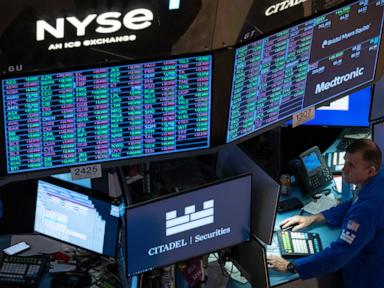
Markets are jittery. You can feel it on the trading floor, and you can see it in your retirement account. Wall Street is holding its collective breath. Why? Because the upcoming data drops on consumer confidence and inflation are about to dictate the Federal Reserve's next move. If you are sitting on the sidelines wondering why your stocks are swinging wildly on a daily basis, this is your answer.
The Battle Between Spending and Saving
Investors miss the mark because they treat consumer confidence as a vanity metric. It is not. It is the beating heart of the American economy. When people feel secure about their jobs, they open their wallets. When they panic, spending freezes.
Right now, consumer sentiment is a mixed bag. Gas prices are bouncing around, grocery bills aren't dropping the way people want, and job market security feels a bit shaky depending on the sector. Tech layoffs might be cooling off, but white-collar hiring isn't roaring back either.
Here is what you need to watch for in the upcoming confidence index numbers:
- Expectations vs. Present Situation: A divergence here tells a story. If current conditions look fine but future expectations crater, consumer spending is about to slam on the brakes.
- Inflation Expectations: Watch the one-year-ahead inflation outlook embedded in the survey. If consumers think prices will stay high, they demand higher wages, which keeps the inflationary cycle spinning.
Wall Street hates uncertainty more than bad news. A terrible consumer confidence report hurts retail stocks immediately, but an unexpectedly strong one triggers fears that the central bank will hike interest rates higher for longer. You cannot win easily playing those binary outcomes.
Why Inflation Data Still Rules Everything
Let's talk about the consumer price index and the personal consumption expenditures index. These acronyms control your money. Every single tick up or down in the core inflation print sends shockwaves through bond yields.
Most individual investors read a headline inflation number and react emotionally. That is a mistake. Professional traders look past the headline number straight to core inflation, stripping out volatile food and energy costs. They want to know what stickier costs like shelter and services are doing.
Shelter costs have been the stubborn ghost in the machine. Everyone knows rent is too high. The government data always lags behind reality because lease renewals happen annually. If the upcoming inflation reports finally show meaningful shelter deflation, the bond market will rally hard. If shelter costs surprise to the upside, get ready for another round of market sell-offs.
How to Position Your Money Without Guessing
Trying to time the market based on a single week of economic reports is a fool's errand. Even hedge fund managers get it wrong half the time. Instead of gambling on whether inflation comes in hot or cold, change your portfolio structure.
Focus on companies with pricing power. If a business can pass higher costs onto its customers without losing sales volume, inflation is just a minor speed bump. Look at balance sheets with low debt. High interest rates punish companies drowning in variable-rate debt. Cash is no longer trash, so holding a healthy yield in short-term instruments while waiting out the volatility makes strategic sense.
Stop checking your portfolio every ten minutes. The noise coming out of Wall Street this week is designed to generate clicks and panic. Look at your long-term goals, ignore the short-term sentiment trap, and let the data settle before making any drastic adjustments to your holdings.