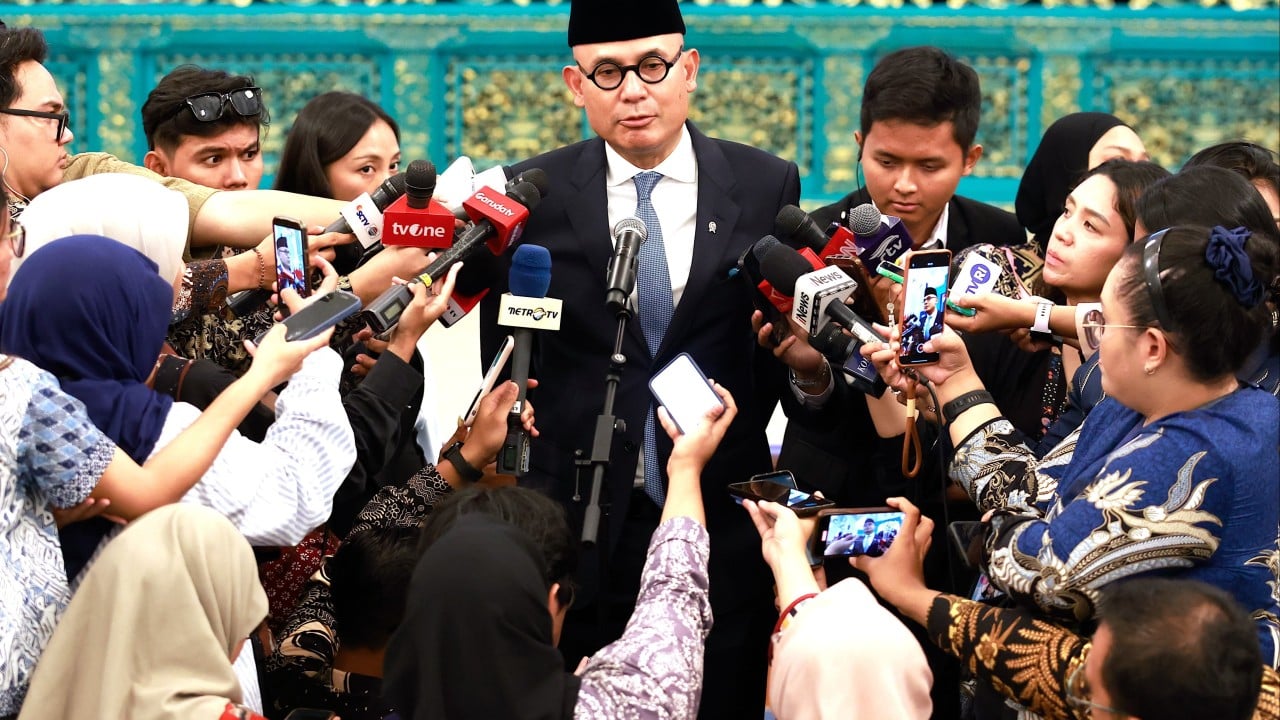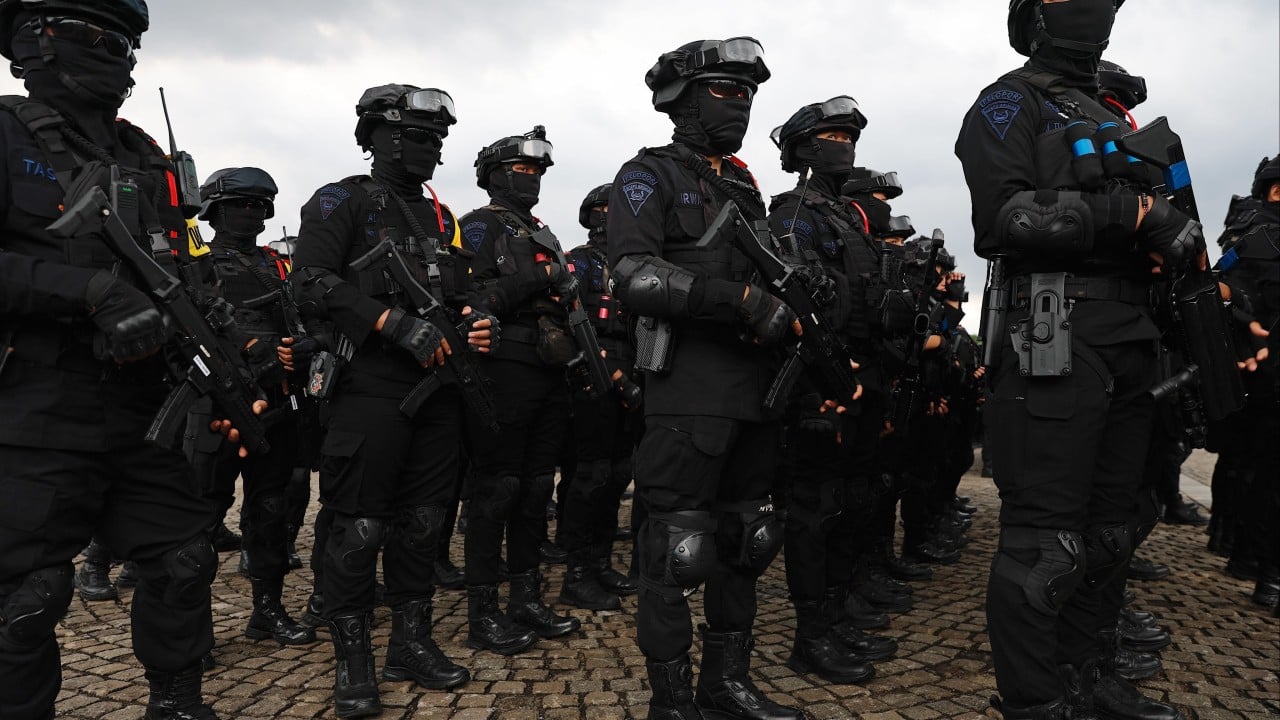
Power struggles in Jakarta don't usually explode into public view quite like this. When President Prabowo Subianto installed Suyudi Ario Seto as the new National Police chief, it wasn't just a routine administrative shuffle. It was an emergency intervention. The Indonesian National Police had just collided with a massive surveillance scandal that dragged high-ranking generals into custody and exposed deep fractures within the ruling elite.
If you've been trying to figure out why the country's top security apparatus is undergoing such a violent upheaval, you have to look past the official press releases. The real story involves high-stakes wiretapping allegations, shifting political dynasties, and an institution that has long resisted genuine accountability.
The Wiretap Crisis That Triggered the Shakeup
The immediate catalyst for the leadership overhaul wasn't ordinary bureaucratic fatigue. Investigators revealed that high-ranking security officials allegedly used the Lawful Interception Management System to run unauthorized surveillance operations. Targets weren't just ordinary citizens; the operation reportedly monitored political figures, journalists, activists, and even President Prabowo himself.
Former national police chief Listyo Sigit Prabowo—who shares no relation to the president but holds deep ties to former leader Joko Widodo—found himself swept directly into the eye of the storm. After being moved to a presidential staff role, he was arrested alongside other senior officers. When state officials started throwing around terms like "treason", it became clear that the police force was operating as a power unto itself, detached from civilian control.
Can Suyudi Ario Seto Fix an Untamed Force?
Enter Suyudi Ario Seto. Known for his stints running the national narcotics agency and regional police commands, Suyudi stepped into the role promising a cleaner house. He moved instantly, shaking up senior personnel within forty-eight hours of taking command.
Yet, moving chess pieces at the top is the easy part. The harder truth is that Indonesian police culture has been plagued by allegations of brutality, abuse of power, and friction with anti-corruption bodies for years. When a delivery driver was fatally struck during protests, or when regional stations shrugged off calls for help that ended in tragedy, public trust hit rock bottom.
Independent analysts point out a harsh reality. A new chief and a glossy tagline like "Police Together with the Community" mean nothing if the rank-and-file officers on the street don't change how they treat ordinary citizens.
What Comes Next for Indonesia's Security Landscape
The political fallout is rewriting the rules of engagement in Jakarta. Reform commissions are pushing for tougher external oversight through bodies like Kompolnas, aiming to strip the police of unchecked operational autonomy. Prabowo needs an agency he can trust, especially as he consolidates his administration and manages a delicate transition away from the shadow of the Widodo dynasty.
Expect tighter controls on surveillance tools, aggressive internal purges, and a fierce battle between old patronage networks and new loyalists. Whether this translates into genuine institutional safety for the public—or just a fresh set of bosses calling the shots—will define Prabowo's presidency.
The wiretap scandal shaking Indonesia's police force
This video provides a breakdown of the political crises, the wiretapping scandal, and the high-profile arrests involving former police leadership in Indonesia.