When a ruling establishment decides to brand its own unemployed youth as pests, it usually expects submission. Instead, it gets a movement named after the insult.
India's political landscape has shifted dramatically, driven by a wave of youth-led mobilization that refuses to be silenced by mass detentions, preemptive arrests, or heavily militarized police barricades. At the heart of this friction is the Cockroach Janta Party, a digital-first political startup born out of sheer defiance. When authorities and senior legal figures dismiss young citizens struggling for employment and democratic rights, the response from the ground is raw, organized, and remarkably resilient. For another perspective, consider: this related article.
The Spark Behind the Backlash
You cannot understand the current wave of demonstrations without looking at the raw anger fueling India's youth demographic. The movement gained serious momentum after sweeping controversies over job market stagnation, public exam leaks, and massive electoral roll purges. Millions of names vanished from voter registries under the guise of administrative cleanup, triggering widespread anxiety about democratic integrity.
When prominent digital strategist Abhijeet Dipke founded the Cockroach Janta Party, it wasn't just a clever stunt. It directly reclaimed a derogatory label thrown at ordinary citizens and turned it into a badge of survival and persistence. Like the insect they draw their name from, these activists point out a simple reality: you can try to squash them, but they keep coming back. Further insight on this trend has been provided by Associated Press.
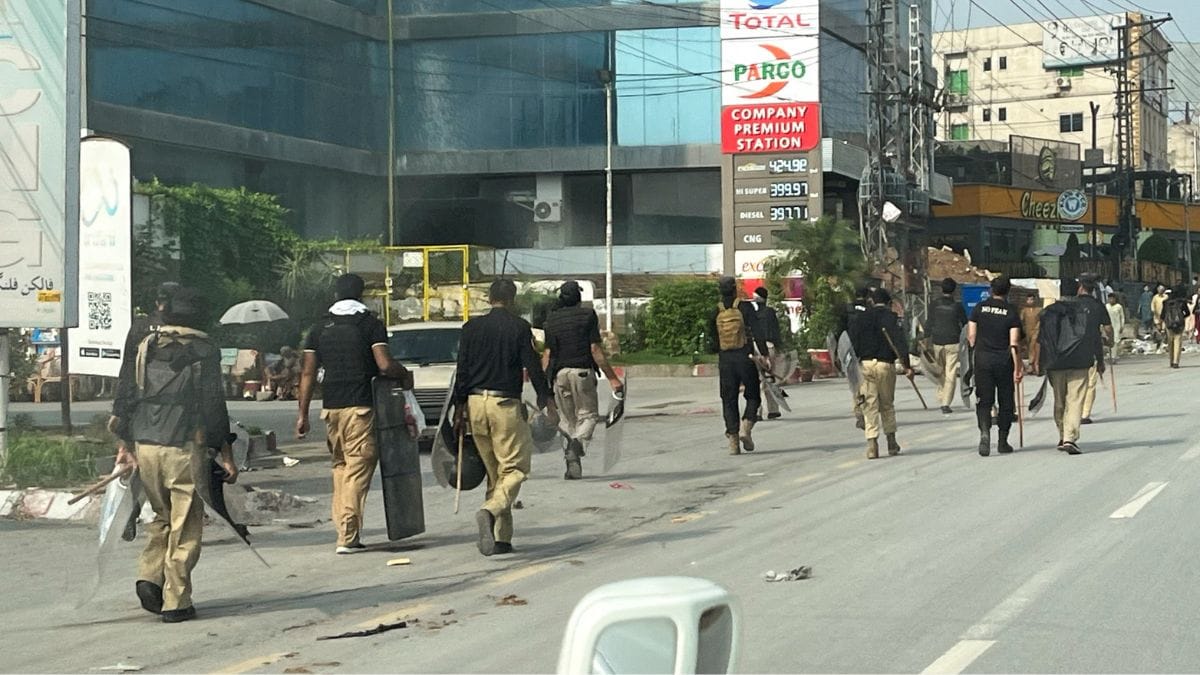
The state’s reaction has been swift and unforgiving. Ahead of major mobilization efforts in New Delhi, the capital routinely transforms into an armed fortress. Tens of thousands of security personnel lock down transit hubs, suspend mobile internet services across entire districts, and detain thousands of demonstrators in a matter of hours. Even high-profile organizers find themselves intercepted right on airplane staircases before they can even touch the tarmac.
Why the Crackdown Fails to Stop the Momentum
Traditional political crackdowns rely on cutting off the head of the snake. If you arrest the leaders, the crowd loses direction and goes home. But this decentralized generation operates differently.
When figures like Saurav Das and Ashutosh Ranka are hauled off to jail or forced to navigate weeks of legal harassment and police custody, the organization doesn't collapse. They deploy pre-recorded messaging, decentralized communication webs, and grassroots solidarity networks that keep thousands moving forward even when their primary voices are temporarily locked behind bars.
The authorities claim these actions are necessary to maintain public order and prevent anarchy. But telling citizens they have no right to question sweeping electoral changes or institutional accountability only deepens the resolve. When leaders are released after brief detentions—often slapped with conditional bonds demanding peace—they walk straight out of the courthouse and announce their next steps. They argue that participating in a peaceful protest is a constitutional right, not a breach of peace.
What Comes Next for Grassroots Resistance
The standoff in Delhi and other major hubs like Mumbai proves that a generation is no longer willing to accept political alienation quietly. You have a massive population segment feeling economically squeezed and politically sidelined, watching institutional safeguards weaken in real time.
Stopping this movement requires more than temporary detainment or shutting down internet connections in city centers. As long as deep structural anxieties about voting access, governance transparency, and employment remain unaddressed, the street demonstrations will adapt, persist, and return stronger. The establishment can lock down the streets for a weekend, but it cannot legislate away the underlying anger of millions who have decided they have nothing left to lose.