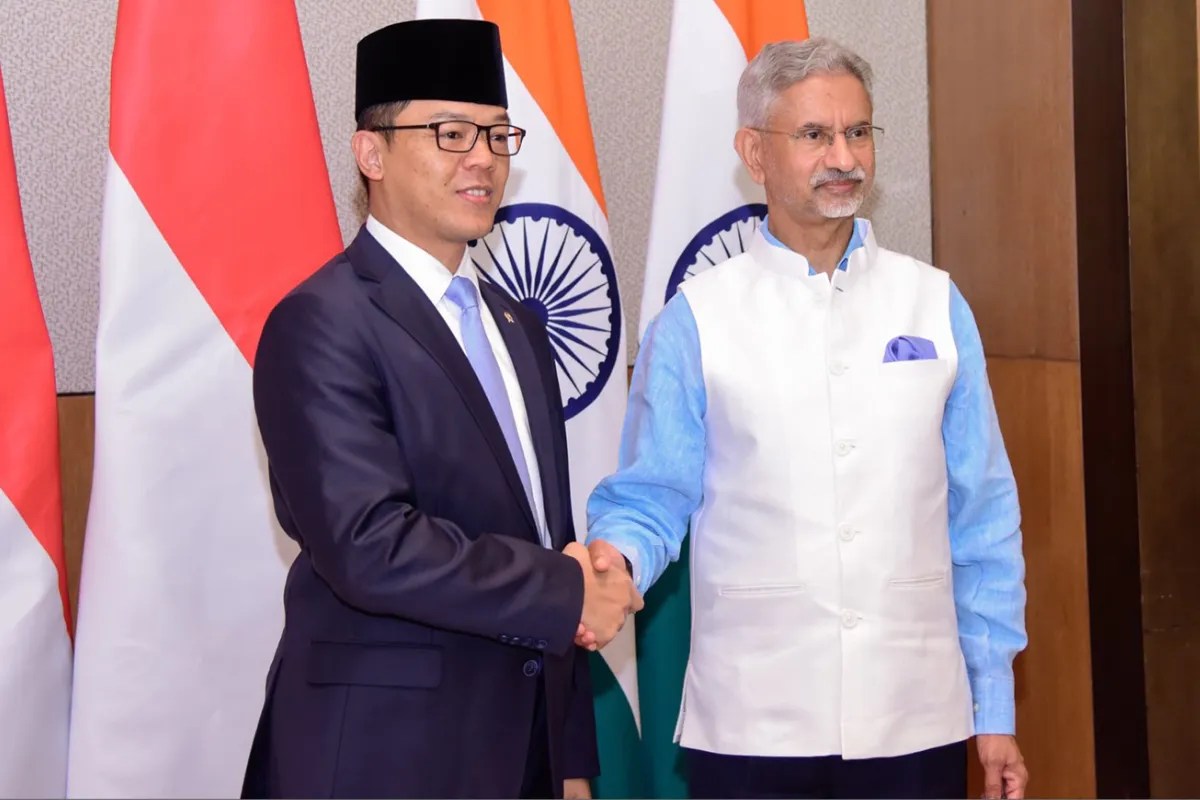
Geopolitics isn't just about grand speeches. It's about securing trade routes, locking down energy supplies, and building alliances before a crisis hits. That's exactly what happened in New Delhi during the 8th India-Indonesia Joint Commission Meeting. External Affairs Minister S. Jaishankar met his Indonesian counterpart, Sugiono, for a high-stakes dialogue that didn't just touch on routine diplomacy. It set a massive framework for the next decade of Indo-Pacific security.
If you think this is just another standard bureaucratic meeting, you're missing the bigger picture. This was the first ministerial joint commission meeting between the two nations in four years. A lot has changed since 2022. The regional balance of power is shifting quickly. Both countries know they need each other to keep the Indian Ocean and Southeast Asia stable. They didn't waste time on pleasantries. They got straight to business, addressing everything from military cooperation to critical minerals.
Breaking Down the Strategic Shifts
The real meat of the discussions centered on shifting the Comprehensive Strategic Partnership into high gear. Ever since Indonesian President Prabowo Subianto visited India as the Republic Day Chief Guest in January 2025, the momentum has been building. This latest meeting formalized those top-level promises into actual policies.
Maritime security took center stage. India and Indonesia sit on either side of the Malacca Strait. It's one of the busiest and most vulnerable shipping lanes in the world. If that strait chokes, global trade stalls. Jaishankar and Sugiono pushed for deeper naval coordination and shipping agreements to ensure that the Indo-Pacific remains open and rules-based. They aren't just talking about joint patrols anymore. They are looking at shared logistics and maritime domain awareness.
The meeting also tackled a massive blind spot in previous bilateral talks, which is supply chain vulnerability. They focused heavily on food security, fertilizers, and critical minerals. Indonesia is packed with resources like nickel and bauxite, which are vital for India's clean energy transition. India, on the other hand, is a powerhouse in pharmaceuticals and digital tech. By linking India's fintech and medical manufacturing with Indonesia's raw materials, both nations are trying to insulate themselves from external global shocks.
Moving Beyond Traditional Trade
Let's look at the actual numbers and sectors. Trade between New Delhi and Jakarta has grown, but it has historically been dominated by crude palm oil and coal. That's old-school trade. The 2026 blueprint changes the focus entirely.
Fintech is a massive area of growth. India wants to export its Unified Payments Interface (UPI) model across Southeast Asia. Linking India's digital payment systems with Indonesia's growing digital economy makes cross-border business incredibly cheap and fast. During the meeting, digital connectivity and infrastructure development were pushed to the top of the economic agenda.
Health and pharmaceuticals also saw major commitments. The post-pandemic world taught everyone that relying on a single country for active pharmaceutical ingredients is a terrible idea. India is positioning itself as Indonesia's primary healthcare partner, offering affordable medicines, medical devices, and biotechnology transfers.
Defense cooperation is also quietly accelerating. Following up on the Joint Working Group on Counter-Terrorism meetings, both ministers committed to tighter intelligence sharing and defense industrial collaboration. They are looking into manufacturing military hardware together, moving past the basic buyer-seller dynamic.
The Broader ASEAN Connection
You can't talk about Indonesia without talking about ASEAN. Jakarta is essentially the diplomatic heart of the Southeast Asian bloc. For India's Act East policy to actually work, Indonesia has to be fully on board.
The ministers aligned their strategies with the ASEAN-India Comprehensive Strategic Partnership framework running from 2026 through 2030. This isn't just about bilateral gains. It's a concerted effort to create a multipolar Asia where no single dominant power can dictate the terms of trade or security. They openly discussed advancing multilateral coordination at global forums, ensuring that the Global South has a unified voice against economic coercion.
Prime Minister Narendra Modi is scheduled to visit Jakarta soon. This joint commission meeting laid the groundwork for that upcoming visit. It ensured that when the state leaders meet, they will be signing major, ready-to-go treaties rather than just debating policy details.
What This Means for Business and Security
For security analysts and business leaders, the takeaway is clear. The corridor between New Delhi and Jakarta is hardening into a serious geopolitical axis. If you operate in logistics, defense, digital finance, or pharmaceuticals, you need to watch this space closely.
The next step involves setting up the technical working groups to execute the fintech linkages and critical mineral supply chains discussed by Jaishankar and Sugiono. Government agencies from both sides are tasked with finalizing these regulatory frameworks before the prime minister's upcoming visit to Jakarta. The days of treating India-Indonesia relations as a secondary diplomatic track are officially over.