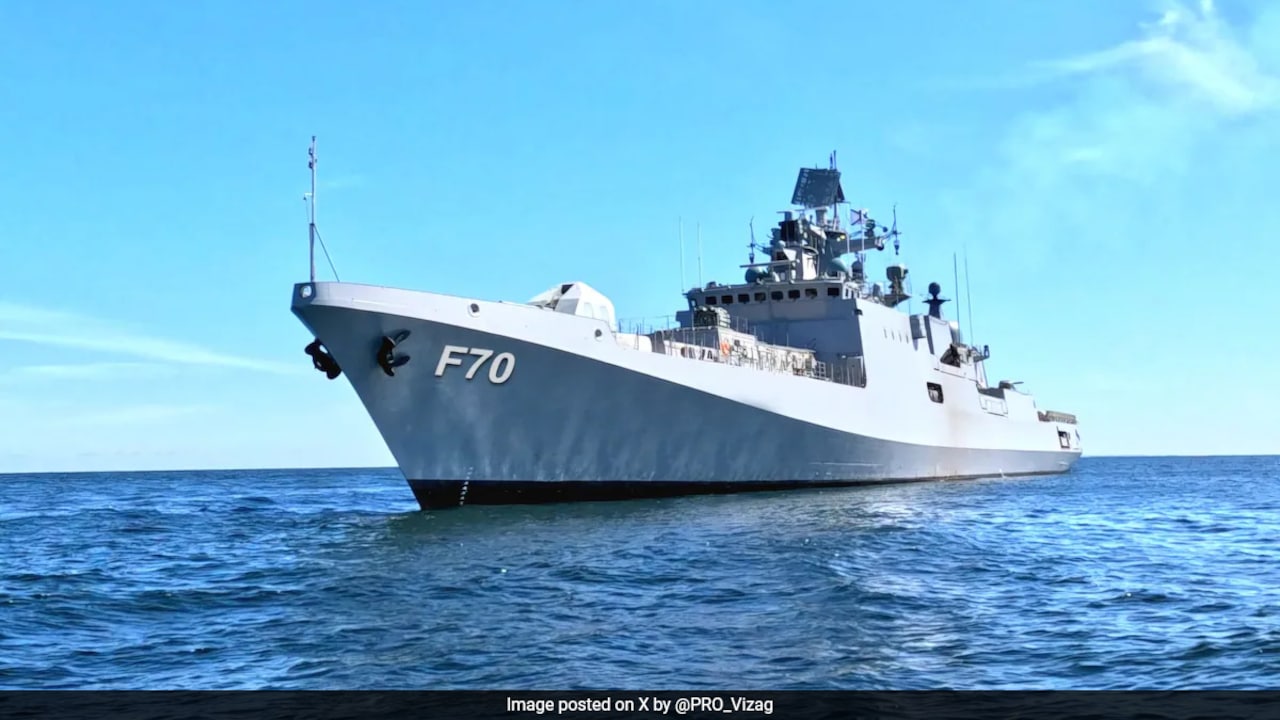
You can buy a warship hull from a shipyard, install imported electronics, and mount foreign missiles on the deck. But if you don't own the heart inside the ship, you're just renting your national security.
India has spent decades talking about self-reliance in defense manufacturing. We talk a big game about aircraft carriers, stealth destroyers, and nuclear submarines. Yet, walk into the engine room of most major vessels flying the tricolor, and you will find mechanical lungs designed, built, and maintained thousands of miles away. That dependency is a massive national security vulnerability hiding in plain sight.
Marine propulsion isn't just about moving water. It's about sovereignty.
The Achilles Heel of Naval Expansion
When you look at modern naval fleets, attention usually goes to the guns, the radars, and the sheer tonnage of the steel. But ask any marine engineer what keeps them awake at night, and they won't point at the weapon systems. They'll talk about powerplants.
Building a hull is hard work, but engineering a reliable, high-output marine gas turbine or heavy-duty diesel engine is an elite club. Right now, only a handful of nations hold the keys to that club. Germany, the United States, France, South Korea, and a few others dominate global marine propulsion. India relies heavily on foreign designs, licensed production lines, or outright imports for its high-powered naval and commercial fleets.
Let's be clear. A license-produced engine is not an indigenous engine. When you build a motor under license, you are still bound by foreign intellectual property rights, export controls, and supply chain bottlenecks. If a diplomatic crisis erupts and spare parts stop flowing, your multi-billion-dollar destroyer becomes an expensive floating paperweight in a matter of months.
We saw this playbook play out in aviation for decades. Why are we repeating it on the high seas?
Why Designing Marine Engines Is Brutally Hard
If building these powerplants were easy, every industrial economy would do it. Marine engineering operates under punishing constraints that make land-based power generation look like child's play.
Consider the environment. An engine at sea sits inside a vibrating, rolling, pitching steel box. It has to ingest salt-laden air, run continuously for weeks under blistering heat or sub-zero polar temperatures, and instantly absorb massive shock loads from rough seas or near-miss combat detonations.
Then there's the power-to-weight ratio. A modern naval frigate needs tens of megawatts of electrical and mechanical power, yet every extra ton of engine weight steals room from weapons, fuel, or crew quarters. Thermal management is another nightmare. A marine gas turbine operates at temperatures where metal wants to turn into liquid, requiring sophisticated single-crystal blade cooling technologies and advanced ceramic matrix composites.
Because of these hurdles, past Indian attempts to build heavy-duty marine propulsion faced severe delays and technical dead ends. The Gas Turbine Research Establishment and other domestic agencies developed solid aerospace engines like the Kaveri, but scaling those technologies up to the massive torque and endurance requirements of a destroyer or an aircraft carrier requires a completely different engineering discipline.
The Commercial Angle Nobody Talks About
Defense applications get the headlines, but the commercial shipping sector tells an even starker story. India moves a massive percentage of its international trade by sea. We have a vast coastline, thousands of active merchant sailors, and a booming shipbuilding ambition through initiatives like Maritime India Vision.
Yet, almost all commercial vessels built or operated by Indian entities rely on foreign propulsion packages from giants like Wärtsilä, MAN Energy Solutions, or Rolls-Royce.
This creates a massive economic drain. Every time a cargo ship or a tugboat is built in Kochi, Mumbai, or Visakhapatnam with an imported engine, a huge chunk of the project value leaves the country. Worse, Indian shipyards lose out on high-margin lifecycle maintenance contracts. The real money in maritime isn't selling the initial motor; it's the forty-year stream of overhauls, spare parts, and digital diagnostic services.
If we want domestic shipbuilding to transition from a subsidized assembly line into a global economic powerhouse, we have to capture the value chain at its source. Owning the propulsion technology means owning the intellectual property, the aftermarket revenue, and the engineering talent pipeline.
What Needs to Change Right Now
Fixing this gap requires abandoning incremental half-measures. Licensing foreign blueprints with a fancy "Make in India" sticker on the casing isn't enough anymore. We need a wartime-effort approach to domestic heavy engineering.
First, public-private partnerships need to stop treating domestic R&D as a charity case. Indian conglomerates have deep pockets and advanced metallurgy capabilities, but they often shy away from the immense capital expenditure required for heavy marine R&D. The government must step in with guaranteed procurement orders. If the Indian Navy commits right now to buying the first twenty domestically designed and manufactured marine diesel engines and gas turbines, private industry will invest the capital to build the test facilities.
Second, we need to aggressively recruit and retain global talent. You don't build a world-class marine propulsion industry by telling local engineers to reinvent the wheel from scratch. Bring in retired chief engineers from major European and Asian engine builders as consultants. Partner with specialized research institutions in friendly nations that already cracked the code. Reverse-engineer best practices, not just physical parts.
Third, test infrastructure must become a national priority. You cannot test a 30-megawatt marine gas turbine in a standard university lab. India needs massive, state-of-the-art dynamometer testing facilities capable of simulating extreme thermal and vibrational loads. Without that testing ground, homegrown designs will always suffer from reliability issues that keep operators reaching for safe, imported alternatives.
India stands at a geopolitical crossroads. The Indo-Pacific region is becoming the world's primary naval chessboard. Relying on foreign powerplants to drive our naval ambitions is a ticking clock.
We can either keep writing checks to foreign engine manufacturers and cross our fingers during geopolitical storms, or we can roll up our sleeves, fund the hard engineering, and take control of our own maritime destiny. The choice is obvious, but the time to act is running out.