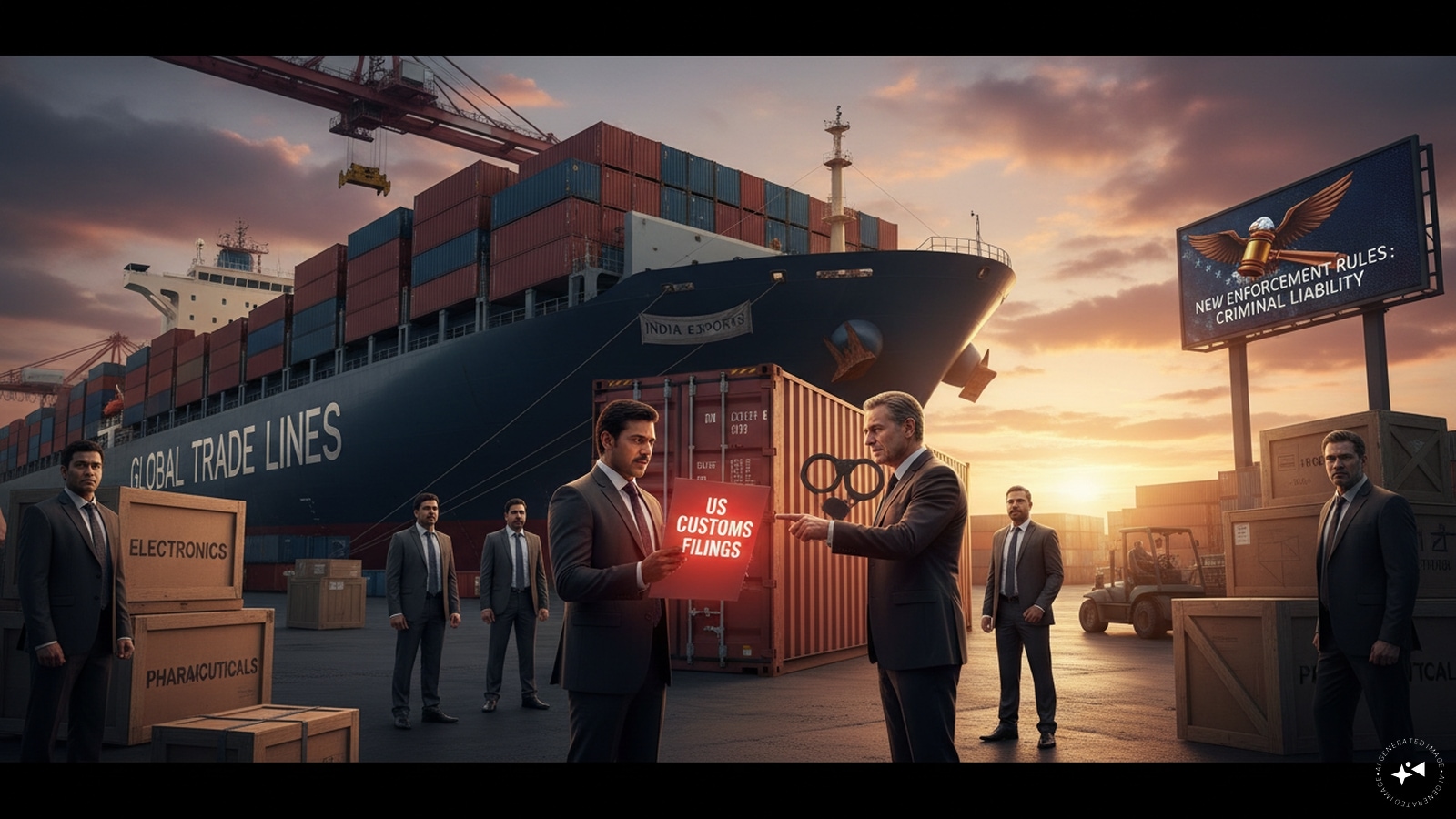
Every few years, tired diplomats dust off the same exhausted talking points, stand behind polished mahogany podiums, and promise that a comprehensive free trade agreement between New Delhi and Brussels is just around the corner. The lazy consensus in international trade circles insists that urgency, geopolitical alignment, and mutual market access will finally push a deal across the finish line.
Ambassadors love predicting imminent breakthroughs because optimism keeps their budgets approved and their calendars full. I have watched corporations burn millions of dollars preparing supply chains for treaties that collapsed under their own weight before the ink even dried. In similar updates, take a look at: The Economics of Attrition: Decoding the Maximum Pressure Doctrine.
The standard narrative misses the structural friction that actually dictates modern commerce. Trade pacts are not solved by good intentions or diplomatic charm. They break down over regulatory sovereignty, data localization, carbon border adjustments, and deeply divergent labor standards.
The Fallacy of Speed and Ambition
Optimists point to political willpower as the ultimate catalyst. They argue that rising security concerns and shifting global supply chains force both sides to lock arms. The Wall Street Journal has analyzed this important subject in extensive detail.
This argument ignores how modern trade negotiations actually function. Brussels does not operate on speed; it operates on bureaucratic uniformity. The European Union insists on imposing high regulatory hurdles regarding environmental compliance, agricultural protections, and data privacy rights that clash directly with India's domestic development imperatives.
India needs cheap energy, rapid manufacturing growth, and flexible labor markets to lift millions out of poverty. Europe demands rigid carbon accounting, stringent sustainability audits, and extensive oversight that functions as a sophisticated non-tariff barrier.
When an ambassador claims a deal is coming by year-end, they are confusing a political photo opportunity with a functioning commercial framework. A treaty forced through too quickly either ends up as an empty document full of exemptions or a political disaster that collapses under domestic legal challenges in member states.
Regulatory Imperialism Disguised as Partnership
Let us define terms clearly. A modern bilateral trade pact is rarely about lowering tariffs on manufactured goods anymore. Tariffs are already relatively low or easily worked around. The real battleground is regulatory alignment.
Europe wants India to accept its internal rulebook. Brussels calls this harmonization. Business strategists with battle scars call it regulatory imperialism.
Imagine a scenario where an Indian pharmaceutical manufacturer or agricultural exporter must comply with EU carbon border adjustment mechanisms and strict deforestation laws. The cost of compliance wipes out any margin gained from tariff elimination. European negotiators wrap these demands in the noble language of consumer protection and climate action, but the practical effect is simple protectionism.
Indian policymakers know this. They have watched previous partnerships hollow out domestic industries under the guise of open markets. That is why negotiations drag on for decades despite continuous declarations of breakthroughs. Both sides are playing a game of chicken where New Delhi refuses to surrender its policy space and Brussels refuses to compromise its bureaucratic standards.
The Data Chokehold and Services Deadlock
Trade discussions frequently stumble over services and data mobility. India holds a massive competitive advantage in information technology, professional services, and digital delivery.
Europe wants access to India's vast consumer market for its automobiles, wines, and high-end manufacturing. In exchange, India demands easier movement for its skilled professionals and data-sharing provisions that match its sovereign digital goals.
Brussels responds with stringent data protection frameworks that treat foreign data storage as a security risk. By locking down data flows, Europe effectively shuts out the very sectors where Indian firms hold a decisive edge.
Meanwhile, India protects its domestic agriculture and dairy sectors fiercely, knowing that unfettered access for subsidized European dairy products would devastate millions of smallholder farmers. When neither side can compromise on their core defensive interests, the entire architecture stalls.
What Smart Companies Do While Diplomats Argue
Relying on a bilateral trade pact to expand your footprint across these markets is a strategic error. Smart operators build operational redundancy long before politicians sign treaties.
- Bypass the macro noise: Focus on bilateral mini-deals or sector-specific arrangements that avoid the parliamentary approval traps of comprehensive treaties.
- Localize compliance early: Treat regulatory divergence as a permanent feature of the market rather than a temporary hurdle a trade deal will fix.
- Diversify supply chains through private contracts: Use direct commercial agreements, joint ventures, and local manufacturing hubs to insulate your business from diplomatic gridlock.
The obsession with a grand India-EU pact is a distraction maintained by consultants and bureaucrats who profit from endless negotiations. The future of commerce does not belong to those waiting for a signature on a piece of paper. It belongs to those ruthless enough to operate without one.