Imagine getting a notification that your Apple account has been hacked. Before you can even process the panic, you are transferred directly to someone claiming to be an FBI agent. They tell you that your hard-earned money is at risk, but they have a plan to catch the hacker. They just need cash to hook the trap.
That is exactly how a resident from Paw Paw, Illinois, lost $40,000 in cold, hard cash.
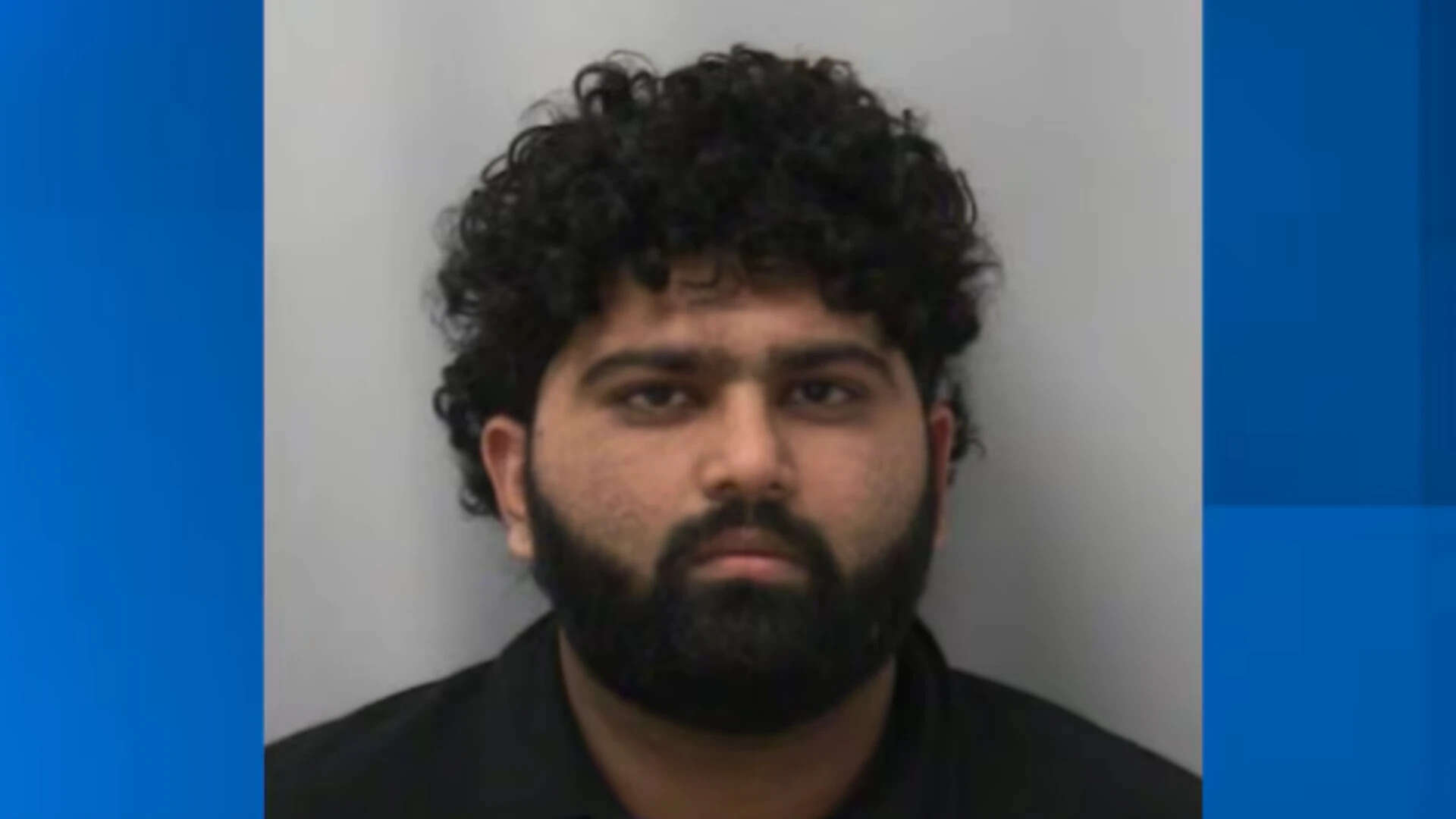
The nightmare did not stop with the first handover. The scammers got greedy, demanded more money, and ultimately triggered a police sting operation that landed a 22-year-old Chicago man named Parth C. Patel in handcuffs. It is a sobering reminder that financial manipulation can happen to anyone, anywhere.
Inside the Lee County Sting Operation
The crime unfolded in the quiet village of Paw Paw, located in Lee County, Illinois. In mid-April, the victim fell prey to a highly coordinated deception. It started with a bogus alert about a compromised Apple account, followed immediately by a transfer to a fraudulent federal agent. The imposter convinced the victim to withdraw $40,000. On April 17, an unidentified courier arrived directly at the resident's home to collect the cash.
Once scammers know a target will pay, they always return for more.
A few days later, the fake agent called again, demanding an additional $28,500. This time, the victim contacted the Lee County Sheriff’s Office. Detectives immediately recognized the hallmarks of a classic courier scam and set a trap. They instructed the victim to agree to the demand and set up a controlled cash pickup for Monday, April 27.
When Parth C. Patel showed up at the location to collect the package, he found sheriff's deputies waiting for him instead.
The Charges and the Legal Catch
Patel was booked into the Lee County Jail and hit with heavy felony charges:
- Theft by Deception ($10,000 to $100,000), a Class 2 felony under Illinois law.
- Attempted Theft by Deception ($10,000 to $100,000), a Class 3 felony.
Despite the severity of the scheme, Patel did not stay behind bars for long. Following his initial court appearance, he was released from custody under the provisions of the Illinois SAFE-T Act, which eliminated cash bail in the state. He was handed a notice to appear for a formal court hearing on May 21.
While Patel was caught red-handed during the pickup, law enforcement officials emphasize that he is likely just a foot soldier. These operations are frequently run by sprawling, overseas syndicates. The masterminds hide behind spoofed phone numbers and encrypted apps, utilizing local couriers like Patel to do the risky dirty work of collecting physical cash or assets.
The Psychology of the Government Imposter Scam
It is easy to look at these situations from the outside and think you would never fall for it. That is a dangerous mistake. Scammers do not win by outsmarting your logic; they win by hijacking your emotions. They target two primary human vulnerabilities: fear and respect for authority.
The initial notification about a hacked account creates instant panic. Your digital footprint, photos, and banking access feel compromised. When an "FBI agent" steps in, they offer an immediate solution wrapped in federal authority. They use aggressive legal jargon, threaten arrest for non-compliance, or claim you are violating a gag order to prevent you from talking to family members or your bank. By keeping you isolated and terrified, they control your actions until the cash changes hands.
How to Protect Your Wealth and Verify the Truth
Real federal agencies do not operate like text alerts or sudden phone transfers. To keep your money safe from couriers and phone imposters, you must establish strict verification habits.
- Never trust caller ID: Fraudsters use software to make their numbers look exactly like the local police department, the FBI, or bank fraud units.
- Hang up and call back independently: If someone claims to be from a government agency or a tech support team, hang up immediately. Find the official, public phone number for that entity and call them yourself to verify the claim.
- Know the red flags of government demands: The FBI, IRS, and US Marshals will never demand cash, wire transfers, cryptocurrency, or gold bars to "secure assets" or catch a criminal. They will never send a courier to your house to pick up money.
- Break the isolation: If a caller explicitly commands you to stay on the line, tells you not to talk to your spouse, or forbids you from telling bank tellers what the money is for, you are dealing with a criminal.
If you or someone you know has interacted with a suspected fraudster, report the details immediately to the Lee County Sheriff's Office at (815) 284-6631 or share anonymous tips through Crime Stoppers at 1-888-CAUGHT-U. You can also file a formal complaint online with the FBI's Internet Crime Complaint Center (IC3). Move quickly to notify your bank's fraud division if any financial details were shared.