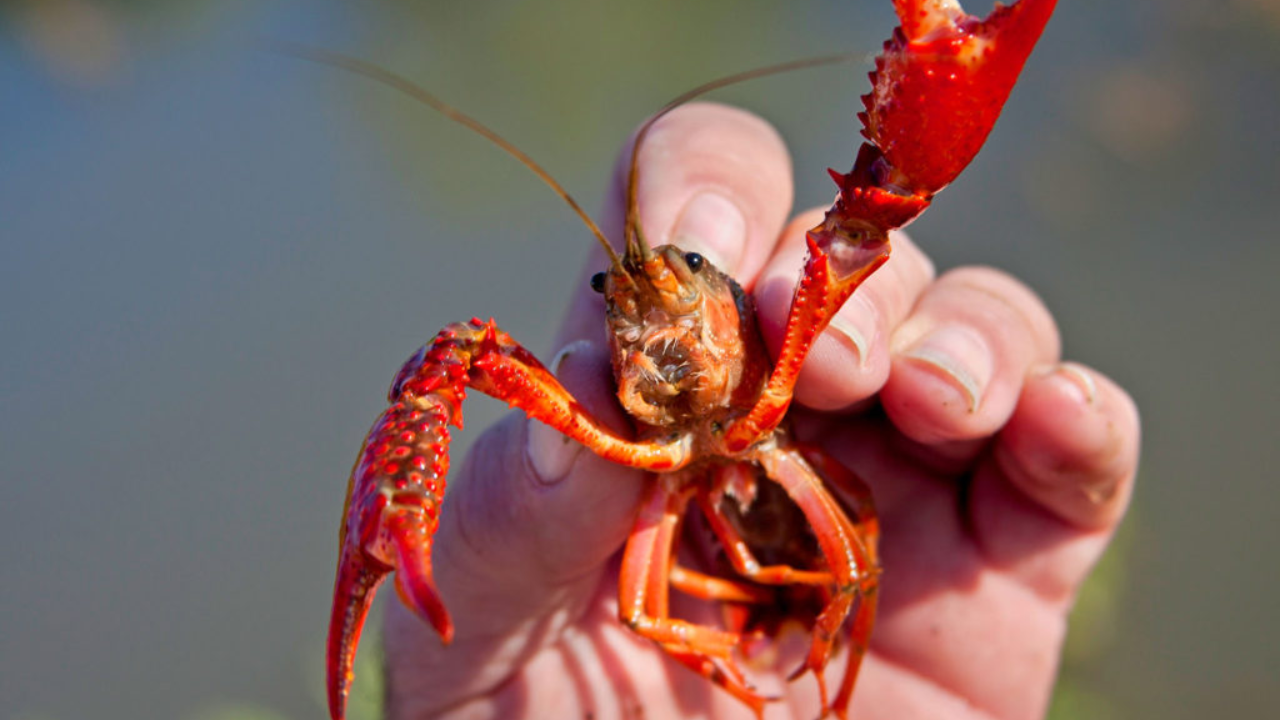
Back in 1974, someone thought bringing two tons of American red crayfish into Spain was a brilliant aquaculture move. They wanted a booming industry. They wanted economic growth. They didn't care about the consequences.
Fifty years later, those few imported crustaceans turned into an ecological nightmare. Meanwhile, you can explore similar events here: Stop Protecting Girls From Growing Up Too Fast.
You can find Procambarus clarkii just about everywhere across the Iberian Peninsula now. They swam through rivers, crawled across wetlands, and took over rice fields. Most people don't realize how a single commercial decision fifty years ago permanently altered entire watersheds. Let's look at what actually happened and why you should care about invasive species management today.
The 1974 Aquaculture Experiment That Broke the Rules
In the mid-1970s, native white-clawed crayfish populations in Spain were crashing. A deadly fungal infection known as the crayfish plague was wiping them out fast. Aquaculture entrepreneurs panicked. They wanted a fast replacement to keep the commercial seafood market happy. To explore the complete picture, check out the detailed analysis by Refinery29.
Enter the American red swamp crayfish.
Importing them seemed like a quick fix. These creatures grow fast. They tolerate harsh conditions. They reproduce like crazy. Officials released them into controlled environments, but rivers don't stay controlled. Heavy rains, floods, and human error helped them escape into the wild.
Within a decade, they spread rapidly through the Guadalquivir basin and beyond. They didn't just fill an empty niche—they bullied every native species out of existence.
Why American Red Crayfish Thrive While Everything Else Dies
If you want to understand why these creatures are practically unstoppable, look at their biology. They are total survivors.
- They survive extreme droughts by digging deep burrows into the mud.
- They eat almost anything, including plants, insects, small fish, and organic debris.
- They carry the crayfish plague fungus without getting sick themselves, acting as silent carriers that wipe out remaining native European crayfish.
When you drop an animal with those traits into a warm Mediterranean climate with few natural predators, disaster follows. Native amphibians, aquatic plants, and birds took a massive hit. Rice farmers quickly found out that these crayfish love chewing through young rice shoots, causing heavy agricultural damage.
The Ecological Toll on Wetlands
Do you know what happens to a healthy wetland when millions of burrowing crayfish move in? The water turns muddy.
Their constant digging tears up aquatic vegetation. Without plants to anchor the sediment, the water becomes turbid. This blocks sunlight, killing off phytoplankton and destroying the base of the food web.
Migratory birds in places like Doñana National Park felt the squeeze. While some storks and herons learned to eat the red crayfish, the overall diversity of the ecosystem dropped. You traded a rich, balanced wetland for a monoculture dominated by a single aggressive invader.
How Spain Tried to Fix the Mistake
Governments rarely reverse an invasion once it takes root. Eradication is practically impossible. Instead, Spain shifted to management and commercialization.
Authorities lifted restrictions on fishing for American red crayfish. They figured that if people caught and ate enough of them, populations would drop. Local fisheries sprang up, exporting crayfish to countries like France where they became a culinary staple.
Thousands of tons are harvested every year now. It provides jobs in rural Andalusia. It feeds a hungry market. Yet, despite heavy commercial trapping, the crayfish population remains stable. They reproduce faster than humans can catch them.
What You Can Do About Invasive Species
You might think an ecological crisis in Spanish wetlands has nothing to do with you. Think bigger. Invasive species are a global problem driven by globalization and the pet trade.
When you travel, never release pets or bait into local waters. Clean your gear when moving between different lakes and rivers to stop hitchhiking pathogens and eggs. Support local conservation groups that protect native species from being outcompeted.
Stop treating ecosystems like test tubes. Nature always wins, even if the winner is an aggressive red swamp crayfish.