Every time a tectonic plate shifts in the Himalayas, the global empathy machine grinds into motion with predictable, destructive efficiency. Within hours of a major seismic event in Nepal, donor fatigue is weaponized by algorithms. News networks broadcast footage of collapsed brick masonry in the Kathmandu Valley, Canadian relief cheques clear by the tens of millions, and well-meaning citizens pack shipping containers with winter coats and canned tuna.
The lazy consensus says we have to move quickly. The standard narrative demands immediate, unthinking intervention.
That instinct is killing the country.
I have watched international aid architectures bungle disaster response for over a decade. I have stood in Sindhupalchok weeks after a major quake while warehouses filled with rotting Canadian winter gear sat uncollected, and local markets—the exact economic engines required to rebuild—starved because free foreign goods undercut every domestic merchant within a fifty-mile radius. Speed without strategy is just well-funded vandalism.
The Logistics Trap of Panic Giving
When Canadian NGOs and international bodies declare that every second counts, they are prioritizing the psychological comfort of the donor over the structural survival of the recipient. The immediate aftermath of a disaster is chaotic, emotional, and ripe for institutional grandstanding.
Consider a scenario where a cargo plane loaded with emergency supplies lands at Tribhuvan International Airport. On paper, it looks like a triumph of global solidarity. On the ground, it is a logistical nightmare. The airport has a single runway. That cargo plane doesn't deliver blankets to a remote mountain village; it blocks tarmac space needed for heavy earth-moving equipment, medical personnel, and specialized engineers.
Local supply chains are bypassed entirely. Meanwhile, farmers three valleys over cannot sell their grain because international food drops have flooded the local economy with free imports. You didn't save a village. You bankrupt the local merchant, who now has to migrate to the Gulf states for construction work just to feed his family.
The obsession with rapid response ignores the fundamental architecture of disaster recovery. Relief is easy. Reconstruction is boring. Nobody clicks a donation link for a three-year institutional capacity-building grant for municipal civil engineers. They click for crying children and ruined temples.
Why Fast Aid Breeds Permanent Vulnerability
Let us look at the structural reality of Nepalese construction. For decades, traditional earthquake-resistant architecture—using timber tie-beams, flexible stone masonry, and mud mortar—absorbed seismic shocks through sheer elasticity. Then came modernization, rapid urbanization, and unregulated concrete frame construction.
When a major earthquake hits, these poorly engineered concrete boxes pancake. The knee-jerk foreign response is to ship in prefabricated housing units or temporary shelters built from imported materials.
This creates a cycle of dependency. Instead of incentivizing local masons to relearn traditional seismic vernacular or training them in reinforced masonry techniques using locally sourced stone and timber, we create a subculture of permanent charity seekers.
I’ve seen millions spent on imported modular housing that sits vacant within eighteen months because the materials cannot withstand the monsoon rains, while local stone sits untouched in riverbeds fifty feet away. We are exporting our architectural arrogance to a landscape that requires localized, indigenous resilience.
The Myth of the Unprepared State
Another persistent myth is that the Nepalese state is utterly helpless without foreign saviors stepping in to manage the chaos. This infantilizes local governments, civil society organizations, and youth networks that mobilize within minutes of a tremor long before any foreign NGO worker clears customs in Kathmandu.
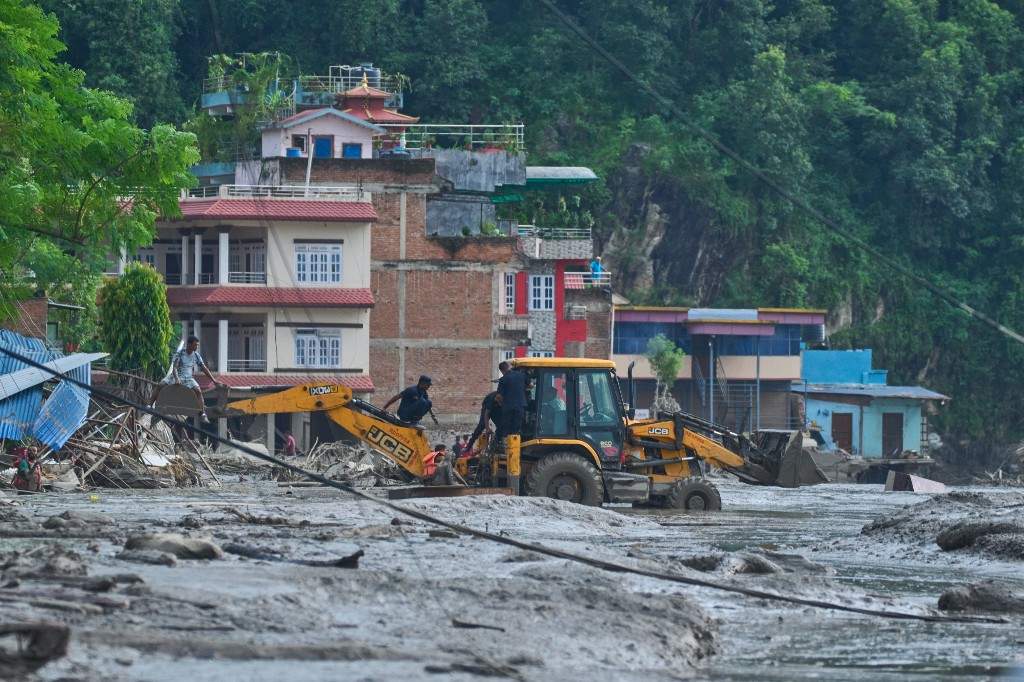
During past crises, informal local networks—youth clubs, neighborhood committees, and local cooperatives—cleared rubble and dug survivors out with bare hands and hand tools long before international search-and-rescue teams arrived with branded jackets and media crews.
Foreign aid machinery does not replace this local capacity; it often suffocates it. By flooding the zone with high-paying NGO jobs, international organizations siphon off the best local engineering talent, project managers, and administrators away from local government offices. Local municipalities are left understaffed and demoralized, forced to beg foreign donors for permission to rebuild their own infrastructure.
What Real Solidarity Actually Looks Like
If Canadians genuinely want to help Nepal survive the next seismic catastrophe, stop launching frantic clothing drives and cash-collection telethons the moment a tremor hits.
True solidarity is unglamorous. It looks like long-term institutional investment in building inspection regimes. It looks like funding micro-loans for local hardware suppliers so they can restock iron rebar and cement before the disaster happens. It looks like transferring cash directly to local bank accounts through digital infrastructure, allowing families to buy what they actually need from their local markets, thereby keeping the domestic economy alive.
Stop sending things. Send money selectively, or better yet, invest in institutional resilience when the skies are clear and the news cameras are pointed elsewhere.
The next time the earth shakes in the Himalayas, close your checkbook until the panic subsides. Let the locals do the work they have been doing for centuries. They don't need your panic. They need your patience.