A dangerous complacency develops when a single narrative dominates the cultural conversation. For weeks, the national discourse drifted toward a predictable conclusion, with professional basketball and political arenas seemingly locked into pre-determined tracks. The New York Knicks were marching toward an inevitable championship, riding a 13-game postseason winning streak that had energized a fan base waiting since 1973. Simultaneously, a series of state primary elections across the United States were quietly framed as mere procedural formalities, minor milestones on a fixed path toward November.
Then came June 8, 2026. Within a span of hours, a 22-year-old center from France fundamentally disrupted the sports landscape, while shifting voter registration trends and low-turnout primary metrics signaled that the upcoming congressional elections are far more volatile than superficial polling suggests.
The Night the Streak Died at the Garden
Madison Square Garden had not hosted an NBA Finals game in 27 years. The ticket prices reflected the decades of desperation, with fans paying historic premiums to witness what they assumed would be a 3-0 series stranglehold over the San Antonio Spurs. The narrative was set, the local watch parties were deafening, and the celebrity-packed front row—including former presidents and local sports icons—joined a crowd ready to celebrate.
Victor Wembanyama ruined the script.
After a costly turnover late in Game 2 that left San Antonio facing a 2-0 deficit, the sophomore center responded with a performance that exposed the fragility of New York's defensive game plan. Wembanyama recorded 32 points, eight rebounds, and six assists, anchoring a 115-111 victory that salvaged the Spurs' season and snapped New York's 46-day streak without a loss.
The game mechanics revealed a tactical vulnerability the Knicks had successfully hidden throughout the Eastern Conference playoffs. San Antonio recognized that New York’s aggressive, physical perimeter defense could be neutralized by rapid ball movement. The Spurs recorded 11 assists in the first quarter alone, shooting 58 percent from the field to build a quick 11-point lead.
Though Jalen Brunson matched Wembanyama with 32 points of his own, dragging the Knicks back into a 64-57 halftime lead, the burden of carrying the offense without efficient secondary scoring took a visible toll. Karl-Anthony Towns was held to just 11 points, and Mikal Bridges found himself in immediate, persistent foul trouble.
When the game tightened in the fourth quarter, San Antonio’s younger roster displayed a clinical execution that defied their age. Stephon Castle, who finished with 23 points, hit a critical three-pointer with under two minutes remaining to push the margin to 111-104. De'Aaron Fox quieted a late Brunson rally with a poised floater in the lane.
The Knicks’ loss complicates what many analysts projected to be a short series. San Antonio’s 24-8 advantage in second-half free throw attempts drew sharp post-game criticism from Knicks coach Mike Brown, pointing to an officiating discrepancy that will likely alter how both teams approach perimeter contact in Game 4. The series remains heavily favored toward New York, but the psychological invincibility has evaporated.
The Quiet Realignment in State Primaries
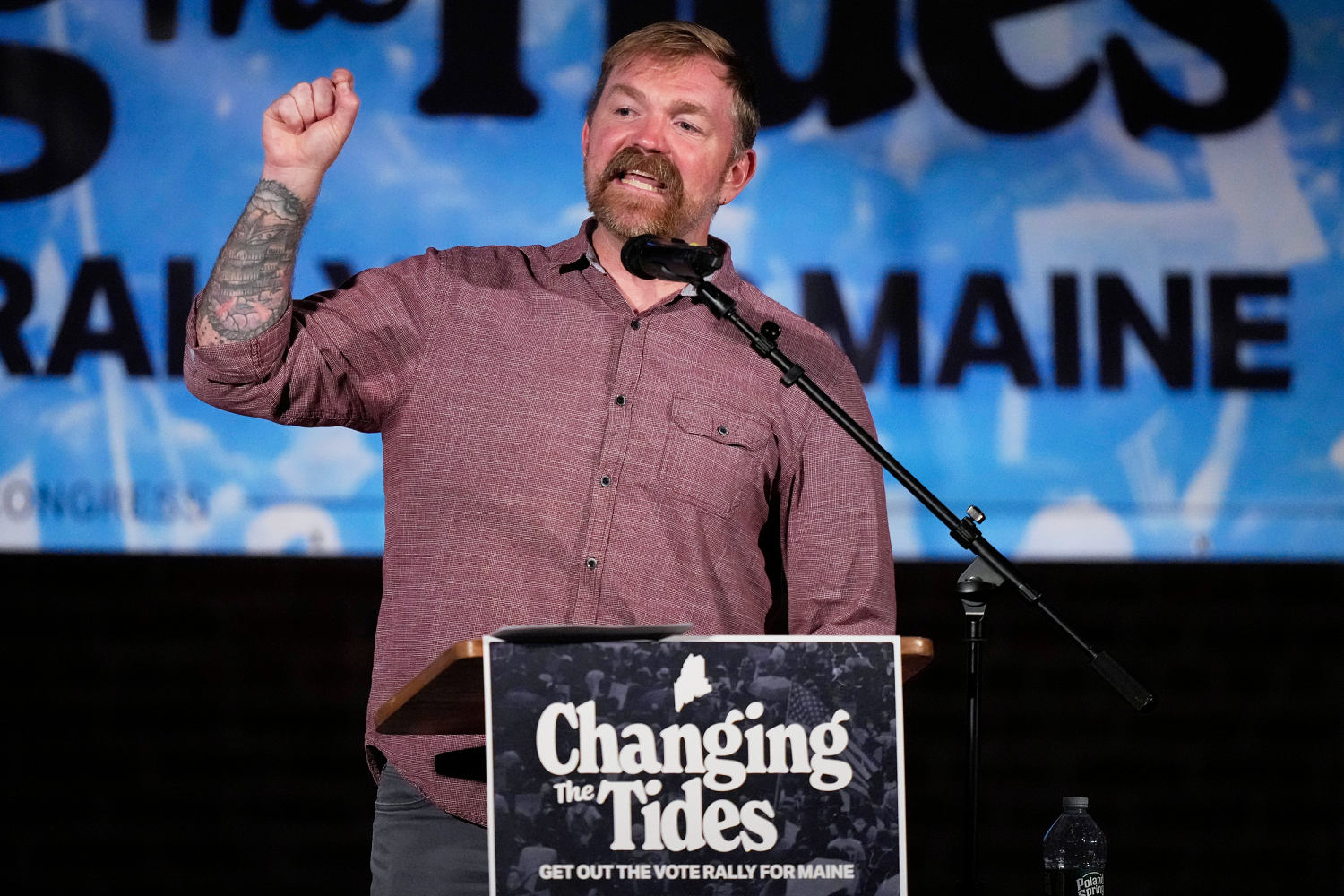
While sports fans focused on the drama in Manhattan, a different kind of miscalculation was unfolding in the primary voting booths of Maine, Nevada, North Dakota, and South Carolina. June serves as the busiest month of the primary calendar, featuring 15 state contests designed to select the final nominees for the November midterms.
The analytical error made by major party strategists is looking at primary outcomes as direct previews of general election performance. They are not. Primary turnouts in mid-year cycles routinely dip below 20 percent of registered voters, creating an environment where highly organized, ideological factions exert disproportionate influence.
The real story of the June primaries lies in the changing mechanics of voter registration data rather than the identity of the individual winners. In states like Nevada, an accelerating shift toward independent and non-partisan registration is outpacing both major parties. This structural change means that while hard-line candidates are successfully clearing their primary hurdles by appealing to a shrinking, highly motivated base, they are simultaneously alienating the broader electorate required to win a general election.
Data from recent special elections and early primary returns indicate a widening disconnect between the issues driving primary voters and the economic anxieties of the general population. In South Carolina, suburban districts that were once reliably predictable are showing signs of electoral fatigue, driven by shifting demographics and an influx of out-of-state residents who do not share legacy partisan loyalties.
The Friction of Reality
What connects a grueling basketball game in New York to the low-turnout voting booths of the American West is the inevitable breakdown of assumptions. Analysts, commentators, and fans prefer clean, linear trajectories because they make the world easier to explain.
A 13-game winning streak feels permanent until a 7-foot-4 opponent alters his positioning on the floor. A political party's hold on a congressional district feels secure until independent voter registrations quiet regular polling models. The events of this week served as a stark reminder that momentum is an illusion, and the only certainty is the friction that occurs when theories meet reality on the ground.