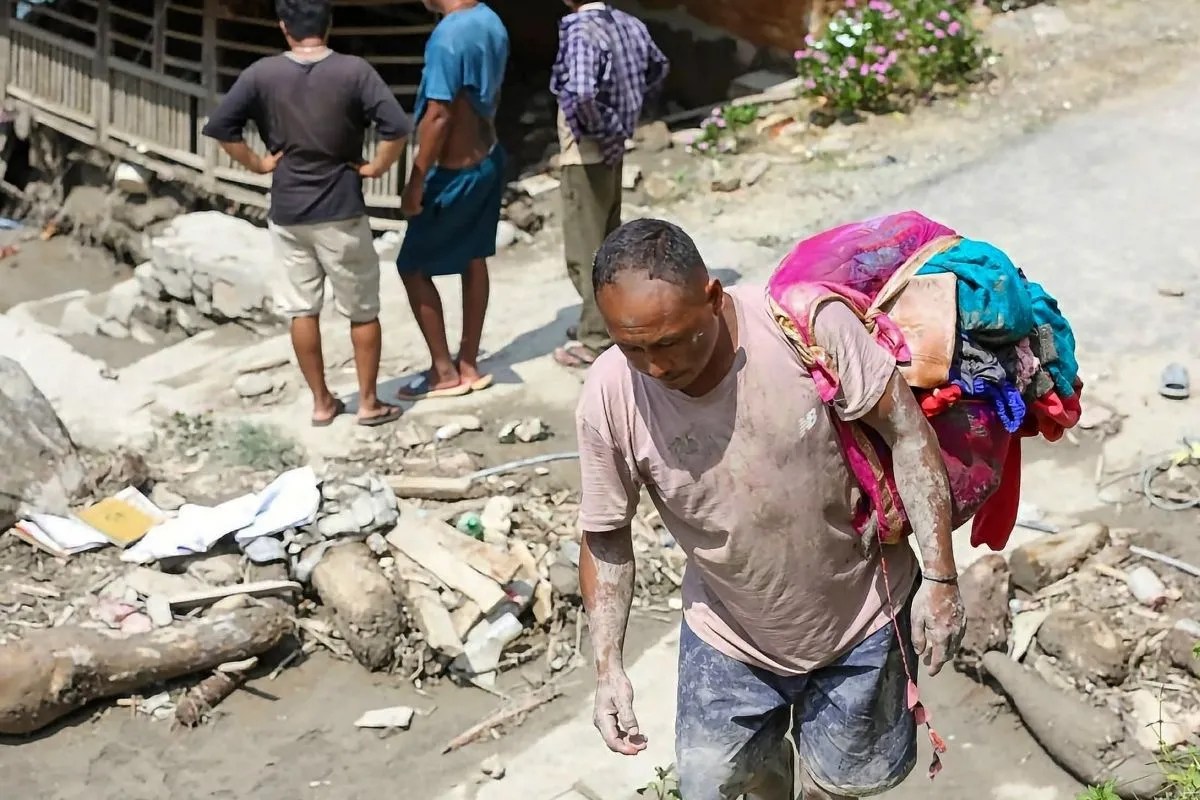
Disasters make for loud headlines, but the real noise happens in the quiet desperation of families left behind. When catastrophic flash floods tore through the Nepal-Tibet border region, sweeping away hotels, roads, and entire settlements in a matter of seconds, the world saw numbers on a screen. Hundreds dead. Thousands missing. Entire tour groups vanished. Behind every single data point is an individual story of unbearable grief, like parents searching endlessly through debris or borrowing money just to travel and look for a child.
If you're trying to understand the human reality behind the recent Nepal floods, you have to look past the official casualty reports. The tragedy didn't just wash away buildings; it shattered the fragile financial and emotional lives of working-class families who send their children away for work, or who scrape together every rupee to support a better future. For a more detailed analysis into similar topics, we suggest: this related article.
When Natural Disasters Collide With Debt
Disaster response always highlights a brutal economic divide. Wealthy tourists caught in the flash floods while on spiritual pilgrimages to Mount Kailash made international news as embassies scrambled to account for missing citizens from the United States, Canada, and India. But local families face an entirely different kind of nightmare.
Many young people move toward tourist hubs and border towns simply to find work, taking low-paying jobs in hospitality or local trade just to pay off family loans or fund basic household survival. When a glacial lake outburst sends a wall of icy water and debris barrelling down a valley with barely fifteen minutes of warning, these workers are often the most vulnerable. They don't have private helicopters or diplomats advocating for immediate private extractions. To get more context on the matter, comprehensive analysis can be read at NPR.
Instead, their aging parents are left dealing with localized bureaucracies, terrible phone connectivity, and local hospitals that are completely overwhelmed. Fathers who spent a lifetime working odd jobs suddenly find themselves borrowing money from local lenders just to finance bus tickets or pay for temporary shelter near disaster zones while searching for missing daughters and sons.
The Agony of the Search
Communication lines down. Roads blocked by massive landslides. Rescue operations halted repeatedly due to fresh flood warnings. For families searching the disaster zones, every hour brings a heavier wave of dread.
- The Phone Call That Never Comes: Relatives describe staring at mobile screens, jumping at every unknown number, only to find hollow assurances or dead silence.
- Borrowing to Search: Informal loans taken from local lenders become the only option for families who need to travel across states or districts to check makeshift morgues and rescue camps.
- The Institutional Void: Finding accurate lists of survivors or the missing remains an uphill battle, as local administrations struggle to reconcile chaotic data from remote Himalayan valleys.
What Recovery Actually Looks Like
Disaster relief doesn't end when the floodwaters recede. For families who lose their primary breadwinners, the financial collapse is immediate. Medical bills, unpayable private loans taken for travel or daily survival, and the total loss of income compound the trauma of losing a loved one.
If you want to support relief efforts effectively, look beyond generalized donations and focus on grassroots organizations working directly with displaced communities in Nepal. Direct financial aid helps families cover immediate search costs, travel expenses, and basic survival needs without plunging generations deeper into crippling cycles of debt. The physical debris in the valleys will eventually be cleared, but the economic and emotional scars left on these families will last for decades.