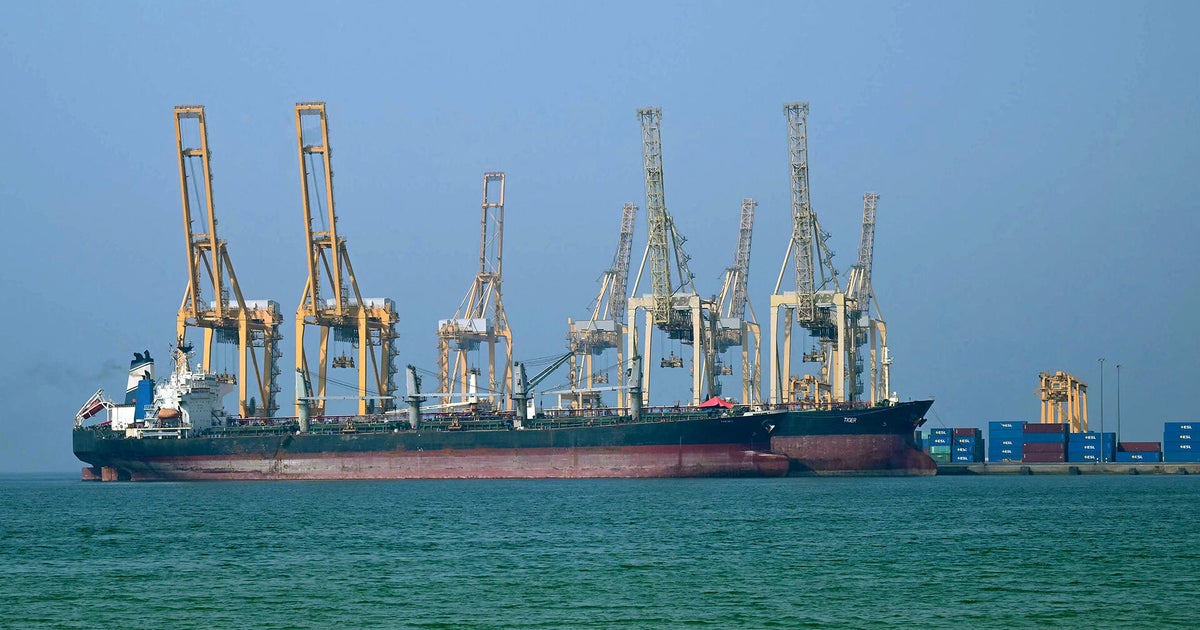
Oil prices didn't just fall today; they jumped off a cliff. The moment Iranian Foreign Minister Abbas Araghchi hit "send" on that post declaring the Strait of Hormuz "completely open," the floor fell out of the energy market. Brent crude dropped over 10% to around $89, and U.S. crude followed suit, tumbling to roughly $81 per barrel. It’s the kind of relief the global economy has been screaming for since the waterway was effectively choked off back in March.
If you’re looking for a reason why your stock portfolio is suddenly green, this is it. Wall Street is treating this like the end of a nightmare. The S&P 500 is surging, and airlines like United are seeing massive gains because, let’s be real, fuel is their biggest headache. But before you go all-in on this rally, you need to understand that "open" doesn't mean "fixed." We’re looking at a 10-day ceasefire window in Lebanon that’s holding the entire global supply chain by a thread.
The 20 Percent Chokepoint
You’ve probably heard the stat before: about a fifth of the world’s oil and a third of its liquefied natural gas (LNG) go through that narrow strip of water. When Iran shut it down in March 2026 after the U.S. and Israel started hitting military targets, they didn't just close a door; they put a noose around the neck of the global energy market.
Prices stayed high because the risk was binary—either the oil flows or it doesn’t. With the reopening, we’re seeing the "fear premium" vanish in real-time. But don’t confuse a temporary ceasefire with a peace treaty. The U.S. still has 10,000 personnel involved in a naval blockade of Iranian ports. President Trump is already on the record saying that the blockade stays until the "transaction with Iran is 100% complete." That’s a fancy way of saying we’re still in a standoff over their nuclear program.
Why the lag matters
Even if tankers start moving today, you won’t feel it at the pump tomorrow. It takes roughly 21 days for a tanker to get from the Persian Gulf to the major European hubs like Rotterdam. Markets are forward-looking, but the physical reality of oil is slow and heavy. Analysts at SEB Research are already pointing out that the European market will stay tight for weeks. We’re essentially watching a massive traffic jam slowly start to crawl forward.
Wall Street’s Short Memory
It’s funny how fast investors forget the bloodbath of the last month. The Dow is up over 1,100 points today because traders love a "de-escalation" story. They’re betting that falling oil prices will kill off the inflation spike we saw in March, which might finally get the Federal Reserve to cut interest rates.
- Airlines and Cruises: United and Royal Caribbean are the big winners. Cheaper jet fuel and diesel mean their margins aren't being eaten alive anymore.
- Consumer Goods: If it’s moved by a truck, it just got cheaper to sell.
- The Tech Outliers: Not everyone is invited to the party. Netflix is down 11% today, mostly because of internal issues like Reed Hastings stepping down from the board and weak growth forecasts. It proves that even a massive geopolitical win can’t save a company with bad fundamentals.
The Ceasefire Trap
The only reason the Strait is open right now is the 10-day truce between Israel and Hezbollah. It’s a fragile pause in a war that has already claimed thousands of lives across Iran, Lebanon, and Israel. Iran’s move is a clear piece of leverage. They’re showing the world—and specifically the U.S. administration—what life looks like when the oil flows.
But what happens on day 11? If negotiations over Iran’s nuclear ambitions stall, or if a single drone hits the wrong target in southern Lebanon, that Strait closes again. And the second time it closes, the market won't just dip; it’ll panic. We’ve seen this pattern several times during this conflict. Optimism swings to doubt faster than a day trader can hit the sell button.
How to Play This Volatility
Don’t get caught in the trap of thinking we’re back to $70 oil and a quiet Middle East. The underlying tensions haven't been resolved; they've just been paused.
If you’re managing your own money, watch the 10-year Treasury yields. They dropped to 4.24% today because investors are moving out of "safe haven" bonds and back into stocks. That’s a sign of confidence, but it’s a nervous confidence.
Check the "People Also Ask" logic here: Is inflation over? No. The March data already has the "oil shock" baked in. We won't see the relief from today's price drop in official government data for another month.
- Wait for the physical confirmation: Watch the ship tracking data. If the number of tankers actually exiting the Gulf doesn't spike in the next 48 hours, today's rally was built on a tweet and nothing more.
- Hedging is still your friend: The risk of a "re-closure" is high. If you're heavy on transport or retail stocks, keep some exposure to energy as a hedge against the ceasefire failing.
- Ignore the "Ending Soon" rhetoric: Politicians like to say wars are ending "swimmingly." The reality on the ground in Beirut and the Persian Gulf is far more complicated and involves a lot of people who aren't ready to put their weapons down.
The Strait is open, and for today, that's enough to keep the global economy from redlining. Just keep your eyes on the calendar. The next 10 days will decide if this is a turning point or just the eye of the storm.