They sold their houses. They packed forty years of marriage into four rolling suitcases, kissed their grandchildren goodbye at airport security gates, and wired hundreds of thousands of dollars into an escrow account for the privilege of waking up to a different ocean every morning.
Then, in the humid heat of a Cambodian port, the engines went quiet.
Stuck.
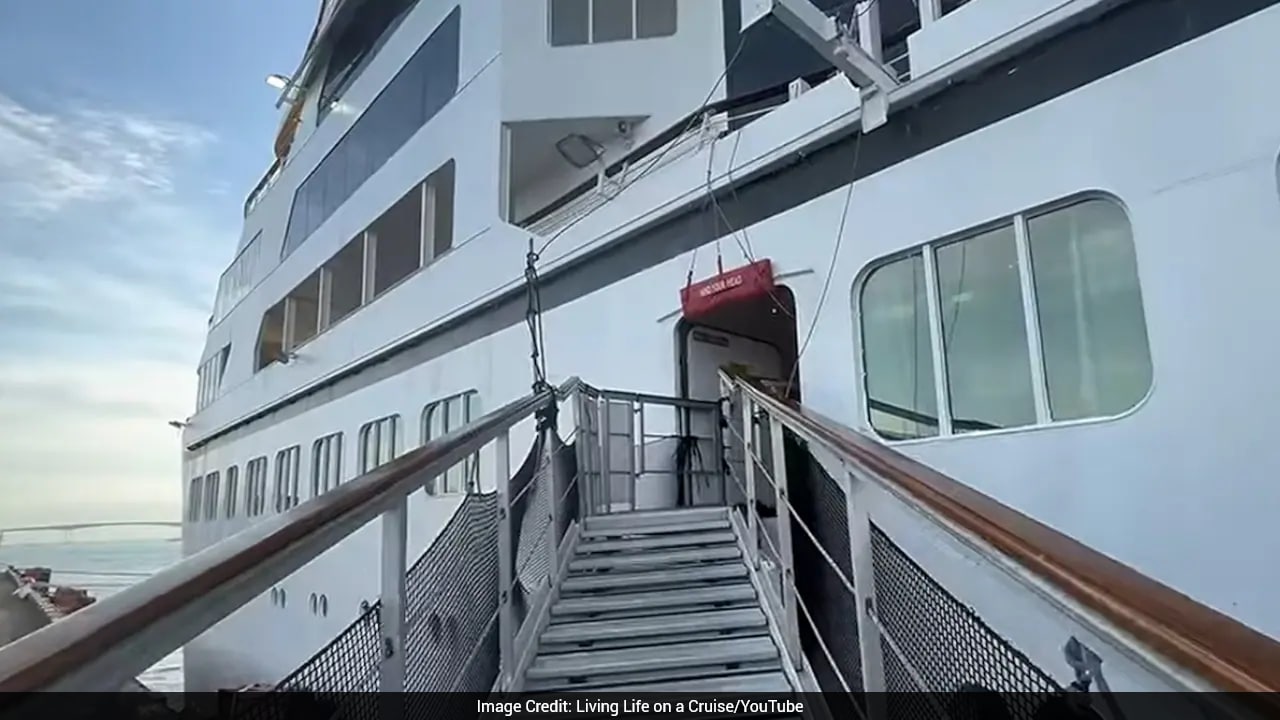
Two hundred passengers, most of them retirees who had traded the predictable comfort of suburban cul-de-sacs for a promised three-year circumnavigation of the globe, suddenly found themselves moored in Sihanoukville. Not for a scheduled afternoon of temple touring and iced coffee, mind you. For days. Then weeks. All because the vessel they had christened their floating home—the MV Gemini, chartered by the ambitious startup Life at Sea Cruises—could not afford the bunker fuel required to reach the next port of call.
I remember the first time I stood on the rusted pier of a foreign cargo terminal at three in the morning, watching a chartered vessel sit dead in the water while a port agent argued over wire transfers on a cracked smartphone. You learn quickly in maritime logistics that a ship without fuel is not a vehicle. It is a steel box full of anxious human beings slowly realizing that the ocean does not care about your itinerary. The air smells like diesel exhaust and stagnant salt water, and the silence from the engine room vibrates in your teeth.
The Architecture of a Floating Dream
To understand how two hundred intelligent, accomplished people ended up stranded in Southeast Asia, you have to understand the intoxicating math of residential cruising.
On paper, it sounds like genius. Why pay four thousand dollars a month for a condo in Florida, property taxes, utilities, and groceries when you can pay roughly the same amount—starting around thirty thousand dollars a year per person—to have someone else make your bed, cook your meals, and steer your balcony past the Taj Mahal, the fjords of Norway, and the Great Barrier Reef? For a generation staring down the barrel of stagnant retirement routines, a three-year world cruise was not just a vacation. It was a rebellion against aging.
Consider a hypothetical couple—let us call them Arthur and Evelyn, though their real-life counterparts exist in every cabin down Deck Four. Imagine Arthur, a retired civil engineer from Ohio, and Evelyn, a former school librarian. In early 2023, they look at their savings, look at the brochure promising 375 ports across 135 countries, and make a choice. They rent out their house on a three-year lease. They cancel their car insurance. They put their heirloom furniture into a climate-controlled storage unit in Columbus. By the time they step onto the gangway, they do not have a home to go back to. They have burned their boats, metaphorically, to live on an actual one.
That is the invisible stake that standard travel reporting misses. When a normal cruise cancels a port, you get a hundred-dollar onboard credit and an extra afternoon by the pool. When a residential world cruise stalls in Cambodia, you are functionally homeless in a country where you do not speak the language, holding a non-refundable ticket to nowhere.
The Economics of Empty Tanks
Why does a cruise ship run out of gas? The mechanics are brutally simple, even if the corporate excuses are draped in maritime jargon.
A mid-sized cruise ship like the MV Gemini—a vessel built in 1992 that measures roughly 537 feet long and carries around four hundred cabins—burns through staggering quantities of heavy fuel oil or marine gas oil every single day. Even sitting at anchor, a ship must run its auxiliary generators to keep the air conditioning humming, the toilets flushing, the refrigerators cold, and the desalination plants turning seawater into drinking water. At cruising speed, a vessel of that class easily consumes thirty to forty tons of fuel every twenty-four hours. At modern marine fuel prices, keeping that ship moving costs upwards of twenty-five thousand to thirty-five thousand dollars a day in fuel alone, before you pay a single deckhand, buy a single crate of lettuce, or pay a harbor pilot to guide you past a sandbar.
Think of a startup world cruise like a high-wire act where the performer is weaving the tightrope while walking across it. Established cruise giants like Royal Caribbean or Cunard have billions in cash reserves and credit lines backed by fleets of twenty or thirty ships. If bookings dip in Tuesday’s quarter, they absorb the shock.
A single-ship startup has zero margin for error. It relies on passenger deposits to pay for the ship’s charter lease, the dry-dock refurbishments, the port fees, and the fuel bunkers. If the company fails to sell enough cabins to cover the fixed daily burn rate, the cash flow dries up faster than a puddle on a teak deck.
And that is precisely what happened in the lead-up to the Cambodian standstill. Behind the glossy promotional videos of smiling retirees clinking champagne glasses at sunset, the parent company, Miray Cruises, was wrestling with internal leadership fractures, safety certification concerns raised by maritime surveyors, and a desperate scramble to secure a larger vessel when critics pointed out that the Gemini might not be seaworthy enough for the rougher open-ocean crossings of the Pacific and Atlantic.
Life Inside the Gilded Waiting Room
Imagine the psychological shift that occurs on Day Four of an unscheduled stay in Sihanoukville.
At first, the mood on board is polite, almost festive. Retirees are resilient people; they have survived recessions, flight delays, and bad knees. They treat the delay like an unexpected bonus excursion. They take tuk-tuks into town, bargain for silk scarves, eat grilled prawns by the beach, and swap rumors over gin and tonics in the ship’s lounge. A paperwork issue, someone says confidently at dinner. Customs clearance takes forever in this part of the world.
By Day Seven, the tone changes. The air conditioning in the lower corridors feels slightly warmer because the captain is conserving generator power. The buffet stops serving fresh berries and starts leaning heavily on rice, cabbage, and canned peaches. Rumors stop being amusing and start becoming frantic. Someone’s daughter in Chicago reads a maritime trade publication online and calls her mother on WhatsApp to ask why the ship’s fuel supplier is demanding cash up front before a single drop of diesel touches the hull.
This is where the fear settles in—not the dramatic, cinematic panic of a sinking ship, but the slow, grinding dread of financial betrayal.
You start doing the math at three in the morning while staring at the acoustic ceiling tiles above your bunk. You paid eighty thousand dollars up front. If the company declares insolvency tomorrow, where do you stand in line? Right behind the fuel brokers, the port authorities, the crew’s unpaid wage claims, and the bank holding the mortgage on the hull. Maritime law is notoriously unforgiving to passengers. When a shipping line goes under, a passenger is an unsecured creditor. Your ticket is just a piece of paper.
Even worse is the logistical trap of geography. Sihanoukville is not a major international aviation hub with direct flights to London, New York, or Toronto. Getting two hundred older travelers—many of whom require daily blood pressure medication, CPAP machines, or mobility assistance—out of Cambodia means booking multi-leg flights through Phnom Penh, Bangkok, or Singapore at last-minute walk-up fares that cost thousands of dollars per seat. And where do they fly to? Remember Arthur and Evelyn. Their house in Ohio is occupied by tenants who signed a binding lease until 2026. If Evelyn flies back to Columbus, she has to check into a Residence Inn and pay rent twice while paying a lawyer to try to claw back money from an offshore maritime corporation.
The Mirage of the Modern Nomad
We live in a cultural moment obsessed with frictionless escape. Every social media feed is saturated with stories of people who sold everything, bought a van, booked a one-way ticket, or moved onto a cruise ship to hack the cost of living. We love these stories because they flatter our desire to believe that we can opt out of mundane responsibility with a credit card and a bold attitude.
But the maritime industry has always been a brutal teacher of reality. Centuries before the MV Gemini dropped anchor off Cambodia, merchant expeditions routinely stalled in foreign ports when their aristocratic backers ran out of silver to pay for provisions and pitch. The modern cruise industry spent fifty years perfecting an illusion of effortless abundance—midnight buffets, towel animals folded into swans, smiling cruise directors—specifically to make you forget that you are riding inside an extraordinarily expensive piece of industrial machinery operating in an unforgiving environment.
When a startup tries to disrupt that industry without the capital reserves to weather a storm, the illusion shatters first, and the passengers pay the tuition.
Consider what happens next when a vessel stalls like this. Port authorities in developing nations cannot afford to have a derelict cruise ship clogging up a commercial berth, nor do they want two hundred stranded foreign nationals exhausting their tourist visas on the docks. Diplomatic cables start humming. Embassies get phone calls from panicked adult children back home. Crew members—mostly hardworking seafarers from the Philippines, Indonesia, and Eastern Europe who send eighty percent of their paychecks home to their families—find themselves caught in the middle, forced to smile and serve coffee while wondering if their own salaries will clear at the end of the month.
The tragedy is not simply that a vacation was ruined. Vacations get ruined every day by hurricanes, norovirus, and broken propellers. The deeper wound is that trust was weaponized against people who had spent their entire lives playing by the rules, saving their money, and waiting for their turn to see the world. They did not ask for extravagance. They asked for the horizon they had paid for.
The Sound of Anchor Chains
Eventually, through a combination of emergency cash injections, frantic restructuring, or agonizing refund negotiations, the stranded passengers of any stalled voyage find their way off the gangway. Some swallow the financial loss, buy economy tickets home, and sleep on their children’s pull-out sofas while waiting for credit card chargebacks to crawl through the banking system. Others, stubbornly clinging to the dream, transfer their hopes to another vessel, praying the next captain has a better credit line.
Yet long after the luggage tags are cut off and the lawsuits are filed in maritime courts, a specific sensory memory stays with anyone who has ever been stranded at sea. It is the sound of the heavy steel anchor chain rattling down through the hawsepipe—a violent, metallic roar that shakes the floorboards beneath your feet, followed by the sudden, unnatural stillness of a ship that is no longer going anywhere, while the empty ocean stretches out toward a sunset you can no longer afford to reach.