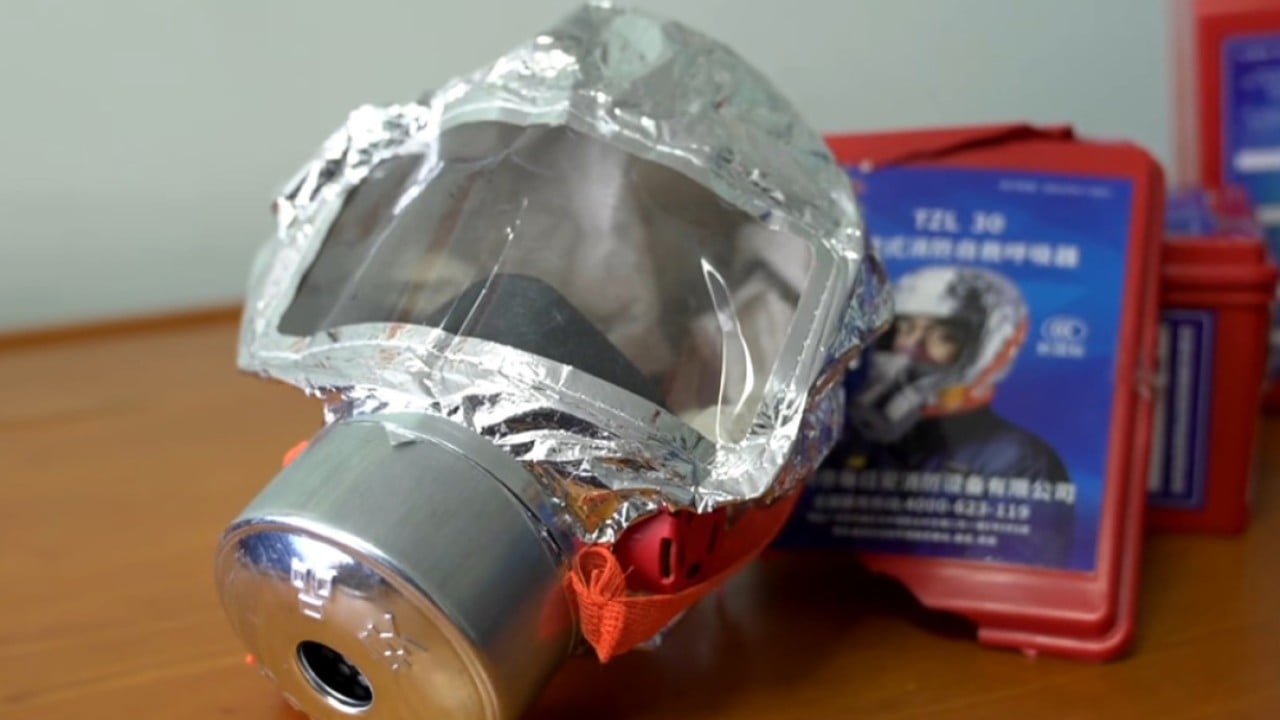
You check into a high-rise hotel, drop your bags, and immediately inspect the room layout. Most people look for the minibar or the view. Experienced travelers look at the back of the door for the evacuation map. But what happens when you open the bedside drawer and find something entirely unexpected? In many properties across the region, safety regulations are shifting past basic sprinklers and exit signs.
Hong Kong's hospitality sector operates under intense scrutiny. Space is tight, buildings stretch vertical, and millions of tourists pack into dense urban pockets every single year. When a crisis hits a tower block, standard evacuation rules get tested instantly. That reality is forcing a hard look at how guest safety is handled behind closed doors.
The Reality of High-Rise Smoke Hazards
Smoke kills long before flames ever reach a hotel room door. Carbon monoxide and toxic gases trap victims in hallways and stairwells within minutes. Traditional fire safety systems focus heavily on structural suppression, like sprinkler heads and heavy fire-resisting doors. Yet, those systems assume you can make it out to a clear corridor without breathing in lethal plumes.
Ask any veteran firefighter and they will tell you the same thing. The primary cause of death in structural fires isn't burns. It is smoke inhalation. If you cannot see your hand in front of your face, panic sets in fast. People make bad choices under pressure. They open doors into blazing corridors or get trapped waiting for ladders that cannot reach the upper floors of a skyscraper.
Filtering self-rescue respirators change the math. These specialized hoods seal around the head and filter out deadly toxins for a critical window of time. Having them accessible inside guest spaces bridges the gap between a localized room fire and a successful escape to the ground floor.
What Travelers Get Wrong About Hotel Emergency Gear
There is a common misconception that safety equipment guarantees instant survival without any effort on your part. Travelers often assume that if a gadget is provided, it means you can take your time during an emergency. That mindset is dangerous.
When an alarm screeches at three in the morning, seconds count. Fumbling with packaging or trying to figure out how a strap works while adrenaline spikes will waste precious time. If a property supplies a filtration hood, you need to know where it sits before you unpack your suitcase.
- Check the designated storage spot as soon as you walk in.
- Keep your room key and a flashlight right next to the bed.
- Never waste time packing personal luggage when an alarm sounds.
The local Fire Services Department has always stressed that equipment must aid an escape, never delay it. If putting on a protective device takes longer than opening the door to a clear hallway, drop it and run. But if the corridor is filling with thick, acrid smoke, that hood becomes your lifeline back to fresh air.
Raising the Bar for Regional Hospitality Standards
Hotels and guest houses face massive operational pressures to upgrade their safety inventories. Meeting basic code compliance used to mean having working fire hose reels and emergency lighting. Modern tourism demands a proactive approach. Guests are increasingly aware of structural risks, especially when staying in high-density urban environments.
Implementing these gear upgrades requires more than just buying boxes of safety equipment and tossing them into closets. Staff must receive training on how to instruct guests. Maintenance teams have to check expiration dates and seals regularly. A neglected safety device offers zero protection when an emergency actually happens.
Property owners who invest heavily in comprehensive occupant safety find that it changes their reputation. Word travels fast among frequent flyers. People want to know they are sleeping in a building designed to keep them alive if the worst-case scenario unfolds.
Next time you book a room, take a moment to look beyond the aesthetic appeal. Check what protection is actually sitting within arm's reach of your pillow. Knowing how to use every tool available in your temporary home can mean the difference between a close call and a tragedy.


