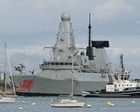
The Royal Navy's Type 45 destroyers have a reputation for being the most capable air-defense ships in the world, but they've also been plagued by mechanical gremlins since they first hit the water. HMS Dragon is the latest to find itself in the spotlight for the wrong reasons. While the ship was supposed to be a show of force in the eastern Mediterranean, it’s currently sitting at a pier in Cyprus.
Reliability isn't just a buzzword here. It’s a matter of national security. When a billion-pound warship can’t keep its basic internal systems running, it doesn't just impact the crew’s comfort. It sidelines a vital asset in a region that's currently a geopolitical tinderbox.
The water system failure that sidelined a destroyer
You might think a warship would only be stopped by an enemy missile or a massive engine explosion. The reality is often much more mundane. HMS Dragon was forced to divert to Limassol because of a serious failure in its fresh water systems. This isn't just about whether the sailors can take a hot shower.
On a modern vessel, fresh water is the lifeblood of the ship. It cools critical electronic systems, feeds the propulsion units, and, yes, provides drinking water for hundreds of personnel. If those pipes go down, the ship effectively becomes a very expensive floating office building. You can't run a high-intensity mission in the Mediterranean heat without functional cooling.
The Royal Navy confirmed the ship needed "essential maintenance" to fix the issue. They didn't go into the gritty details, but sources suggest the failure was significant enough that it couldn't be patched up while at sea. It’s a frustrating setback for a ship that only recently returned to the fleet after a massive multi-year refit.
The shadow of the Type 45 engine legacy
To understand why people are so sensitive about HMS Dragon’s current predicament, you have to look at the history of the Type 45 class. These ships were designed with a revolutionary integrated electric propulsion system. On paper, it was brilliant. In practice, the intercoolers on the gas turbines struggled with the warm waters of the Middle East and the Mediterranean.
For years, these ships suffered from total power blackouts. Imagine being in a combat zone and having your entire ship go dark. It happened. The Navy has been working through the Power Improvement Project (PIP) to fix this by replacing the diesel generators with more powerful units.
HMS Dragon was supposed to be the success story. It spent years in Portsmouth undergoing its mid-life upgrade, which included some of these vital fixes. Seeing it struggle with a basic utility like water shortly after its return feels like a "here we go again" moment for naval watchers. It raises questions about whether the class will ever truly shake off its reputation for being temperamental.
Why the timing in the Mediterranean is so bad
The eastern Mediterranean isn't a place where you want to be down a ship right now. With the ongoing instability in the Levant and the Red Sea, the Royal Navy needs its destroyers to be fully operational. These ships provide an "umbrella" of protection against aerial threats, including drones and ballistic missiles.
HMS Dragon was sent there to bolster the UK's presence and support regional security. When it has to pull into port for repairs, it leaves a gap in that coverage. Other NATO allies have to pick up the slack. It's a blow to British "Global Britain" aspirations when your primary contribution is stuck in dry dock or tethered to a Mediterranean quay.
The crew on HMS Dragon are some of the best-trained sailors on the planet. They can fix almost anything on the fly. If they couldn't fix this at sea, the problem was likely deep in the ship’s plumbing or involved specialized parts that weren't in the stores. It’s a logistics nightmare.
The human cost of mechanical failure
We often talk about ships like they’re just machines. They aren't. There are about 200 people living on HMS Dragon. When the water system fails, life becomes incredibly difficult. No laundry. No proper sanitation. No way to cool the galley.
It’s a massive drain on morale. Sailors expect to face danger, but they don't expect to be sidelined by a broken pipe after months of preparation. The Royal Navy is already struggling with recruitment and retention. Keeping ships in top-tier mechanical shape is one of the most basic ways to respect the people serving on them.
What happens next for Dragon
The engineers in Cyprus are likely working around the clock. The goal is to get the ship back into the rotation as fast as possible. The Navy has been tight-lipped about the exact timeline, but these kinds of repairs usually take days, not weeks, unless a bespoke part needs to be flown in from the UK.
Once the leaks are plugged and the pressure is back, HMS Dragon will head back out. But the scrutiny won't stop. Every time a Type 45 hits a snag, it fuels the argument that the UK moved too fast with unproven technology.
If you're following this story, keep an eye on the official deployment logs. The real test isn't just getting back to sea—it's staying there. The Royal Navy can't afford to have its "Dragons" resting in port when the world is this volatile.
Check the Ministry of Defence updates for the official line on the ship's return to duty. If the stay in Limassol stretches past a week, you'll know the "water system issue" was more than just a leaky valve. It’ll be a sign of a deeper systemic problem that the recent refit failed to catch. For now, the focus is on a quick fix and a return to the mission. The Mediterranean is waiting.