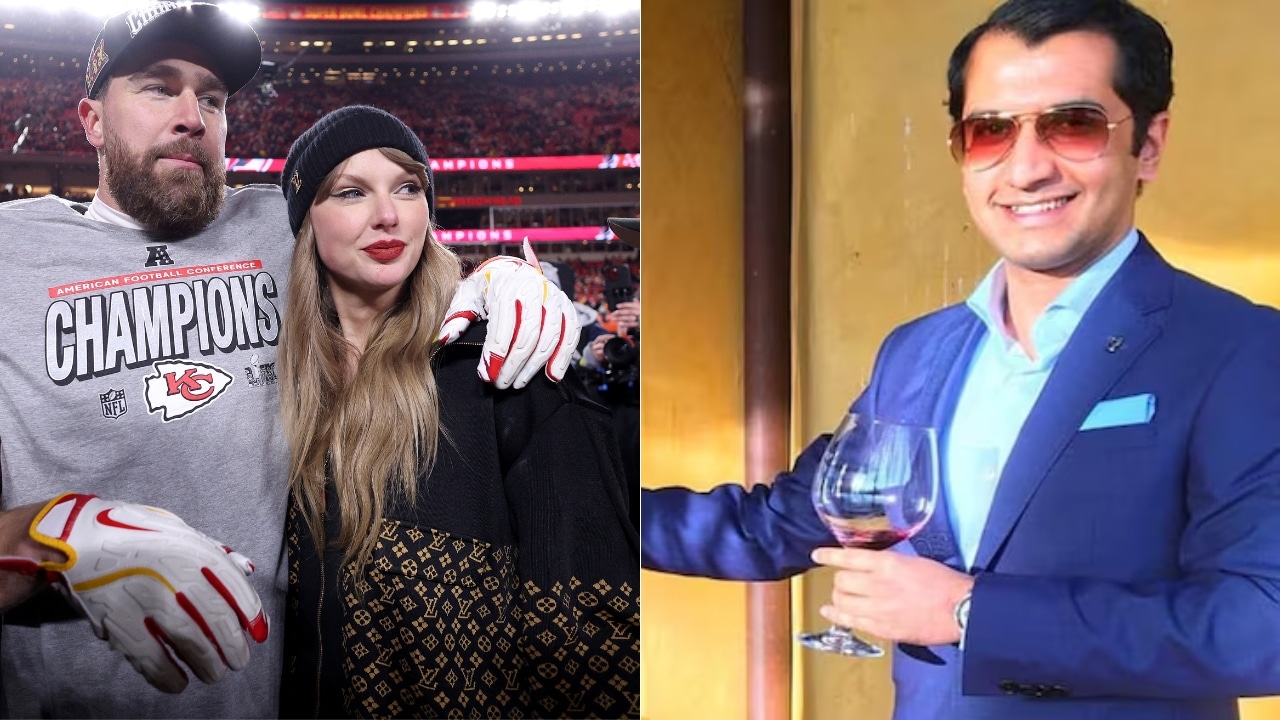
Wealth doesn't buy financial immunity. When federal prosecutors revealed that NFL star Travis Kelce—widely known publicly following his high-profile marriage to Taylor Swift—was among the victims of a massive multi-million-dollar fraud scheme, it shocked sports and finance circles alike. At the center of the storm was Texas investment adviser Siddharth Jawahar, who orchestrated a sprawling 35 million dollar Ponzi operation. Jawahar was eventually sentenced to 11 years in federal prison after pleading guilty to wire fraud and investment adviser fraud.
The story highlights a recurring vulnerability in elite wealth management: high earners often assume that smooth-talking operators running boutique funds possess secret access to safe, high-yield returns. But how did the scheme actually work, and why do sophisticated athletes and celebrities routinely get caught in these financial traps?
The Anatomy of the Swiftarc Capital Fraud
Siddharth Jawahar built an investment vehicle under the banner of Swiftarc Capital LLC, drawing in roughly 64 distinct investors over several years. The pitch seemed straightforward enough on paper. Jawahar claimed to funnel client money into foreign equities, specifically concentrating heavy stakes in Philip Morris Pakistan.
The trouble started when those underlying international assets began to tank. Rather than reporting the losses and facing angry clients, Jawahar allegedly chose a darker path. According to the United States Department of Justice, he never actually invested the vast majority of the capital entrusted to him. Out of the 35 million dollars collected from victims, investigators found that only about 10 million dollars ever made it into actual investments.
The rest of the money funded a lifestyle straight out of a movie. Jawahar spent millions on private jet charters, luxury hotels, high-end shopping sprees, and expensive urban apartments. To maintain the illusion of profitability, he operated a classic Peter-to-Paul payment cycle, using incoming cash from new investors to pay out fake returns to older clients.
Why Athletes and Celebrities Make Prime Targets
People wonder how professional athletes, who are surrounded by agents, financial planners, and legal teams, manage to lose money in blatant scams. The reality is that fame and fortune often create an isolated ecosystem.
Athletes live demanding, high-intensity lives. They focus entirely on performance, training, and maintaining their physical peak. Consequently, they must delegate wealth management to third parties. They trust advisers who present well, drop the right industry names, and project an image of exclusive access.
When a fund manager associates with recognizable names or boutique tech ventures—as Jawahar managed to do, securing early-stage visibility in circles that included professional athletes—it builds a false wall of credibility. Once a few prominent figures buy in, social proof does the heavy lifting for the rest of the roster. Investors stop asking hard questions because they assume someone else already did the due diligence.
The Immigration and Cover-Up Twists
The federal case against Jawahar uncovered layers of deception that went far beyond typical white-collar crime. Court documents revealed that Jawahar had been living and operating illegally in the United States since 2005, using falsified documents and hidden financial footprints to evade scrutiny for nearly two decades.
When the investigation began to close in, panic set in. Prosecutors noted that Jawahar attempted to obstruct justice by instructing a family member to remotely wipe his iPhone to scrub digital evidence. Despite these efforts, the grand jury indictment stuck, leading to his guilty plea and subsequent 11-year prison term.
For public figures like Kelce, whose representatives confirmed his status purely as a victim of the fraud with no allegations of wrongdoing, the ordeal is an expensive reminder of the risks tied to private wealth placement. No public disclosures specified the exact dollar amount of Kelce's individual loss, but federal judges made it clear during sentencing that the psychological and financial toll on the 64 victims was severe.
Protecting Wealth from Private Fund Schemes
You don't need a multi-million-dollar portfolio to learn from high-profile investment disasters. Fraudsters rely on the same psychological triggers regardless of whether they are fleecing a tight end in the NFL or a retail investor online.
Always demand independent custody of your assets. If an investment adviser insists on holding your money directly rather than using an established, third-party brokerage firm like Fidelity or Charles Schwab, walk away immediately. Legitimate managers trade through recognized custodians where you maintain direct visibility over your balance statements at all times.
Second, be deeply skeptical of consistent, steady returns that defy broader market conditions. If a fund claims to beat traditional indices year after year without experiencing significant drawdowns, it is usually hiding bad news or running a fictitious ledger. Real markets fluctuate, and transparency is non-negotiable. Vet every adviser through regulatory databases like FINRA's BrokerCheck before handing over a single dollar.