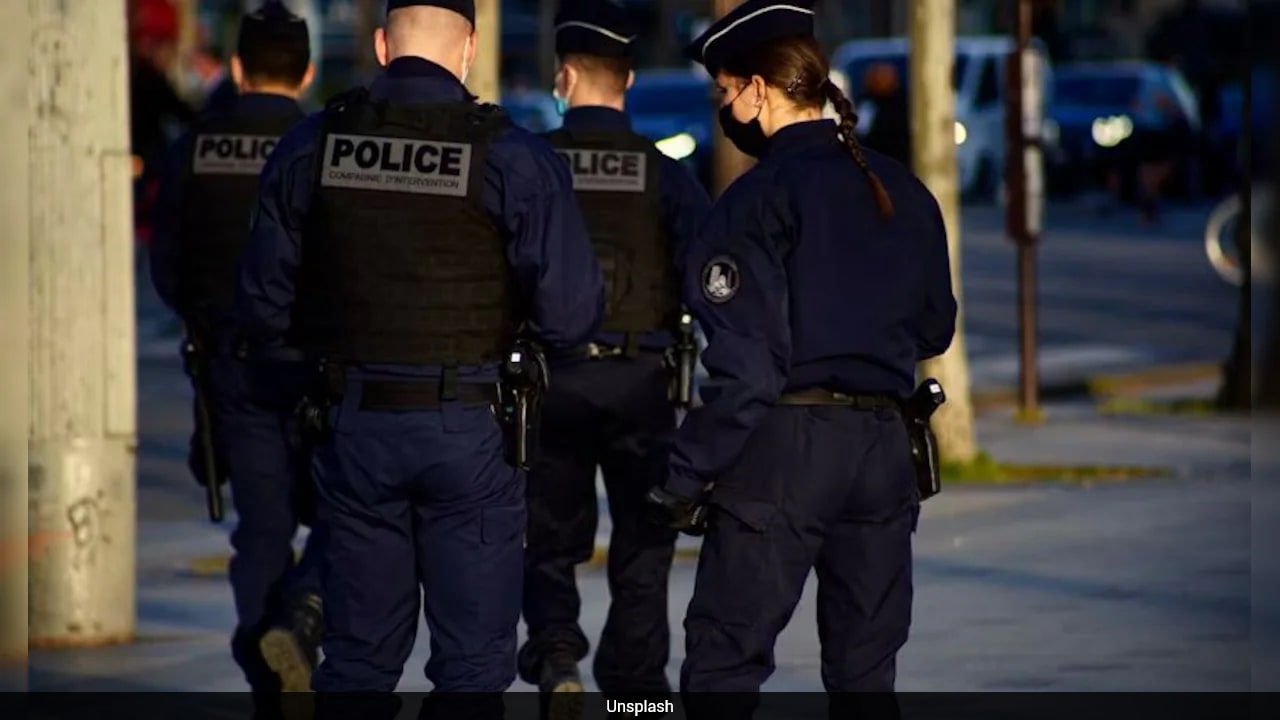
When law enforcement officials kicked down the door of a home in Champigny-sur-Marne, a quiet commune southeast of Paris, they expected a routine narcotics bust. The investigation targeted local drug trafficking. They found what they came for. Officers seized cannabis, stacks of illicit cash, and an assortment of luxury goods stashed away inside the suburban residence.
Then things took a bizarre turn.
Hanging out in the middle of a stash house was a genuine, authenticated masterpiece painted by Pablo Picasso.
The Creteil public prosecutor’s office confirmed the stunning discovery. According to the Alliance Police Nationale union, the multi-million dollar painting had been quietly stolen from a storage facility in Paris. While prosecutors have yet to name the specific artwork, the police union estimates its value at tens of millions of euros. Four suspects are already facing charges linked to theft, handling stolen property, and narcotics trafficking.
This is not a bizarre, one-off anomaly. It happens all the time.
Street-level criminals are increasingly holding iconic masterpieces next to bags of weed. Understanding why reveals a dark truth about how the modern black market operates.
The Secret Economy of Stolen Art
Most people assume art thieves are elegant masterminds who steal custom pieces for wealthy, reclusive billionaires. Hollywood loves this trope. It makes for a great movie.
In reality, stolen high-end art is basically used as underworld currency.
If you steal a Picasso worth forty million euros, you cannot just list it on eBay. You cannot take it to a local auction house either. The Art Loss Register tracks high-value missing pieces globally, making them impossible to sell to legitimate collectors.
Because the art is too hot to cash out, it transforms into an underworld collateral token.
Major criminal syndicates use masterpieces to secure massive drug shipments. A local cartel or drug trafficking group will hand over a stolen painting to an international supplier as a temporary security deposit. The supplier holds the painting until the street sales generate enough cash to pay for the narcotics. Once the cash clears, the painting goes back to the local crew, or gets passed along to the next syndicate down the line.
Why Street Traffickers Keep Multimillion Dollar Masterpieces
Holding onto a famous painting seems incredibly stupid if you are already running an illegal drug operation. It acts as a massive lightning rod for international law enforcement. Yet, cartels and local distributors take the risk anyway for a few specific reasons.
- Value concentration: A single canvas can hold thirty million euros in value. It takes up less physical space than a massive pallet of cash, making it much easier to hide during a routine patrol or transition.
- Collateral power: International drug networks do not extend credit based on trust. They require collateral. A verified masterpiece bridges the gap when millions of euros in cash cannot be easily wired across borders.
- Barter leverage: Stolen art is frequently traded directly for weapons, ammunition, or safe passage through contested smuggling routes.
The French police union noted that the Champigny-sur-Marne Picasso came from a Parisian storage facility. This highlights a massive vulnerability in the art world. Millions of dollars in elite art sit in commercial warehouses with mid-tier security systems. Thieves target these spaces precisely because they lack the military-grade surveillance found in major national museums.
What Happens to Recovered Masterpieces
The recovery of a Picasso in a Paris suburb triggers a complex legal and bureaucratic pipeline.
First comes authentication. Experts must inspect the canvas, the paint structure, and the provenance documentation to verify it isn't an elaborate forgery. In this specific French raid, prosecutors confirmed that the piece has already been officially authenticated.
Next, the police look for the rightful owner. If the piece was stolen from a private collection or a commercial gallery, insurance companies have likely already paid out a massive claim. When that happens, the insurance firm technically owns the painting. They will eventually sell it at a specialized auction to recoup their losses.
If you own high-value collectibles or high-end art, this French raid serves as an urgent reminder to audit your security. Relying on an off-site storage unit or standard home security is a massive gamble. Ensure your pieces are registered with international databases, keep your appraisal paperwork updated, and install dedicated, monitored climate and security controls. The criminal underworld treats your investment like cash, and they are always looking for an easy way to fund their next shipment.