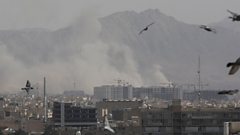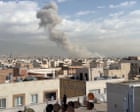
The Middle East just shifted. If you’re looking for a simple "who hit who" tally, you're missing the bigger picture. We aren't just talking about a few explosions in the desert anymore. On February 28, 2026, the world watched as a coordinated US and Israeli operation—codenamed Epic Fury and Roaring Lion—tore through the heart of the Iranian regime. This wasn’t just another exchange of fire; it was a fundamental rewrite of the regional order.
While the headlines focus on the smoke rising over Tehran, the real story lies in the collapse of decades-old red lines. From the reported death of Supreme Leader Ayatollah Ali Khamenei to the direct targeting of political nerve centers, the level of aggression has jumped several rungs up the escalation ladder. You need to understand how we got here and why the Iranian response is hitting places nobody expected.
Why This Isn't Just Another Border Skirmish
For years, the conflict between these powers was a "shadow war." Israel hit convoys in Syria; Iran used proxies in Lebanon and Yemen. That’s over. The strikes that began this weekend targeted the very brain of the Islamic Republic.
We saw waves of F-35s and long-range US bombers hitting over 14 major cities. This wasn’t just about "degrading capabilities." When bombs land on the Supreme Leader's residence in central Tehran, the message is clear: regime change is on the table. President Trump’s direct appeal to the Iranian people to "take their country back" confirms this isn't a surgical strike meant to send a message. It’s an attempt to end a system.
The Targets That Mattered
While most news outlets are listing "military infrastructure," let’s be specific about what actually got hit.
- Nuclear Hubs: Sites in Isfahan, Qom, and the Fordow facility—already battered in the 2025 "12-Day War"—were hammered again to ensure the enrichment cycle can’t restart.
- Leadership Compounds: The residences and offices of the IRGC high command and the Supreme Leader himself.
- Air Defenses: S-300 and S-400 batteries in the western provinces were neutralized early to give the US and Israel "air supremacy" over Iranian soil.
- Missile Caches: Specifically, the underground "missile cities" in Khuzestan and Ilam were targeted to blunt Tehran's ability to fire back.
The Response That Caught the World Off Guard
If you expected Iran to only fire at Tel Aviv, you haven't been paying attention. Tehran’s response has been a "scorched region" strategy. Instead of a localized fight, they’ve turned the entire Persian Gulf into a combat zone.
Iran knows it can't win a symmetrical air war against the US and Israel. So, it's hitting the one thing that hurts the global economy: the Gulf Arab states. For the first time, we've seen ballistic missiles and drones impacting near civilian airports and hotels in Dubai and Abu Dhabi. They aren't just hitting US bases like Al-Udeid in Qatar; they’re punishing the neighbors for what they perceive as complicity.
A Timeline of the Escalation
The speed of these events is dizzying.
- February 26: Nuclear talks in Geneva collapse. No deal. No progress.
- February 27: US military presence in the region reaches its highest level since 2003.
- February 28 (Morning): Coordinated strikes begin. Explosions reported at the Sharan Oil depot and intelligence HQs in Tehran.
- February 28 (Evening): Trump confirms the death of Khamenei. Iran’s state media initially denies it, then goes silent.
- March 1: Iran launches a massive multi-front barrage. Missiles hit Israel, but they also land in Kuwait, Bahrain, and the UAE.
The Strategy Behind the Chaos
Why would Iran attack its neighbors now? It’s a desperate move to force a ceasefire. By making the cost of the war unbearable for the UAE and Saudi Arabia, Tehran hopes these countries will pressure Washington to stop.
But it’s a massive gamble. Instead of backing down, countries like the UAE have denounced the "blatant attacks," and we’re seeing a hardening of the "Axis of Resistance" versus the rest of the region. The old "proxy" model where Iran hides behind Hezbollah is crumbling because the central power in Tehran is under direct, existential threat.
What the Media Isn’t Telling You
There’s a tragic human cost that often gets buried in talk of "geopolitical shifts." Reports from the southern city of Minab indicate a strike hit a school near an IRGC base, resulting in over 150 casualties. These "collateral" events are what fuel the long-term resentment that makes "regime change" from the outside so messy and unpredictable.
Furthermore, the internal state of Iran is a tinderbox. With the top leadership reportedly decapitated, the IRGC is likely operating in "autonomous mode." This means there isn't one person to negotiate with. You're dealing with various commanders, each with their own finger on a missile button.
Survival Guide for the Next 72 Hours
If you’re in the region or have interests there, don't wait for things to "simmer down."
- Airspace is a mess: Most regional carriers have suspended flights. Expect more closures in Jordan and Iraq.
- Energy prices will spike: Even if the Strait of Hormuz isn't fully blocked yet, the insurance risk alone is going to drive oil prices through the roof.
- Information war is peaking: Don't trust every video you see on social media. Both the IDF and the IRGC-linked channels are pumping out "victory" footage that is often months old.
The shadow war is dead. We are now in the era of direct, high-intensity conflict between the region's most powerful actors. The question isn't whether Iran will respond anymore—it’s whether there’s enough of a regime left to stop the fire once it’s started. Secure your logistics, verify your sources, and prepare for a very different Middle East.