Most people believe their living room is a sanctuary of cleanliness, provided the floors are vacuumed and the throw pillows are arranged. This assumption is comforting, entirely standard, and fundamentally wrong. Beneath the brushed texture of microfiber, the tight weave of linen, and the supple grain of leather lies an accumulation of organic debris that accumulates over years of daily friction. A sofa is not merely a piece of furniture; it is a structural sink for dead skin cells, airborne particulate matter, oils, spilled liquids, and microscopic organisms. When a routine cleaning finally exposes what has been trapped inches below the cushions, the reality is frequently unsettling.
Understanding why furniture harbors this unseen buildup requires looking past the surface fabric and examining human physiology and household physics. Every time an adult, child, or pet sits down, microscopic shedding occurs. Humans shed roughly thirty to forty thousand skin cells every single hour. A significant portion of this biological matter drifts downward, lodging securely within the porous matrix of upholstery cushioning. Combined with ambient dust, tracked-in pollen, pet dander, and natural body oils transferred through clothing, this creates a dense, compacted layer of detritus deep inside the padding.
Standard cleaning methods rarely reach this underlying accumulation. A regular household vacuum attachment glides across the upper boundary of the upholstery, capturing crumbs and surface dust while leaving the deeper layers completely undisturbed. Fabric fresheners and surface sprays do nothing to address the organic matter lodged in the foam core; they merely mask volatile organic compounds with heavy artificial fragrances. Over time, moisture from spills, humidity, and atmospheric condensation mixes with the trapped debris, creating an environment where dust mites thrive. These microscopic arachnids feed on shed skin cells, and their waste products are a primary trigger for indoor allergies and respiratory irritation.
The textile industry often selects upholstery fabrics based on aesthetic durability rather than hygienic maintenance. Synthetic blends, chenille, and textured weaves are particularly adept at trapping particulate matter between their twisted fibers. Once a particle slips past the surface tension of the weave, mechanical friction from sitting pushes it deeper toward the springs and wooden frame. Leather and performance vinyl offer a distinct advantage regarding surface containment, preventing liquids and oils from penetrating the core. However, even high-end leather sofas feature stitching lines, seams, and tufted buttons that serve as direct conduits for debris to fall into the interior padding.
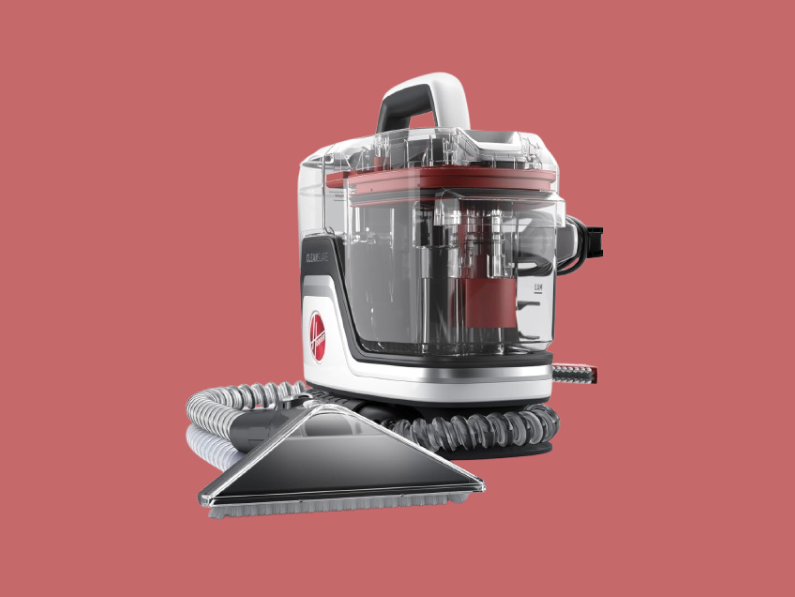
Addressing this problem effectively demands a fundamental shift in how domestic maintenance is approached. Surface wiping is insufficient. True restoration requires extraction methods that combine controlled thermal energy, specialized surfactant solutions, and high-pressure fluid recovery. When professional hot-water extraction is applied correctly, heated solution penetrates the fabric and foam matrix, dissolving accumulated body oils and suspending trapped particulates before powerful suction draws the contaminated moisture away. The visible discoloration of the extracted water—often turning a dark, opaque amber despite the fabric appearing clean on top—serves as immediate, undeniable proof of what has been residing in the furniture.
Ignoring the interior condition of everyday upholstery has tangible consequences for indoor air quality. Every time someone sits down or adjusts their position, air trapped within the cushions is forced outward, carrying micro-particles into the breathing zone of the room. For households with young children who play directly on upholstered surfaces, or individuals with pre-existing sensitivities, this constant aerosolization of accumulated dust and allergens can contribute to chronic discomfort. Maintaining a genuinely clean home environment involves looking beyond horizontal hard surfaces and recognizing that soft furnishings require active, deep-level intervention to prevent long-term particulate buildup.



