Six people went to the hospital and many others were left shaken when a floor gave way during a wedding celebration at a popular New Hampshire venue. It’s the kind of nightmare nobody plans for when they’re picking out floral arrangements or tasting cake. One minute you’re dancing, and the next, the ground literally disappears. This wasn't a freak accident. It’s a wake-up call about the structural integrity of the "rustic" aesthetic that has dominated the wedding industry for the last decade.
The collapse happened in Hampton, New Hampshire. It didn't just cause physical injuries; it exposed a massive gap in how we perceive the safety of older, repurposed buildings. When you cram dozens of people into a space designed for hay storage or light agricultural use, you’re testing the limits of physics. Most guests don't think about load-bearing joists when they're toastng the happy couple. They should.
What Happened at the Hampton Venue
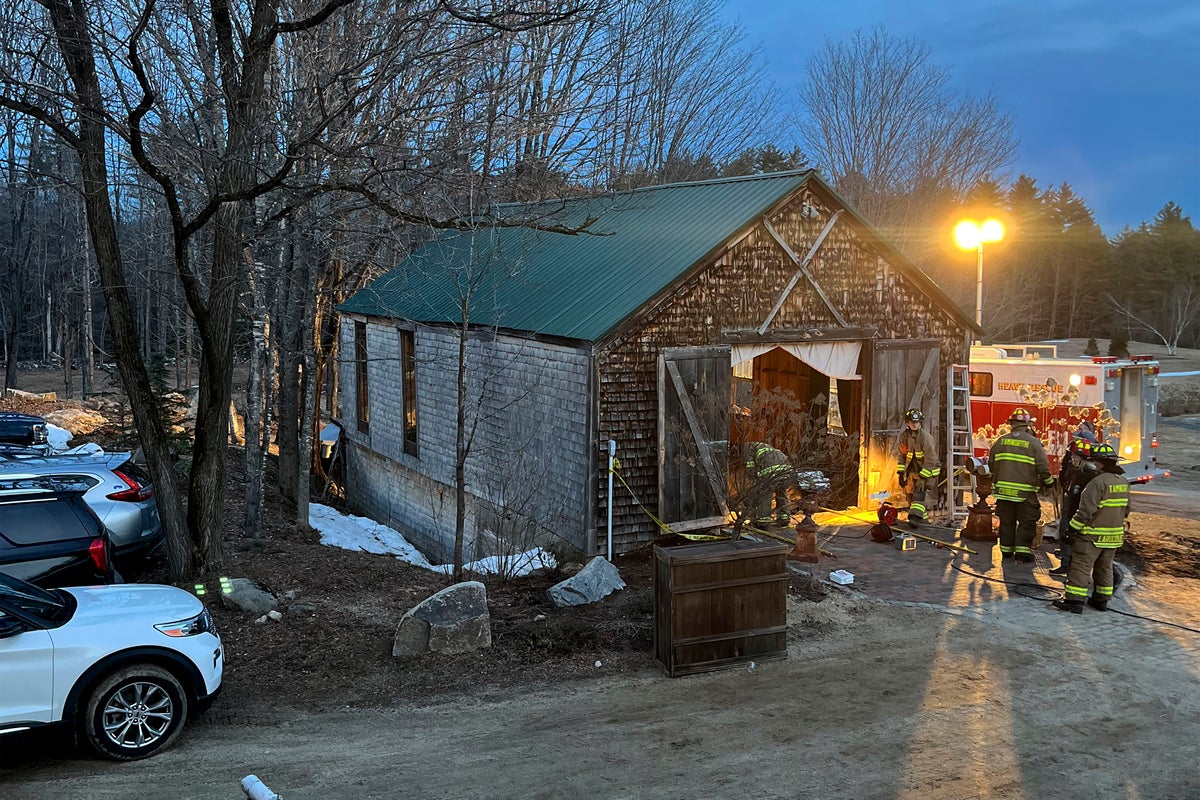
The emergency calls started coming in during the height of the reception. First responders arrived to find a scene of chaos. A section of the floor had dropped, trapping several guests in the structural debris. Firefighters had to use specialized equipment to stabilize the area before they could even get to the people stuck underneath. It’s a terrifying scenario. You have heavy wooden planks, furniture, and the weight of other people all coming down at once.
Six people were transported to local hospitals. Their injuries ranged from broken bones to significant bruising and lacerations. While none of the injuries were reported as life-threatening in the immediate aftermath, the psychological toll of a floor collapsing beneath your feet is permanent. The venue, which often hosts high-end events, was quickly shuttered for a full investigation by the fire marshal and building inspectors.
This wasn't a case of "too many people." Most of these venues have strict occupancy limits. The real issue usually lies in the aging timber and the way dynamic loads—like a room full of people dancing in unison—affect old wood. A floor that can hold 100 people standing still might fail when those 100 people start jumping to a song.
The Problem With the Rustic Barn Trend
New England is famous for its barn weddings. It’s a billion-dollar industry in New Hampshire alone. You get the rolling hills, the weathered wood, and that perfect "shabby chic" vibe. But there’s a dark side to that charm. Many of these barns are over a hundred years old. They were built for tractors and livestock, not for high-occupancy commercial events.
Conversion is expensive. To truly make a barn safe for a modern wedding, you can't just slap on a coat of paint and some fairy lights. You have to reinforce the entire subfloor. You often need steel I-beams hidden behind the rustic facade. Honestly, a lot of property owners cut corners because the cost of true structural retrofitting can run into the hundreds of thousands of dollars.
Building codes in New Hampshire have tightened, but older venues often operate under "grandfathered" status. This means they might not meet the 2026 standards for floor load capacity or fire suppression. When you’re touring a venue, you’re looking at the view. You aren't looking at the spacing of the floor joists in the basement. That’s a mistake.
Warning Signs Every Couple Should Look For
You don't need to be a structural engineer to spot red flags. If you're planning an event in an older building, look for these issues:
- Visible sagging: Look at the floorboards from a distance. If there’s a dip in the middle of the room, that’s a structural failure waiting to happen.
- Bouncy floors: If you walk across the room and feel the floor vibrate or "spring" under your feet, it isn't designed for a heavy dance floor.
- Water damage: Dark stains on the wood or a musty smell in the lower levels suggest rot. Rotted wood has zero structural integrity.
- Recent permit history: Ask the venue manager when the floor was last inspected by a professional engineer. If they get defensive, walk away.
The Legal Aftermath for Victims
The six injured guests in Hampton are now facing a long road of medical bills and potential lost wages. In cases like this, the liability usually falls squarely on the property owner and the venue operator. Under New Hampshire premises liability law, business owners have a "duty of care" to keep their property safe for visitors. A floor collapsing is a textbook breach of that duty.
It’s not just about the venue, though. Sometimes the blame spreads. Was there a catering company that brought in heavy equipment that exceeded the floor’s capacity? Did a rental company set up a heavy stage in an area not meant to support it? These are the questions the fire marshal and insurance investigators are currently chewing on.
Victims in these situations shouldn't just "tough it out." Internal injuries and spinal issues from a fall often don't show up until days or weeks later. Adrenaline is a hell of a drug; it masks pain until the shock wears off. If you're ever involved in a structural failure, get a full medical evaluation immediately, even if you think you’re "fine."
Why This Will Change the New Hampshire Wedding Scene
The Hampton collapse is going to trigger a wave of inspections across the state. Expect the state fire marshal’s office to be much more aggressive about checking the load-bearing specs of event spaces. For couples planning weddings in 2026 and 2027, this might mean higher prices as venues scramble to pay for upgrades and increased insurance premiums.
Insurance companies are already skittish about "alternative" venues. After an event like this, they’ll likely demand certified engineering reports before renewing policies. If a venue can't prove their floor can handle 100 pounds per square foot of "live load," they won't get covered. Without insurance, they can't legally host your wedding.
Protect Your Own Event
If you're currently booked at a rustic venue, don't panic, but do ask questions. You have every right to see the occupancy permit and the most recent fire inspection report. Specifically, ask about the "live load" capacity of the dance floor area.
- Check the insurance: Ensure the venue has a current general liability policy that specifically covers structural failure.
- Wedding Insurance: Get your own policy. "Cancellation and Postponement" insurance can protect your deposits if the venue is shut down by the city after a failed inspection.
- Site Visit: Go to the venue when another event is happening. Watch the floor. Does it move when people dance? If it does, rethink your floor plan.
The Hampton incident is a tragedy that could've been much worse. It serves as a blunt reminder that "rustic" shouldn't mean "dangerous." We love the history of these buildings, but we have to respect the limits of old wood and iron.
Check your contracts today. If your venue doesn't have a recent structural certification on file, demand one or start looking for a backup plan. Your guests' safety is worth more than a "perfect" Instagram backdrop. It's better to change your venue now than to watch your wedding end in an ambulance ride.