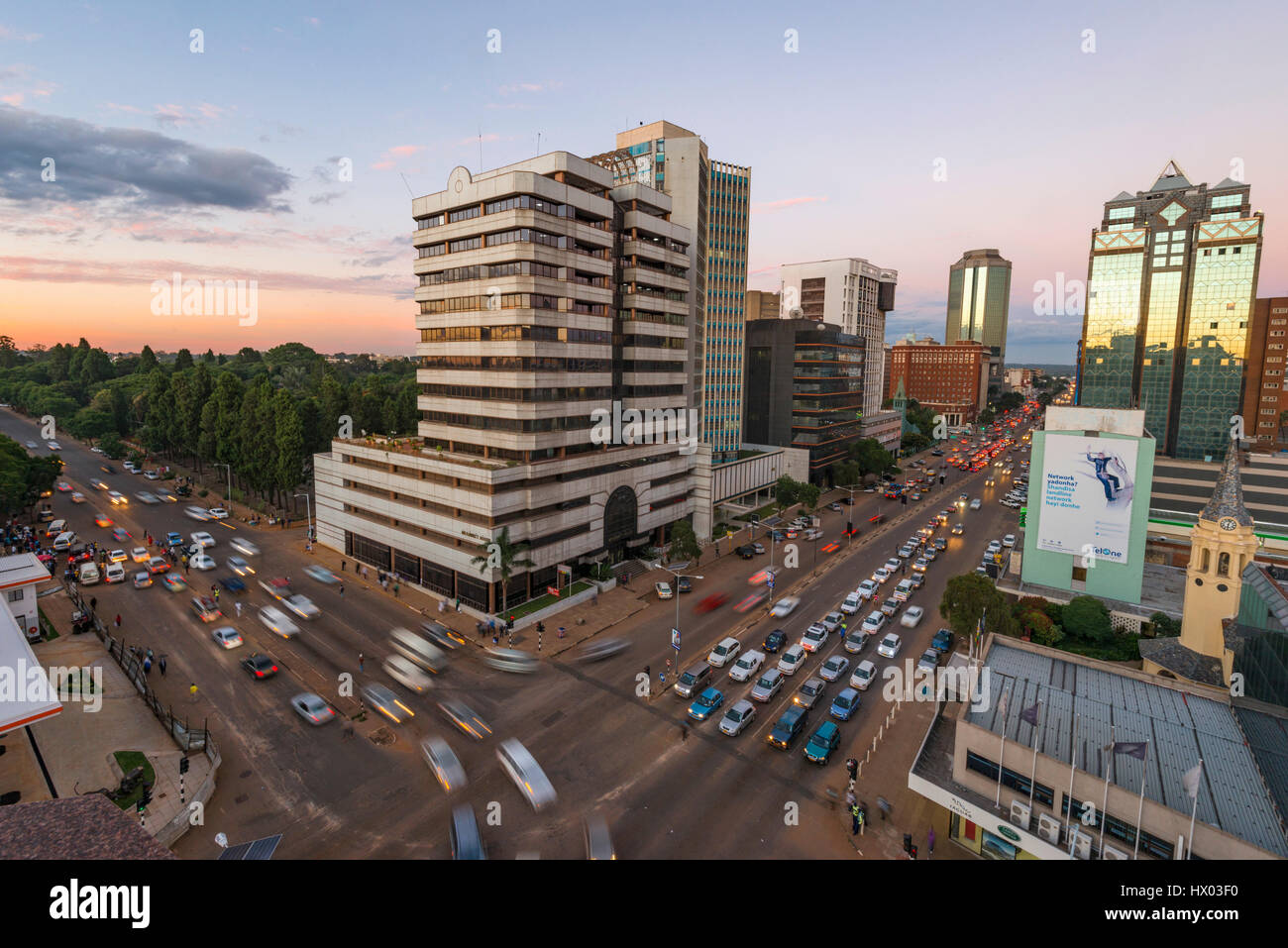
The concrete hums. If you live in a high-rise city, you learn to read the architecture not by its grand facades, but by its shared vulnerabilities. Vertical living is a social contract signed in close quarters. We trust the person above us not to drop their morning coffee over the balcony. We trust the neighbor across the hall to keep their music at a low drone.
But sometimes, the contract dissolves.
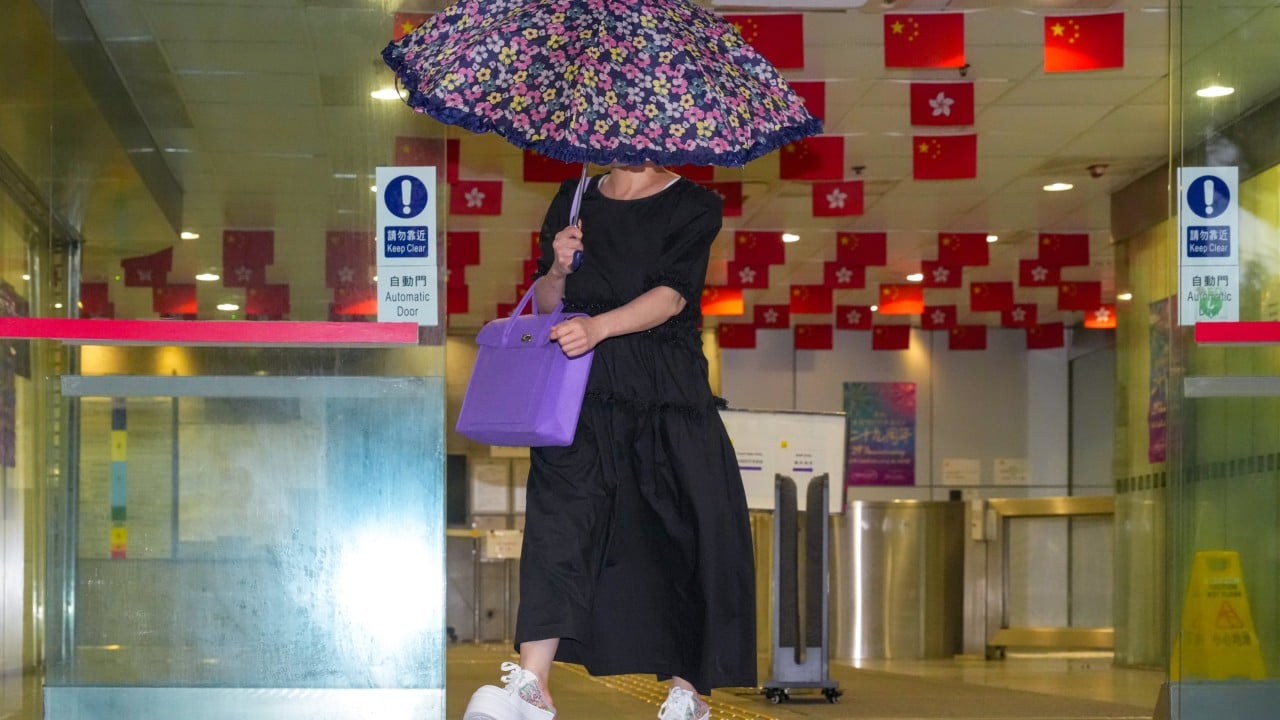
When it does, the fracture line rarely looks like a grand, cinematic standoff. It looks small, petty, and deeply visceral. In Hong Kong's Eastern Court, a 59-year-old housewife named Suen Siu-fong stood before a magistrate on a Wednesday afternoon. The charges leveled against her sounded like something born from dark satire, yet they represented the ultimate breakdown of urban neighborliness: she was found guilty of throwing feces onto an air conditioning unit and intentionally damaging a security camera.
To look at the court filings is to view a dry sequence of modern friction. A woman, a trial, a conviction. But the real problem lies elsewhere, rooted in the unspoken psychology of hyper-dense spaces.
Consider what happens next when the boundaries of privacy and shared space blur. In an environment where thousands of people are stacked on top of one another, separated by mere inches of concrete and glass, the hum of an external air conditioning motor isn't just an appliance. It is a constant presence. A neighbor’s security lens, pointed even slightly askew, transforms from a shield into a voyeuristic threat.
In this specific, fractured ecosystem, the court found that the tension boiled over into hostility. The act of targeted defilement against a neighbor's cooling unit is an aggressive statement. It is a primal rejection of the shared air that binds high-rise tenants together. And when the camera recorded what was happening, the lens itself became the next casualty of the feud.
Living this close means our vulnerabilities are magnified. We are exposed to each other's noises, smells, and habits. Most of us cope by practicing a deliberate, polite blindness. We pretend we don't hear the footsteps upstairs; we look away from the open window across the alley.
But when that polite blindness fails, the escalation is rarely logical. It bypasses reason entirely, trading words for acts of bizarre, public defiance.
Suen Siu-fong’s conviction is a sharp reminder that the modern city is held together by a fragile thread of mutual tolerance. When that thread snaps, the fallout lands on the very machinery meant to keep us comfortable and safe. The court has rendered its verdict, but the underlying tension remains, waiting quietly behind the next concrete wall.