The plastic in your kitchen is only the beginning. While most consumers have spent the last decade worrying about BPA in water bottles or microplastics in the ocean, a far more pervasive and permanent threat has been quietly saturating the global food supply. Per- and polyfluoroalkyl substances, known colloquially as PFAS or "forever chemicals," are no longer just industrial byproducts found near manufacturing plants. They are now a systemic component of modern agriculture. Recent testing data and environmental surveys confirm that these synthetic compounds—linked to cancer, thyroid disruption, and immune system failure—are being absorbed by the very fruits and vegetables marketed as the foundation of a healthy diet.
The reality is uncomfortable. You cannot simply wash these chemicals off. Unlike pesticides, which largely sit on the skin of an apple or the leaves of kale, PFAS are systemic. They are drawn up from contaminated soil and water through the root system of the plant, embedding themselves into the cellular structure of the fruit itself. When you eat a strawberry grown in PFAS-tainted soil, you aren't just consuming vitamins; you are ingesting a chemical bond so strong that nature has no way to break it down.
The Infrastructure of Contamination
How did the "forever chemical" move from the Teflon pan to the spinach leaf? The answer lies in the circular economy of modern waste management. For decades, industrial hubs and municipal water treatment plants have struggled with what to do with "biosolids"—the nutrient-rich sludge left over after sewage treatment. Under the guise of sustainability and "nutrient recycling," this sludge has been processed and sold to farmers as a cheap, effective fertilizer.
It seemed like a win-win. Cities got rid of waste, and farmers got high-quality organic matter for their fields. However, sewage treatment plants are not designed to filter out complex synthetic chemicals. Every time someone washes a waterproof jacket, uses a grease-resistant pizza box, or cleans a carpet treated with stain-protectors, those PFAS molecules head straight to the treatment plant. They concentrate in the sludge. When that sludge is spread over thousands of acres of American farmland, it creates a permanent reservoir of toxicity.
The soil becomes a sponge. Once PFAS enters the dirt, it stays there for centuries. Rainwater then leaches these chemicals into the groundwater used for irrigation, creating a closed loop of contamination that defies traditional organic farming standards. A farm can be certified organic because it avoids synthetic pesticides, yet its soil may still be "hot" with industrial chemicals applied decades ago via municipal biosolids.
The Produce Hit List
Not all vegetables are created equal in their ability to sequester these toxins. Research from environmental watchdog groups and state-level agricultural departments has begun to identify which crops are the most efficient "bio-accumulators."
Leafy greens are the primary offenders. Kale, spinach, and various lettuce varieties have a high transpiration rate, meaning they pull significant amounts of water from the soil to support their large surface area of leaves. As the water evaporates, the PFAS stays behind, concentrating in the tissue we eventually chop into salads. In some tests, the levels of PFOA and PFOS—the two most notorious older-generation PFAS—were found to be significantly higher in the leaves than in the roots or stems.
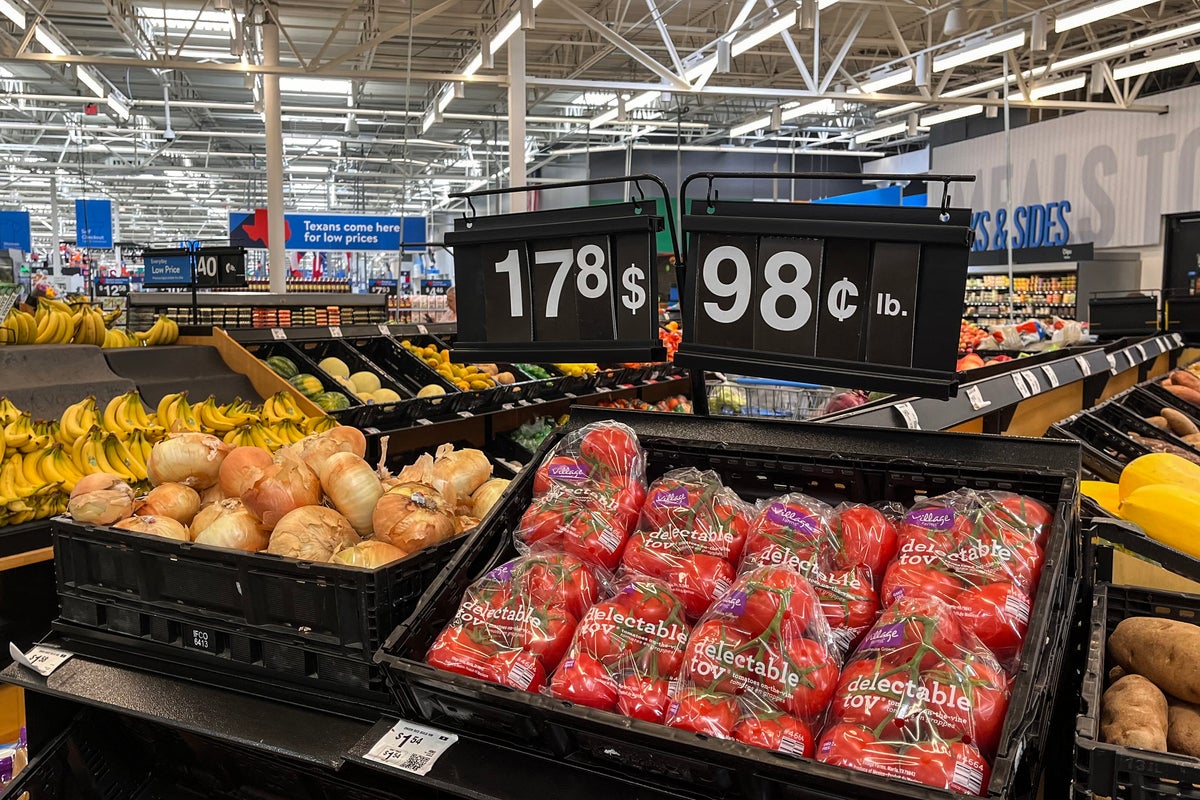
Root vegetables follow closely behind. Carrots and radishes sit in direct contact with contaminated soil for their entire growth cycle. Because these plants store energy in their roots, they also store the chemical baggage that comes with that energy. Then there are the "wet" fruits. Strawberries, tomatoes, and peaches have high water content. Since PFAS travels via water, these items essentially act as biological reservoirs for the chemicals.
The Regulatory Blind Spot
You might expect the Food and Drug Administration (FDA) to have strict limits on these substances. They don't. While the Environmental Protection Agency (EPA) has recently moved to set aggressive limits for PFAS in drinking water, the food supply remains a regulatory Wild West. There are no federal "maximum contaminant levels" for PFAS in a head of broccoli or a bushel of peppers.
The industry argues that the levels found in individual servings are "low." This is a fundamental misunderstanding of the "forever" part of the equation. PFAS are bio-accumulative. They have a half-life in the human body that spans years. A "low" dose in your morning smoothie, combined with a "low" dose in your lunch salad and your evening side of asparagus, builds a steady internal burden. We are participating in a massive, uncontrolled longitudinal study where the participants are the entire population.
The Business of Secrecy
The chemical industry has known about the mobility of these substances for a long time. Internal documents from major manufacturers, uncovered in various litigations, show that as early as the 1980s, there was an understanding that these compounds did not stay put. They migrated. They traveled through air and water.
From a business perspective, admitting the scale of the agricultural contamination is a nightmare scenario. It threatens the valuation of farmland and the stability of the global supply chain. If a major agricultural state like California or Florida were to conduct comprehensive soil testing and find widespread PFAS contamination, the economic fallout would be catastrophic. It is far easier, and more profitable, to maintain the status quo of infrequent, limited testing.
We see this play out in how "new" PFAS are handled. As PFOA and PFOS were phased out due to public pressure, the industry introduced "GenX" and other short-chain PFAS. They claimed these were safer because they didn't stay in the body as long. What they failed to mention is that these shorter molecules are actually more mobile in the environment. They move through soil and into plants even more easily than their predecessors. We traded one devil for a more agile one.
The Mirage of Washing and Peeling
There is a common misconception that a vigorous scrub with a specialized produce wash or a vinegar soak can mitigate the risk. This is false. Because the PFAS are integrated into the plant's internal water transport system, the chemicals are inside the cells. You cannot wash away the interior of a grape.
Peeling offers a marginal reduction in risk for certain root vegetables, as the highest concentration is often found in the outer skin that touches the soil. But for fruits like berries or leafy greens, there is no physical way to separate the food from the contaminant.
This leaves the consumer in a defensive crouch. If the government isn't testing and the industry isn't talking, how do you eat? The current advice from toxicologists is frustratingly vague: diversify your diet. By rotating the types of produce you eat and the regions they come from, you theoretically lower the chance of consistent exposure from a single contaminated source. It is a strategy of statistical probability rather than actual safety.
The Failure of the "Safe Dose"
The most dangerous lie in environmental health is the concept of the "safe dose" for a persistent bio-accumulator. Modern toxicology is built on the 16th-century principle that "the dose makes the poison." This works for substances the body can process and excrete, like alcohol or caffeine. It fails completely for PFAS.
When a substance stays in your blood for three to seven years, every new exposure is an addition to an existing pile. It is like filling a bathtub with a clogged drain. Even a slow drip will eventually cause a flood. For children, whose developing bodies are more sensitive to hormonal disruptions, the "safe dose" may effectively be zero.
The Path Forward is Not Individual
Fixing this isn't about buying a better vegetable brush. It requires a fundamental shift in how we handle industrial waste and agricultural inputs. We must stop the application of biosolids on farmland immediately. The convenience of cheap fertilizer is not worth the permanent poisoning of the soil that feeds us.
We also need a "class-based" approach to regulation. Currently, the government regulates PFAS one by one. There are over 12,000 different types of PFAS. If we continue at the current pace of testing and regulating them individually, it will take centuries to address the problem. We must treat the entire category of highly fluorinated chemicals as a single threat.
The grocery store should not be a minefield. Until there is a mandatory, transparent testing regime for agricultural soil and irrigation water, the "healthy" section of the supermarket will continue to carry a silent, synthetic price tag. Check the source of your produce, ask your local farmers about their history with biosolids, and demand that your representatives stop treating the food supply as an industrial dumping ground.