Forcing teenagers to log mandatory volunteer hours before graduation is one of the easiest ways to kill genuine empathy. You hand a student a clipboard at a weekend food drive, sign off on their sheet, and call it civic education. Most walk away checking a box, not finding a calling.
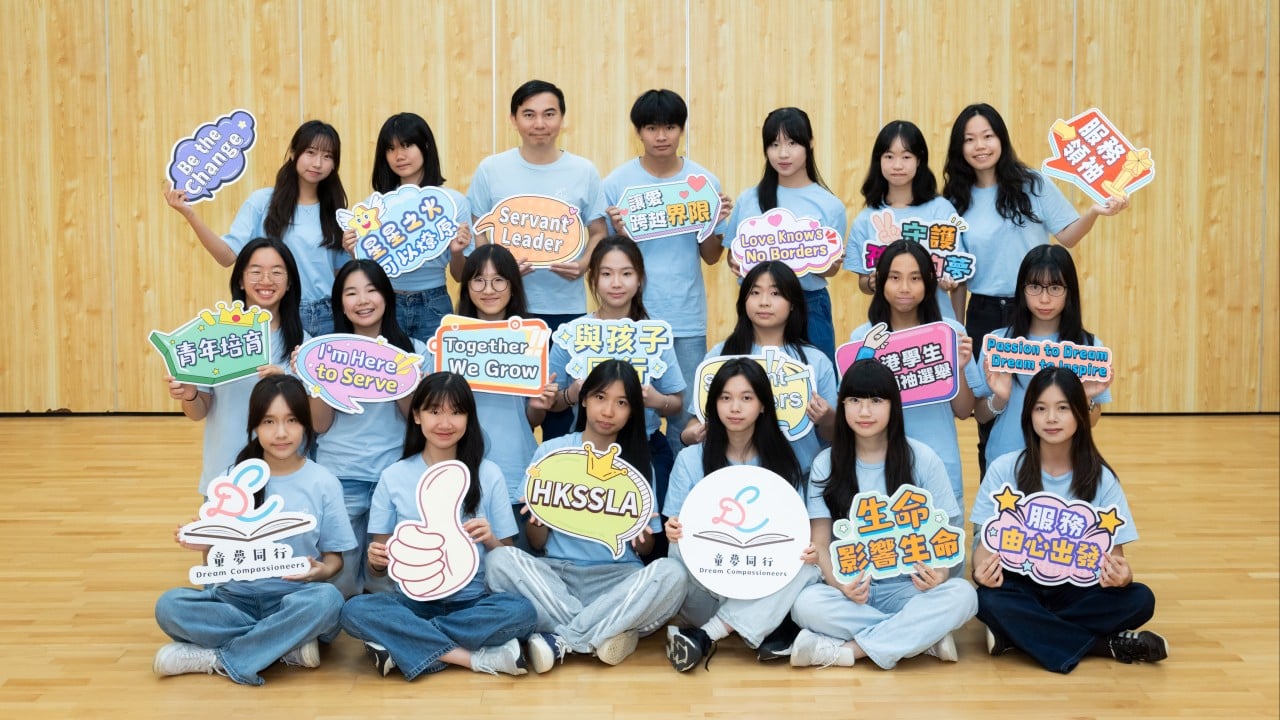
Real purpose hits differently when students show up for children in need through steady, human work rather than one-off photo ops. Look at initiatives like Dream Compassioneers in Hong Kong, led by educator Chan Yik-yeung, where young people step into local and overseas youth service to connect with kids facing tough circumstances. When a student sits across from a struggling kid week after week, the abstract talk of "giving back" turns into real accountability. Suddenly, a student who felt restless or aimless in class realizes their patience, humor, or knack for explaining math actually matters to someone else.
That shift isn't just heartwarming. It's backed by decades of educational and psychological research.
What Actually Happens When Students Help Children in Need
Most people assume student volunteering is a one-way street. The older student brings energy and skills; the younger child gets help. In practice, kids are brutal truth-tellers. If a student shows up distracted or condescending, a six-year-old or ten-year-old will tune them out in seconds.
Research on service-learning and youth volunteering points to several concrete ways this work shapes young people:
- A stronger sense of purpose: Developmental researchers such as Parissa J. Ballard and colleagues have noted that contributing beyond oneself can support adolescent wellbeing by reducing excessive self-focus and strengthening social connectedness.
- Real communication growth: Working with kids forces students to ditch jargon, listen closely, and adjust their tone on the fly. Quiet or anxious students often find their voice when a child needs clear instructions or calm encouragement.
- Sharper perspective on inequality: Meta-analyses on service-learning—including work by Celio and colleagues covering 62 studies and Yorio and colleagues covering 40 studies—show modest but consistent gains in students' understanding of social issues, self-awareness, and civic engagement.
- Practical leadership without corporate buzzwords: Running a reading game, helping a child with homework, or organizing a small group activity teaches timing, boundary-setting, and follow-through far faster than a mock group project.
Still, let's be honest about the limits of the data. Much of the research linking volunteering to student wellbeing is correlational. Students who already care about community issues or have supportive families may be more likely to volunteer in the first place, and small positive effect sizes don't mean volunteering cures depression or replaces mental health care.
Why Mandatory Service Hours Often Backfire
I've seen plenty of well-meaning school programs fail because they treated service like homework. When a school sets a strict hour quota and leaves students to scramble at the last minute, two bad habits take root. First, students chase easy checkboxes instead of building relationships. Second, partner organizations end up spending scarce staff time babysitting unmotivated helpers.
Quality beats quantity every single time. Helping a child with phonics or art for two hours a week over a semester does far more for both sides than spending six hours stacking boxes once and disappearing. When students get real choice in how they help—matching their interests like music, sports, coding, or storytelling to what kids actually need—intrinsic motivation kicks in.
There's also a subtle trap around "savior" mindsets. If a program frames struggling children purely as broken objects to be rescued, students pick up a paternalistic attitude that hurts everyone involved. Better programs treat children as full human beings with real strengths, humor, and agency—and remind students that they're learning alongside the kids, not handing down charity from on high.
Common Mistakes Students and Mentors Make
Even eager students trip over predictable hurdles during their first few weeks with children. Knowing them upfront saves a lot of awkwardness.
- Overpromising and vanishing: Kids who deal with instability at home or school feel inconsistency acutely. If you can't commit to a regular schedule, pick a behind-the-scenes task instead of direct child mentoring.
- Trying to "fix" everything in one afternoon: You can't solve poverty, learning gaps, or family stress in a single session. Focus on being steady, kind, and present for whatever is right in front of you.
- Skipping reflection: Doing the activity is only half the loop. Talking through what felt hard, surprising, or uncomfortable afterward is what turns raw experience into lasting insight.
- Ignoring safety and boundaries: Good organizations have clear rules on supervision, privacy, and physical boundaries. Treat those guardrails as essential, not red tape.
How to Start Without Turning It Into Another Resume Stuffer
College and scholarship applications love leadership and service, and honestly, there's nothing wrong with wanting real-world experience on your CV. The problem starts when resume-building is the only reason you show up. Kids can tell when someone is auditioning for a line on an application versus actually caring whether they learn to read.
If you're a student, parent, or teacher looking to build something real around helping children, start small and keep it grounded.
- Partner with an established youth group first: Look for local schools, libraries, after-school programs, or youth initiatives that already have vetting, child-safeguarding policies, and clear needs.
- Match a specific skill to a real gap: If you love drawing, lead a simple sketch session; if you're patient with numbers, help with basic arithmetic—don't wing complicated lessons without guidance.
- Commit to a short, honest trial: Try a four- to six-week block so you can test whether the fit works for you and the kids before making a long-term pledge.
- Keep a brief post-session note: Jot down three lines after each visit—what went well, what felt tough, and one thing you want to do differently next time.
Purpose rarely arrives like a thunderbolt in a lecture hall. Most of the time, it shows up quietly on a Tuesday afternoon when a kid finally gets a concept or laughs at a joke, and you realize you want to be there again next week.