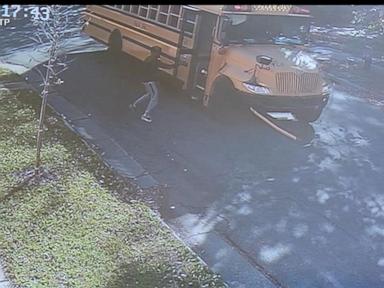
A regional sidewalk in Wangaratta became the scene of a shock that ripples across Australian democracy. Independent federal lawmaker Helen Haines had both legs amputated after a vehicle attack outside her electorate office, and she left hospital in mid-November 2026 to start long-term rehabilitation.
Look at how quickly a routine local constituent setting turned life-altering. Witnesses described a driver ramming Haines against her own car, reversing, and ramming her again before bystanders stepped in to pull the driver from the vehicle and give first aid. Her left leg was amputated first, followed by her right after doctors couldn't save it. Almost a month after the attack, she was discharged from Melbourne's Alfred Hospital and thanked Australians for thousands of messages and a charity appeal that passed A$1.4 million.
Why the Helen Haines Attack Shook Australian Politics
Australians are used to walking past MPs at farmers' markets, local cafes, and regional main streets without heavy guards in the way. That everyday access isn't a luxury extra in regional electorates like Indi. It's how voters hold representatives accountable face to face.
When a sitting lawmaker loses both legs outside a local office, the debate stops being abstract. Political violence in Australia has historically been rare compared to many other democracies, so an attack on a respected regional independent hits a nerve that press releases can't soothe.
Here's where the national conversation split right away:
- Protecting the person: Senior opposition figures like James Paterson argued for a serious review of personal security for parliamentarians, warning that high life-or-death risk will permanently alter who runs for office.
- Protecting open access: Prime Minister Anthony Albanese urged lawmakers to keep engaging openly with communities while security measures are strengthened, calling public interaction central to Australian democracy.
Honestly, both sides have a point, and pretending there's a zero-trade-off fix is naive. Put concrete bollards, locked doors, and plainclothes guards around every regional office, and you can make the building safer while making the MP feel unreachable. Leave the doors wide open with minimal physical barriers, and staff and visitors stay exposed to sudden street-level threats.
What Court Filings and Reports Actually Show
Whenever a high-profile attack happens, rumors fill the gap before court records catch up. Let's stick to what's on the public record right now.
Police charged 43-year-old Brendan Nugent of Tarrawingee with serious offences including intentionally causing serious injury, dangerous driving causing serious injury, and causing harm to a public official, plus separate cannabis-related charges listed in court documents. He appeared in Wangaratta Magistrates' Court without applying for bail or entering a plea and remained in custody ahead of a February court date, with police not publicly disclosing a motive.
In court, Nugent's lawyer Chirag Patel told the magistrate his client had no prior mental health diagnosis despite potential mental health concerns, and pointed to a neurological condition called idiopathic transverse myelitis along with a concussion. That medical detail matters for accuracy, though it doesn't settle legal responsibility or motive on its own. Courts weigh medical evidence, witness accounts, and statutory elements over time—not on opening day.
The Hard Trade-Offs Behind Electorate Office Security
I've watched plenty of public institutions react to a crisis with knee-jerk rules that look good on paper and fail on a Tuesday morning. Electorate offices in regional towns aren't high-security ministries. They're storefronts or ground-floor suites where someone might walk in distressed about a pension delay, a visa hold, or a local road project.
A few practical realities often get missed in quick hot takes:
- Street-level vehicles are tough to stop: Most regional offices sit along normal commercial streets with angle or parallel parking right out front. Retrofitting physical barriers takes local council approval, funding, and design work that doesn't happen overnight.
- Staff carry the daily load: MPs travel to Canberra or across huge electorates. Electorate staff open the mail, answer the door, and handle tense walk-ins week after week.
- Over-fortifying creates distance: If a constituent has to pass through a bunker just to hand over paperwork, trust erodes—especially in rural areas where people already feel distant from capital-city politics.
You don't solve that with one gadget or one press conference. Real risk management means looking at sightlines, car-ramming exposure, panic protocols, staff training, and how quickly police can respond outside major cities.
What Comes Next for Rehabilitation and Public Safety
For Helen Haines, the immediate chapter isn't parliamentary speechmaking. Losing both legs changes daily life, mobility, pain management, and home setup in massive ways, even when spirits are strong. Her decision to direct funds raised through the charitable appeal toward helping children shows how she's channeling public support outward while starting rehab.
Meanwhile, Australian lawmakers and security officials face a test of judgment. Let's see whether parliaments fund targeted, sensible upgrades around high-exposure offices and support for staff without turning local democracy into a locked compound.
If you're following this case or working in public office operations, focus on concrete steps rather than noise:
- Follow official court and police updates: Rely on verified reporting from outlets like CBC News and The Guardian as proceedings move toward February rather than social media speculation.
- Audit physical and entry points: If you manage a public-facing office, check parking proximity to entrances, duress alarms, visitor flow, and staff de-escalation training.
- Keep public debate grounded: Separate verified facts about the charges and medical recovery from broader arguments about political polarization and security policy.